Salads
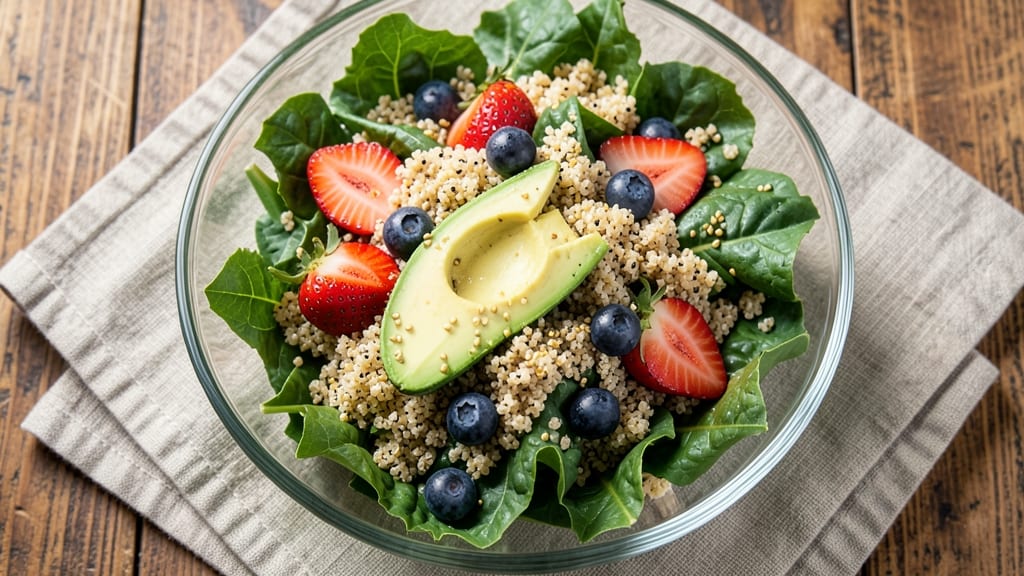
This Byerlys superfood salad recipe transforms simple ingredients into a vibrant, nutrient-packed meal that's ready in just 15 minutes. Inspired by my grandmother's philosophy of "eating the rainbow," this salad combines kale, quinoa, chia seeds, and berries for a powerhouse of flavor and nutrition.
The beauty lies in its simplicity—no fancy techniques required, just fresh ingredients assembled thoughtfully.
The foundation of this salad is a base of crisp massaged kale, which softens just enough to make it palatable while retaining its vibrant green color. Cooked quinoa adds a satisfying chew and protein boost, while chia seeds provide omega-3s and a delightful crunch.
Sweet berries—like strawberries or blueberries—bring natural sweetness that balances the earthy flavors perfectly. The dressing, made with lemon juice and olive oil, ties everything together with a bright, refreshing finish.
What makes this salad truly special is how it delivers restaurant-quality nutrition without the effort. Each bite offers a perfect balance of textures—creamy avocado, crunchy seeds, tender greens—and a spectrum of flavors that keep your taste buds engaged.
The health benefits are equally impressive: fiber from the vegetables, plant-based protein from the quinoa, and antioxidants from the berries, all coming together in one satisfying bowl.
Serve this salad as a main dish with a side of whole-grain bread or as a side to complement grilled proteins. The recipe scales easily, making it perfect for meal prep or entertaining.
The key to success is using the freshest ingredients you can find—whether from your local farmers market or your kitchen garden. Let's build this nutrient-packed masterpiece together!
Ingredients for byerlys superfood salad
Fresh ingredients meet thoughtful assembly for a vibrant, nutrient-dense salad in record time.
| Ingredient | Amount | Notes |
|---|---|---|
| Baby Kale Leaves 🥬 | 4 cups | Massaged for tenderness |
| Cooked Quinoa 🌾 | 1 cup | Rinsed before cooking |
| Chia Seeds 🌱 | 2 tbsp | Organic, whole seeds |
| Fresh Blueberries 🫐 | ½ cup | Organic preferred |
| Fresh Strawberries 🍓 | ½ cup | Sliced, organic preferred |
| Avocado 🥑 | 1 whole | Ripe, pitted and sliced |
| Extra-Virgin Olive Oil 🫒 | ¼ cup | Cold-pressed, fruity |
| Fresh Lemon Juice 🍋 | 2 tbsp | Organic preferred |
| Raw Walnuts 🌰 | ¼ cup | Chopped, organic preferred |
| Hemp Seeds 🌱 | 1 tbsp | Shelled, for crunch |
| Sea Salt 🧂 | ½ tsp | Fine grain preferred |
| Fresh Cilantro 🌿 | ¼ cup | Chopped, stems removed |
| Maple Syrup 🍁 | 1 tsp | Pure, grade B preferred |
The kale is non-negotiable for texture and nutrition. Organic baby kale from Whole Foods or your local farmers market stays crisp longer, but any vibrant green variety works. Massaging it with olive oil and lemon juice softens the leaves just enough to make it palatable without losing that signature crunch. For quinoa, Trader Joe's pre-cooked packs are a game-changer when you're short on time, but cooking it fresh from scratch yields a better texture. Rinse it thoroughly before cooking to remove any bitterness. The chia seeds should be organic and whole—avoid pre-ground versions, as they lose their nutritional punch. Store them in a cool, dark place to preserve their omega-3 content.
No blueberries? Raspberries or blackberries work equally well, though they'll stain your salad more dramatically. Strawberries can be swapped for sliced kiwi or mango if you prefer tropical flavors. Avocado is the creamy anchor here—choose ones that yield slightly to gentle pressure. If you can't find organic, conventional is fine, but wash the skin thoroughly. For the dressing, extra-virgin olive oil is essential—look for bottles labeled "cold-pressed" and "first cold press" for maximum flavor. The lemon juice should be freshly squeezed; bottled versions lack the bright acidity needed to cut through the richness of the avocado. Walnuts can be substituted with pecans or almonds, though walnuts provide a more robust crunch. If hemp seeds are unavailable, sunflower seeds offer a similar texture.
This salad thrives on freshness, so assemble it just before serving. The avocado and berries should be added last to prevent browning. Store any prepped components separately in airtight containers for up to 3 days—keep the dressing separate until ready to toss. The quinoa and greens can be prepped ahead and stored in the fridge, while the avocado and berries are best added fresh. For meal prep, portion the salad into individual containers with the dressing on the side. The flavors actually improve after a night in the fridge as the ingredients meld together. If you're serving a crowd, double the recipe—this salad scales beautifully and remains vibrant even when multiplied.
Why You'll Love This Recipe
- No-Chop Necessary: I swear by this trick—just tear the baby kale by hand (no knife required) and toss it straight in. The quinoa’s already cooked, so all I’m doing is mixing, sprinkling chia seeds, and popping in those juicy blueberries and strawberries. Five minutes tops, and I’m not kidding.
- Sweet-Savory Magic: That chia seed crunch against the bright strawberries and tart blueberries? It’s like a flavor party in your mouth. The kale adds a subtle earthiness that ties it all together—honestly, I’ve never met a salad that balances sweet and nutty this well.
- Weeknight Workhorse: Make a big batch on Sunday, and you’ve got lunch for days. Pack it in jars, grab it for picnics, or serve it at book club—it’s the kind of dish that works everywhere. Even my picky-eating teen asks for seconds (and that’s saying something).
- Budget Superstar: Quinoa and kale bulk up the volume, chia seeds stretch the nutrition, and seasonal berries keep costs low. I’ve made this for under $8 per serving, and it still feels like a fancy dish. Leftovers? They taste just as good cold the next day.
Step-by-step instructions for Byerlys superfood salad
Assemble this nutrient-packed salad with precision for balanced texture and vibrant flavor.
Prepare the Base with Massaged Kale and Quinoa
In a large mixing bowl, combine the 4 cups baby kale leaves and 1 cup cooked quinoa. Using your clean hands, gently massage the kale with a pinch of the 0.5 teaspoon sea salt for 1-2 minutes until it softens and releases its natural juices. This process removes bitterness and creates a tender base that absorbs flavors better. The kale should transform from crisp to pliable, with a slightly wilted appearance—this indicates proper massaging.
Set aside the massaged kale-quinoa mixture while you prepare the remaining components. The quinoa should be at room temperature for optimal texture integration. If it's still warm from cooking, let it cool completely before combining—this prevents the salad from becoming soggy later in the assembly process.
Create the Dressing with Olive Oil and Citrus
In a small bowl, whisk together the 0.25 cup extra-virgin olive oil, 2 tablespoons fresh lemon juice, 1 teaspoon maple syrup, and the remaining 0.25 teaspoon sea salt until fully emulsified. The dressing should have a smooth, velvety consistency with no visible separation. Taste and adjust the balance—if it's too sweet, add a pinch more salt; if too tart, add a tiny splash of maple syrup.
This citrus-infused dressing serves dual purposes: it binds the salad components while providing a bright contrast to the earthy quinoa and rich avocado. The maple syrup adds subtle depth without overpowering the fresh flavors. Keep this dressing separate until you're ready to toss everything together—this prevents the kale from becoming overly saturated before serving.
Assemble the Fruit and Nut Toppings
In a separate medium bowl, combine the 0.5 cup fresh blueberries, 0.5 cup sliced fresh strawberries, 0.25 cup chopped raw walnuts, 1 tablespoon hemp seeds, and 0.25 cup chopped fresh cilantro. Gently toss these ingredients together just until the walnuts and hemp seeds are evenly distributed. The berries should remain mostly intact while the strawberries maintain their natural shape—overmixing would release excess liquid that could dilute the salad.
This fruit-nut mixture provides the perfect textural contrast: the crisp walnuts and hemp seeds add crunch, while the juicy berries and tender strawberries contribute moisture. The cilantro brings a fresh, herbaceous note that complements all the other components. Keep this mixture separate until the final assembly to maintain optimal texture.
Combine All Components with the Dressing
Add the prepared fruit-nut mixture to the massaged kale-quinoa base in the large mixing bowl. Using a large spoon or your hands, gently fold everything together just until combined. Add the prepared dressing in a slow, steady stream while continuing to fold—this allows the dressing to evenly coat each component without making the salad soggy. The ideal ratio is about 2 tablespoons of dressing per serving, so don't over-dress initially.
At this stage, the salad should have a vibrant mix of colors with visible texture variations. The kale should appear wilted but not mushy, the quinoa should be distinct, and the fruit should retain its shape. If the salad seems too dry, add an additional 1 tablespoon of dressing and toss again. The final texture should be balanced—neither wet nor dry—with each bite offering a mix of textures and flavors.
Final Adjustments and Serving
Taste the salad and make any final adjustments. If it needs more brightness, add a splash of additional lemon juice. For extra richness, incorporate 1-2 thin slices of avocado directly before serving. The avocado should be added last to prevent browning from oxidation.
Serve immediately while the components maintain their optimal texture contrast. For best presentation, divide the salad among plates and garnish each serving with a few additional blueberries, walnut halves, and a sprinkle of cilantro. This salad keeps well for 2-3 hours at room temperature, though the avocado will soften over time—best enjoyed fresh from assembly.
Pro Tips For Making Byerlys Superfood Salad
- Massage the Kale: Tear the baby kale leaves into bite-sized pieces first, then rub them between your palms with a pinch of salt and olive oil for 30 seconds. This softens the tougher stems and makes the salad actually enjoyable—not just a chewy mouthful. (Yes, even if you’re impatient like me.)
- Soak Chia Early: Mix chia seeds with 3 times their volume in water the night before and let them sit. Stir once to prevent clumping, then drain before adding to the salad. Freshly soaked chia turns into a gummy mess—this guarantees a pleasant, gel-like texture that binds everything together.
- Halve Strawberries First: Cut strawberries in half before tossing them with the rest—this prevents them from sinking to the bottom like rocks and getting lost in the quinoa. A quick knife swipe saves you from picking them out later and keeps the salad looking cohesive.
- Chill the Quinoa: Spread cooked quinoa on a tray and refrigerate for 20 minutes before assembling the salad. Cold quinoa holds its shape better, soaks up dressing more evenly, and stops the whole dish from feeling warm and limp. (I learned this the hard way after serving a sad, mushy bowl.)
Common mistakes when making this recipe
Over-Massaging Kale
I've made this mistake more times than I'd like to admit—massaging the kale until it turns into a sad, mushy pile. The goal is tender but still vibrant leaves, not a pile of wilted green sludge. Massage for just 1-2 minutes with your hands, using gentle pressure.
You'll know it's perfect when the leaves soften but still hold their shape. Overdoing it releases too much moisture, making your salad soggy and losing that beautiful crunch. 🥬
Skipping the Quinoa Rinse
Unrinsed quinoa can taste bitter and gritty, completely ruining the delicate flavor profile of this salad. Always rinse 1 cup quinoa under cold water before cooking to remove any residual bitterness.
I learned this the hard way when I used unrinsed quinoa from a bulk bin—my salad ended up tasting like dirt. Use a fine-mesh strainer and rinse until the water runs clear. Trust me, your taste buds will thank you. 🌾
Adding Avocado Too Early
Avocado is the creamy star of this salad, but adding it too soon leads to browning and a mushy texture. Always add 1 whole avocado (sliced) right before serving. The lemon juice in the dressing helps preserve color, but nothing beats fresh avocado.
I once prepped this salad ahead of time and came back to find my beautiful green avocado slices turning brown—heartbreaking! Keep the avocado separate until the final moment for that perfect creamy bite. 🥑
Using Bottled Lemon Juice
Bottled lemon juice lacks the bright, fresh acidity that makes this salad sing. The flavor difference is night and day! Always use freshly squeezed lemon juice for that vibrant zing. I keep a small citrus reamer in my drawer for quick juice extraction.
If you must use bottled, look for brands that specify "fresh-squeezed" on the label, but nothing compares to the real thing. Your salad will taste flat and dull with bottled juice. 🍋
Over-Dressing the Salad
I've seen salads ruined by too much dressing—turning them into a soggy mess. The key is to dress just before serving and use about 2 tablespoons per serving. Start with less and add more if needed.
I like to toss the dressing with the greens and quinoa first, then add the fruit and nuts separately to maintain texture. Too much dressing makes the salad limp and loses that beautiful crunch we worked so hard to achieve. 💧
Ignoring the Dressing Ratio
The dressing should be balanced—2 tablespoons lemon juice to 0.25 cup olive oil with just a touch of maple syrup. Too much sweetness or acidity throws off the entire flavor profile. Taste as you go!
I once made a batch where I doubled the maple syrup by accident, and the salad tasted cloyingly sweet. Always adjust to your preference, but start with the recipe's measurements as a guide. The dressing should enhance, not overpower, the other flavors. 🍯
Nutrition facts
Frequently asked questions
Can I make this salad ahead of time?
Prep the kale, quinoa, and dressing separately up to 3 days ahead. Store them in airtight containers in the fridge. Keep the avocado and berries separate until serving to preserve texture and color. When ready to eat, simply toss everything together with the dressing. The flavors actually meld better after a night in the fridge!
What if I can't find quinoa?
No problem! Swap it for cooked farro, brown rice, or buckwheat for similar texture and nutrition. Farro adds a slightly nutty flavor that pairs beautifully with the berries. Just ensure your substitute is cooked and cooled completely before mixing. The key is maintaining that hearty, chewy base.
How do I make this salad more protein-packed?
Add ½ cup cooked lentils or ¼ cup pumpkin seeds for extra plant-based protein. For a creamy boost, fold in ¼ cup hummus or top with 2 tablespoons tahini drizzle. These additions keep the salad satisfying while adding nutrients. The salad already contains protein from quinoa and hemp seeds, but these extras take it to the next level.
Is this salad kid-friendly?
With some adjustments, absolutely! Skip the chia seeds (they can be too fibrous) and reduce the kale to 2 cups. Add ½ cup diced mango or banana slices for natural sweetness kids love. Let them assemble their own bowls—it makes healthy eating fun! The berries and avocado will likely be crowd-pleasers.
Can I use this salad as a meal prep lunch?
Perfect for meal prep! Assemble the salad without dressing and store components separately in airtight containers for 4-5 days. When ready to eat, add fresh avocado, a squeeze of lemon juice, and a drizzle of olive oil. The massaged kale holds up well, and the quinoa stays hearty. Pack individual portions with a small container of dressing for easy tossing. It's a great way to get fresh, nutritious lunches all week!