
Salads
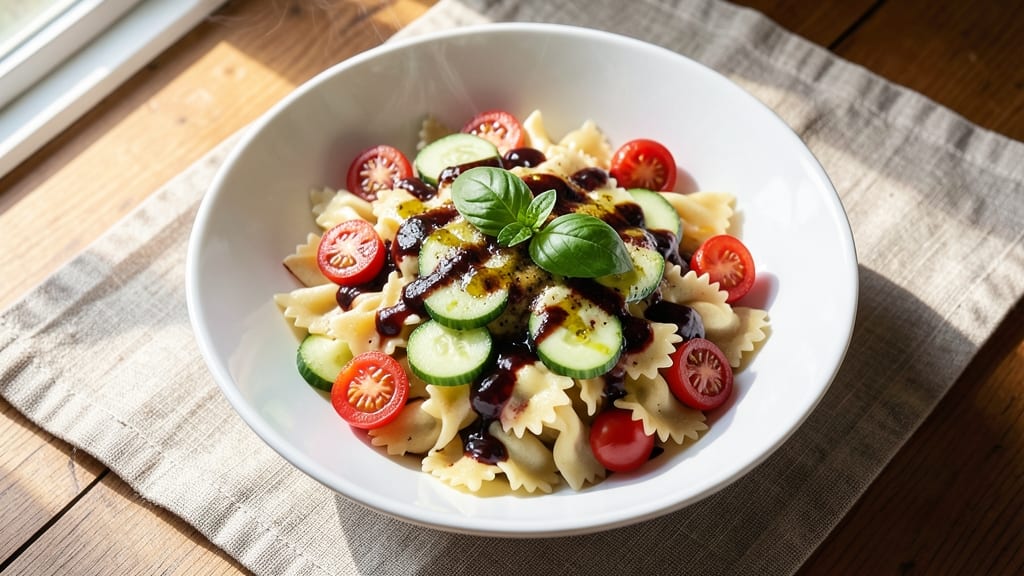
This balsamic vinaigrette pasta salad transforms simple ingredients into a restaurant-worthy dish with just 20 minutes of prep. The tangy-sweet dressing elevates ordinary pasta, creating a balanced salad that's perfect for meal prep or summer gatherings.
I developed this recipe after realizing how often store-bought dressings fell short—this version delivers bright acidity and deep flavor without overpowering the fresh vegetables.
The foundation starts with al dente pasta, tossed with a balsamic vinaigrette made from high-quality olive oil, aged balsamic vinegar, and Dijon mustard. Fresh cherry tomatoes, crisp cucumbers, and peppery arugula add vibrant textures, while crumbled feta and toasted pine nuts contribute depth.
The dressing isn't just poured on top—it's emulsified into the warm pasta while still hot, ensuring every bite is perfectly coated with that signature tangy richness.
What makes this pasta salad truly special is its versatility. Serve it chilled as a light lunch, packed for work, or alongside grilled proteins for a complete meal. The dressing's balance of sweet and acidic notes complements both delicate greens and heartier ingredients like grilled chicken or white beans.
Each forkful delivers a satisfying mix of textures—creamy pasta, crisp vegetables, and the slight crunch of toasted nuts.
This recipe scales effortlessly for crowds while maintaining its fresh, bite-sized appeal. The key to success lies in timing—letting the dressing marinate the vegetables for 15 minutes before combining everything ensures maximum flavor absorption.
Whether you're preparing for a picnic or simply craving a satisfying salad, this dish delivers restaurant-quality results with minimal effort. Let's get started!
Ingredients for balsamic vinaigrette pasta salad
Restaurant-quality pasta salad starts with these fresh, high-quality ingredients designed to balance tangy depth with vibrant textures.
| Ingredient | Amount | Notes |
|---|---|---|
| Short Pasta (e.g., Farfalle or Penne) 🍝 | 12 oz | Al dente cooking essential |
| Extra-Virgin Olive Oil 🫒 | ½ cup | High-quality, fruity variety |
| Aged Balsamic Vinegar 🍷 | ¼ cup | 12+ years aged preferred |
| Dijon Mustard 🌶️ | 1 tbsp | Mild or strong according to taste |
| Fresh Cherry Tomatoes 🍅 | 1 ½ cups | Halved, vine-ripened preferred |
| Persian Cucumbers 🥒 | 1 whole | Thinly sliced, seeds removed |
| Baby Arugula 🌿 | 3 cups | Peppery, fresh, and crisp |
| Crumbled Feta Cheese 🧀 | ½ cup | Salty, aged feta preferred |
| Toasted Pine Nuts 🥜 | ¼ cup | Lightly browned for crunch |
| Garlic Cloves 🧄 | 2 cloves | Minced, fresh preferred |
| Fresh Lemon Juice 🍋 | 1 tbsp | Brightens the dressing |
| Diamond Crystal Kosher Salt 🧂 | 1 tsp | Fine grain for even seasoning |
| Freshly Ground Black Pepper 🌶️ | ½ tsp | Cracked peppercorns preferred |
| White Wine Vinegar 🍷 | 1 tbsp | Balances sweetness in dressing |
The foundation of this salad lies in its dressing components. Extra-virgin olive oil should have a peppery finish and fruity notes—California Avocado Ranch or Colavita are excellent choices. For the aged balsamic vinegar, 12-year or older delivers that rich, caramelized depth without overpowering. The Dijon mustard acts as an emulsifier, so don't skip it—Maille or Grey Poupon both work perfectly. Fresh garlic and lemon juice are non-negotiable; they prevent the dressing from becoming cloyingly sweet. The pasta must be al dente—undercooked pasta turns mushy when tossed with dressing, while overcooked pasta loses its bite.
No aged balsamic vinegar? White balsamic vinegar plus 1 tbsp honey creates a decent substitute, though it lacks complexity. Fresh cherry tomatoes unavailable? Grape tomatoes or heirloom varieties work equally well, but avoid seedless types—they lack flavor. The feta should be crumbled by hand for maximum saltiness; pre-shredded feta contains anti-caking agents that make it taste bland. Pine nuts expensive? Toasted walnuts or pecans provide a similar crunch, though with a different flavor profile. For the arugula, organic varieties tend to be more tender and less bitter than conventional. If your arugula has yellowing leaves, trim them off—they'll turn the dressing bitter.
This salad maintains peak freshness for 3 days when stored in an airtight container in the refrigerator. The dressing separates slightly after chilling, so give it a gentle stir before serving. For meal prep, store the dressing and vegetables separately until just before serving to maintain crispness. The toasted pine nuts and feta can be added fresh after reheating. Freezing isn't recommended—the textures become unappealing. For best results, assemble the salad no more than 4 hours before serving to allow flavors to meld without compromising texture. The dressing can be made up to 5 days in advance and stored separately.
Why You'll Love This Recipe
- No-Fuss Assembly: I swear by this recipe because it’s the kind of meal that doesn’t demand perfection—just toss cooked pasta with halved cherry tomatoes, a quick whisk of olive oil, balsamic, and Dijon, and let it sit. The tomatoes soften just enough to burst with sweetness, while the balsamic’s tang cuts through the richness. Honestly, I’ve made it with cold pasta straight from the pot, and it still comes out vibrant.
- Tangy-Sweet Magic: That aged balsamic vinegar is the star—thick, syrupy, and packed with depth. When it glides over the pasta, it’s like a little flavor explosion: bright, rich, and just sweet enough to make your taste buds sit up. The Dijon mustard ties it all together with a subtle kick, so it’s never one-note.
- Picnic-Proof Perfection: This salad holds up like a champ—whether you’re packing it for a beach day, a backyard BBQ, or a last-minute potluck. The pasta stays al dente (if you cook it right), the tomatoes stay plump, and the dressing clings instead of pooling. Between us, it’s the only pasta salad I trust to survive a car ride without turning into mush.
- Budget-Friendly Leftovers: Penne and cherry tomatoes are cheap, and this recipe stretches easily for four servings. I’ll make a big batch on Sunday, and it’s still delicious by Wednesday—especially when I toss in whatever veggies I have left (spinach, cucumbers, even leftover grilled chicken). No waste, no stress, just reliable flavor.
Step-by-step instructions for balsamic vinaigrette pasta salad
A perfectly balanced salad requires precise technique and fresh ingredients. Here's how to assemble it with restaurant-quality results.
Cook the Pasta to Al Dente Perfection
Bring a large pot of well-salted water to a rolling boil using 12 ounces of short pasta like farfalle or penne. The water should taste like the sea—this ensures proper seasoning throughout. Cook the pasta for 1 minute less than the package instructions specify, as it will continue cooking slightly when tossed with the dressing. Test for doneness by tasting a piece—it should offer a slight resistance but still feel tender.
Once cooked, drain the pasta immediately and rinse under cold water for 10 seconds to halt cooking. Toss with 1 tablespoon of the extra-virgin olive oil to prevent sticking and create a silky texture. This step is crucial for maintaining the pasta's bite while preventing a gummy texture in the final salad.
Prepare the Balsamic Vinaigrette Dressing
In a small bowl, whisk together 0.5 cup of the extra-virgin olive oil, 0.25 cup of aged balsamic vinegar, 1 tablespoon of Dijon mustard, 1 tablespoon of white wine vinegar, 1 tablespoon of fresh lemon juice, 1 teaspoon of Diamond Crystal kosher salt, and 0.5 teaspoon of freshly ground black pepper. The mixture should emulsify into a smooth, glossy dressing with a balance of sweetness and acidity.
Add 2 cloves of minced garlic and whisk again until fully incorporated. Taste and adjust seasoning—you may need a pinch more salt or lemon juice to achieve the perfect tang. This dressing is the heart of your pasta salad, so don't rush the emulsification. The emulsion should hold its consistency even after sitting for a few minutes.
Assemble the Fresh Vegetable Components
Halve 1.5 cups of fresh cherry tomatoes and thinly slice 1 whole Persian cucumber, removing the seeds to prevent a watery salad. Place them in a large mixing bowl and gently toss with 1 tablespoon of the dressing to lightly coat. This pre-tossing prevents the vegetables from becoming soggy when combined with the pasta.
Add 3 cups of baby arugula and 0.5 cup of crumbled feta cheese to the bowl. The arugula should be fresh and crisp, while the feta should be aged for optimal saltiness. Gently fold everything together, being careful not to bruise the delicate greens. The feta will add a briny contrast that balances the sweetness of the tomatoes and cucumbers.
Combine All Ingredients for Maximum Flavor
Add the cooked pasta to the vegetable mixture and pour the remaining dressing over top. Toss everything together gently but thoroughly, ensuring each strand of pasta is coated in the dressing and vegetables are evenly distributed. The salad should look vibrant with pops of red, green, and white throughout.
Sprinkle 0.25 cup of toasted pine nuts over the top just before serving. The pine nuts should be lightly toasted to enhance their nutty flavor and provide a satisfying crunch. Let the salad sit for 5 minutes before serving to allow the flavors to meld and the dressing to fully penetrate the pasta and vegetables.
Serve Immediately for Optimal Texture
Transfer the pasta salad to a serving platter and garnish with an additional sprinkle of freshly ground black pepper and a drizzle of aged balsamic vinegar for visual appeal. Serve immediately while the arugula remains crisp and the pine nuts retain their crunch. This salad is best enjoyed fresh, as the textures and flavors will begin to soften after 30 minutes. The balance of tangy dressing, fresh vegetables, and creamy feta creates a harmonious bite that's both refreshing and satisfying.
Pro Tips For Making Balsamic Vinaigrette Pasta Salad
- Toss Pasta Warm: I learned this the hard way—cold pasta turns mushy when mixed with dressing. Drain your pasta, give it a quick rinse under cool water (just 10 seconds to stop cooking), then toss it with a splash of olive oil while still warm. The heat helps the dressing cling better, and the texture stays firm.
- Halve the Tomatoes: Whole cherry tomatoes? They’ll turn to mush and make the salad watery. Cut them in half first, then nestle them into the pasta—skin-side down so they hold shape. If you’re lazy, blanch them for 30 seconds in boiling water first, but halving is the real game-changer.
- Whisk the Dressing Right: Stirring the balsamic and mustard with a fork leaves lumps. Use a whisk and add the vinegar slowly while stirring constantly—this emulsifies the oil better and keeps the dressing silky. If it breaks, just whisk in another teaspoon of warm water to fix it.
- Salt the Pasta Water Hard: Under-seasoned pasta water = bland salad. Taste the cooking water before draining—it should be slightly salty, like the sea. If it’s not, add another pinch of salt. The pasta will absorb flavor as it cooks, and that carries through to the final dish. (Yes, even if you’re using salted pasta.)
Make-ahead tips for this recipe
Prep Ahead Strategy
I recommend assembling this pasta salad no more than 4 hours before serving to maintain crispness. The dressing can be made up to 5 days in advance and stored separately in an airtight container—this prevents soggy vegetables.
Keep the vegetables and pasta separate until just before combining to preserve texture. 🥗
Storage Containers
Use glass airtight containers (like Pyrex) for best results—they maintain freshness longer than plastic. For meal prep, divide the salad into 2-quart portions to make reheating easier. Store the toasted pine nuts and feta separately and add them fresh before serving to prevent moisture loss.
Reheating Tips
If you need to reheat, transfer the salad to a microwave-safe bowl and heat on low power (50%) for 1-2 minutes. Add 1 tablespoon of water to prevent drying.
For stovetop reheating, place the salad in a skillet over low heat for 3-4 minutes, stirring occasionally. Always add fresh arugula after reheating to maintain crispness.
Freezing Limitations
This pasta salad doesn't freeze well—the arugula and tomatoes become mushy, and the dressing separates. Instead, freeze the dressing separately for up to 3 months and store the pasta and vegetables separately in the fridge. Reassemble when ready to serve. ❄️
Portion Control
For individual servings, divide the salad into 1-cup portions in small containers. Each serving contains about 350 calories and 12g of protein, making it perfect for lunchboxes or work lunches. Label containers with dates to track freshness—this salad stays best for 3 days when properly stored.
Make-Ahead Timeline
Here's my ideal prep timeline: Cook the pasta and make the dressing 1 day ahead, store separately. The morning of serving, toss the vegetables with 1 tablespoon of dressing, then combine everything 2-3 hours before eating.
This ensures maximum flavor without sacrificing texture. The pine nuts and feta go on last minute for that fresh crunch. 💡
Nutrition facts
Frequently asked questions
Can I use this pasta salad for meal prep?
This recipe is perfect for meal prep, but timing is key. Store the dressing separately for up to 5 days and keep the pasta and vegetables in separate containers until ready to assemble. Combine everything 2-3 hours before eating to maintain crispness, and add pine nuts and feta fresh before serving.
What pasta shapes work best for this recipe?
Short pasta shapes like farfalle, penne, or fusilli work best because they hold the dressing well and create bite-sized pieces. Avoid long, thin noodles—they can become mushy when tossed with the dressing. For extra texture, try whole wheat or chickpea pasta for added protein.
How can I make this salad more protein-packed?
Add grilled chicken breast, chickpeas, or white beans for extra protein. For a vegetarian option, toss in 1 cup of cooked quinoa or ½ cup of crumbled goat cheese. The salad already contains 12g of protein per serving from the feta and pasta, so these additions will boost it further.
Why does my dressing separate after chilling?
This happens when the emulsion breaks, usually due to too much acid or insufficient emulsifiers. Whisk the dressing vigorously before adding it to the warm pasta—this helps bind the ingredients. If it separates later, give it a quick stir or add 1 tsp of Dijon mustard to help re-emulsify.
Can I make this salad without feta cheese?
Yes! For a dairy-free version, swap the feta with ½ cup of marinated artichoke hearts or ¼ cup of vegan feta crumbles. To maintain saltiness, add ½ tsp extra salt to the dressing. The tangy dressing will still complement the fresh vegetables beautifully.