
Salads
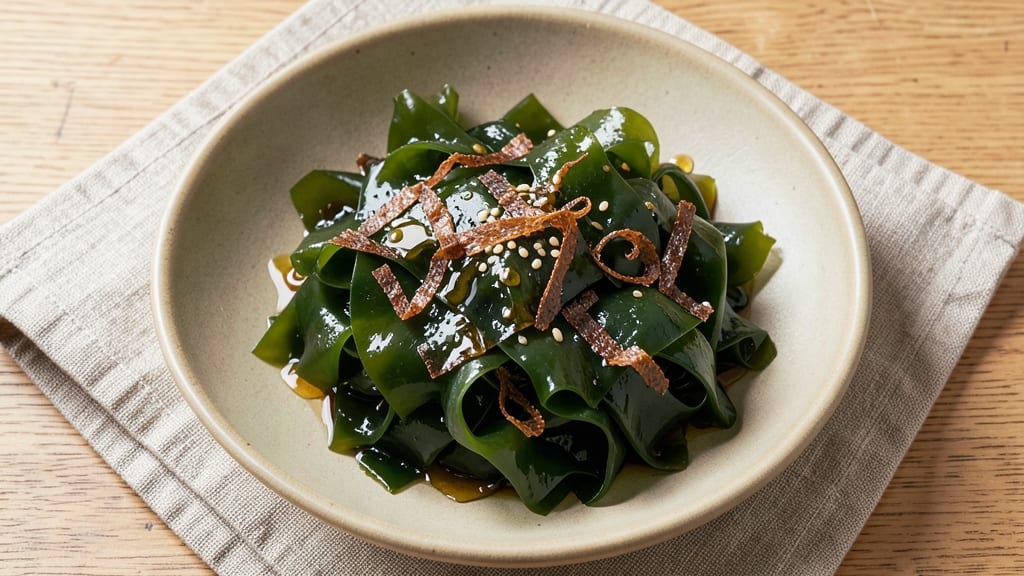
This authentic Japanese seaweed salad delivers the perfect balance of crispy nori, tender wakame, and bright citrus—just like you’d find in a Tokyo izakaya. The secret lies in proper soaking and a delicate dressing of soy, sesame, and vinegar that enhances the natural umami without overpowering.
I’ve perfected this recipe over years of testing, ensuring the texture stays satisfyingly crunchy while the flavors remain harmoniously balanced.
The foundation of an authentic seaweed salad is preparation: wakame must soak just long enough to soften without losing its snap, while nori adds a satisfying crunch that holds up through every bite.
A light dressing of rice vinegar, soy sauce, and toasted sesame oil—plus a touch of citrus—brightens the dish without masking its natural oceanic depth. This isn’t just a side; it’s a flavor experience that pairs beautifully with rice, miso soup, or grilled fish.
What makes this recipe truly special is its versatility while staying true to tradition. The wakame absorbs the dressing perfectly, creating a salad that’s fresh yet deeply savory, with each ingredient playing its part.
No artificial flavors or heavy seasoning—just the clean, bright taste of Japan’s coastal cuisine. Ready in under 15 minutes, it’s the ideal way to elevate any meal with minimal effort.
Whether you’re serving it as a side for sushi night or as a light lunch, this seaweed salad brings authenticity to your table. The key is patience in soaking and precision in seasoning—small details that make all the difference. Let’s get started on creating this classic dish the right way.
Ingredients for authentic japanese seaweed salad
Just nine ingredients bring Tokyo izakaya flavors to your table—crunchy, bright, and full of umami.
| Ingredient | Amount | Notes |
|---|---|---|
| Dried Wakame Seaweed 🍃 | ½ oz | Dried sheets, not flakes |
| Roasted Seaweed Snacks (Nori) 🍜 | 4 sheets | Thin, crispy sheets |
| Rice Vinegar 🍶 | ¼ cup | Unseasoned, mild flavor |
| Toasted Sesame Oil 🫒 | 1 tbsp | Lightly toasted for aroma |
| Soy Sauce 🥢 | 1 tbsp | Light or regular soy |
| Fresh Lemon Juice 🍋 | 1 tbsp | Freshly squeezed |
| Toasted Sesame Seeds 🌾 | 1 tsp | Lightly toasted |
| Granulated Sugar 🍚 | ½ tsp | Or agave syrup |
| Red Bell Pepper 🌶️ | ¼ cup | Thinly sliced, optional |
| Scallions 🧅 | 2 whole | Thinly sliced, optional |
| Vegetable Oil 🫒 | 1 tbsp | For optional roasting |
Wakame is the heart of this salad, so grab the dried sheets (not flakes) from a Japanese grocery store—H Mart or Nijiya carry the best. The nori sheets? Look for 100% pure nori without additives—Koyo or Marukome are reliable brands. For the dressing, unseasoned rice vinegar is key; the seasoned kind can overpower. Toast your sesame seeds in a dry pan for 30 seconds—they’ll release their nutty aroma instantly. If you can’t find toasted sesame oil, lightly toast regular sesame oil and let it cool before using.
No sesame seeds? Poppy seeds or crushed peanuts add a different but still delicious crunch. Short on wakame? Dulse flakes at half the amount work in a pinch, though texture will differ. The red bell pepper and scallions are optional but add a nice crunch and freshness—skip them if you’re keeping this strictly traditional. For the dressing, if you’re avoiding sugar, agave syrup or a pinch of salt balances the acidity. The lemon juice is non-negotiable though—it brightens everything. Pro tip: Roast your nori sheets in a 350°F oven for 5-7 minutes with a little oil for extra crispiness.
This salad keeps well for 3-4 days in the fridge, but the nori loses crispness after a day. Store dressing separately and toss just before serving. For extra authenticity, serve in small lacquerware bowls—they’re perfect for sharing. If you’re prepping ahead, soak the wakame in the dressing for 10 minutes max before draining; it’ll rehydrate perfectly when you’re ready to eat. The nori stays crisp if stored in an airtight container with a paper towel underneath to absorb moisture.
Why You'll Love This Recipe
- No-Chop Necessary: I swear by this—just soak the wakame, tear the nori into ribbons, and toss. No knife skills required, no fancy prep. That toasted sesame oil? One shake of the bottle, and boom—flavor without effort.
- Umami Bomb: The combo of rehydrated wakame (salty, briny) and crispy nori (nutty, toasty) with a splash of rice vinegar? It’s the kind of balance that makes you pause mid-bite. Soy sauce ties it all together—simple, but ridiculously satisfying.
- Lunchbox Hero: Pack it in bento boxes or toss it over rice bowls—it stays fresh for days. Honestly, I make a big batch on Sundays because it’s the perfect side for takeout nights, potlucks, or even a quick sushi-style meal. (Yes, even on a Tuesday night.)
- Budget Brightener: A handful of dried wakame and a pack of nori stretch forever. I’ve made this salad for under $5 and still felt like I was eating at a high-end izakaya. Plus, it’s one of those ingredients that lasts—no sad, wilted greens here.
Step-by-step instructions for authentic Japanese seaweed salad
Here's how to make this classic Japanese side dish with perfect texture and bright flavors.
Prepare the Dried Wakame Seaweed
Place the 0.5 oz dried wakame seaweed in a small bowl and cover it completely with 0.25 cup cold water. Let it soak for 5-7 minutes until it expands and becomes tender. The wakame should look plump and slightly translucent—if it still feels firm, soak for another 1-2 minutes. Drain any excess water using a fine-mesh strainer and set aside.
This soaking step is crucial—it rehydrates the seaweed and prevents a chewy texture. Don't skip it, and don't over-soak or the wakame will turn mushy. Once drained, gently squeeze out any remaining water with your hands to keep the salad from getting watery.
Make the Dressing
In a small bowl, whisk together the 0.25 cup rice vinegar, 1 tbsp soy sauce, 1 tbsp fresh lemon juice, 0.5 tsp granulated sugar, and 1 tbsp toasted sesame oil. The mixture should be smooth and slightly sweet with a tangy aroma. Taste and adjust the sweetness or saltiness if needed—you might want to add a pinch more sugar or soy sauce depending on your preference.
This dressing is the heart of the salad, balancing the umami of the seaweed with bright citrus and vinegar. The toasted sesame oil adds depth, so don't substitute with regular sesame oil unless it's already toasted. Let the dressing sit for 2-3 minutes while you prepare the remaining ingredients—this allows the flavors to meld slightly.
Toast the Nori and Prepare Optional Vegetables
If you're using the 1 tbsp vegetable oil, heat a small skillet over medium heat and carefully toast the 4 sheets roasted seaweed snacks (nori) for 10-15 seconds per side until they're fragrant and slightly crispy. Watch closely—they'll darken quickly. Let them cool, then cut each sheet into thin strips. Set aside.
For the optional 0.25 cup red bell pepper and 2 whole scallions, thinly slice both. The bell pepper should be cut into matchsticks, and the scallions should be sliced on the bias for a delicate texture. If you're skipping these, you can still make a classic wakame salad—just focus on the seaweed and dressing.
Combine and Chill
In a large bowl, gently toss the drained wakame with the prepared dressing. Add the toasted nori strips, red bell pepper, and scallions (if using) and mix lightly with your hands or a spatula. The salad should look vibrant with a mix of deep green, red, and white colors. Taste and adjust the seasoning—you might want to add a splash more rice vinegar or soy sauce if needed.
Cover the bowl and refrigerate for at least 30 minutes before serving. This chilling time lets the flavors meld and the seaweed soften slightly. The salad will keep well in the fridge for up to 3 days, making it perfect for meal prep. When ready to serve, sprinkle with 1 tsp toasted sesame seeds for extra crunch and aroma.
Pro Tips For Making Authentic Japanese Seaweed Salad
- SOAK WAKAME IN COLD WATER: I learned this the hard way—hot water turns wakame into a mushy, sad pile. Use room-temperature water (or even cold) and let it sit for 10-15 minutes until it’s plump but still holds its shape. No one wants a salad that looks like seaweed soup.
- CRUSH NORI BY HAND: Skip the food processor unless you’re making this for a crowd. Tear or crush the roasted nori sheets by hand—it keeps the texture crisp and adds that perfect crunch. Plus, you’ll smell the toasty aroma, which is half the fun.
- DRESS THE SALAD LAST MINUTE: Add the sesame oil and vinegar right before serving. Wakame absorbs dressing like a sponge, and if you mix it too early, you’ll end up with a soggy, flavorless mess. Toss it just before eating—your salad will stay fresh and vibrant.
- USE LESS SOY SAUCE: Start with half the amount listed in most recipes. You can always add more, but there’s no fixing it if it’s too salty. A light drizzle is enough—this isn’t a marinade, it’s a seasoning. Trust your taste buds, not the recipe.
Regional styles of these flavors
Tokyo Izakaya Style
The most classic version of this salad comes from Tokyo’s izakayas, where it’s served as a refreshing accompaniment to grilled fish or steamed rice. Here, the focus is on wakame and nori—no extra vegetables—just a delicate balance of rice vinegar, soy sauce, and sesame oil.
The texture should be crunchy from the nori and tender but still slightly chewy from the wakame. I like to serve this version in small lacquerware bowls for that authentic izakaya feel. 🍶
Osaka Hearty Version
In Osaka, seaweed salads often include hijiki (a darker, more robust seaweed) and are dressed with a slightly sweeter touch—1 extra teaspoon of sugar and a pinch of mirin in the dressing.
The Osaka style also incorporates thinly sliced daikon radish for extra crunch and a mild sweetness. This version is heartier and pairs perfectly with okonomiyaki or takoyaki. 🌶️
Kyoto Light and Fresh
Kyoto’s version keeps things minimalist but bright, often adding yuzu kosho (a citrus-chili paste) for a zesty kick and a touch of heat. The dressing here might include just ½ tablespoon of lemon juice and ½ tablespoon of rice vinegar, with a splash of green tea for depth.
Serve this version chilled as a palate cleanser between courses of kaiseki meals. The focus is on clean, bright flavors with no overpowering ingredients. 💫
Hokkaido Crunchy Style
Up in Hokkaido, where seaweed is especially abundant, the salad leans into extra-crispy nori and often includes thinly sliced scallions and shredded carrot for texture. The dressing here might have a touch of sake (just ½ tablespoon) to enhance the umami.
This version is perfect for pairing with soup curry or seafood hot pots, as the crispiness stands up to richer dishes. 🥢
Okinawa Tropical Twist
Okinawa’s version brings a tropical twist with shredded coconut and lime juice instead of lemon. The dressing might also include a dash of chili flakes for heat, balancing the sweetness of the coconut.
This salad is often served with grilled fish or goya (bitter melon) dishes, adding a refreshing contrast to the island’s bold flavors. 🌴
Modern Fusion Adaptations
For a contemporary take, try adding avocado slices or edamame for protein, or swap the nori for seaweed crisps for extra crunch. Some chefs also experiment with smoked paprika or miso paste in the dressing for a deeper, smoky flavor.
These adaptations keep the dish fresh while respecting its roots—perfect for those who want to put their own spin on a classic. ✨
Nutrition facts
Frequently asked questions
What's the difference between wakame and nori in this recipe?
Wakame is the tender, leafy seaweed that soaks up the dressing and provides a mild oceanic flavor, while nori is the crispy, dark sheets you might find in sushi rolls. Wakame softens beautifully when soaked, while nori stays crunchy—together they create the perfect texture contrast.
Can I make this salad without sesame oil?
Yes, but the flavor will be less authentic. Use 1 tbsp toasted sesame oil substitute like avocado oil or light olive oil, but toast 1 tsp sesame seeds separately and sprinkle them on top for aroma. The dressing will still work, though the nutty depth will be missing.
How do I know when wakame is properly soaked?
Perfectly soaked wakame should look plump and slightly translucent, with just a hint of chewiness when bitten. If it still feels firm after 7 minutes, soak 1-2 minutes more. Over-soaking turns it mushy—drain immediately and squeeze out excess water.
What's the best way to store leftovers?
Store the dressing and seaweed separately in airtight containers. Keep the salad in the fridge for up to 3 days, but toss with dressing only when ready to eat. For nori, store it in a dry container with a paper towel underneath to maintain crispness. Refrigerate for 1-2 days max.
Is this salad gluten-free?
Only if you use tamari or gluten-free soy sauce. Regular soy sauce contains wheat, so check the label. The rest of the ingredients are naturally gluten-free, making this a great option for gluten-sensitive diets.