
Salads
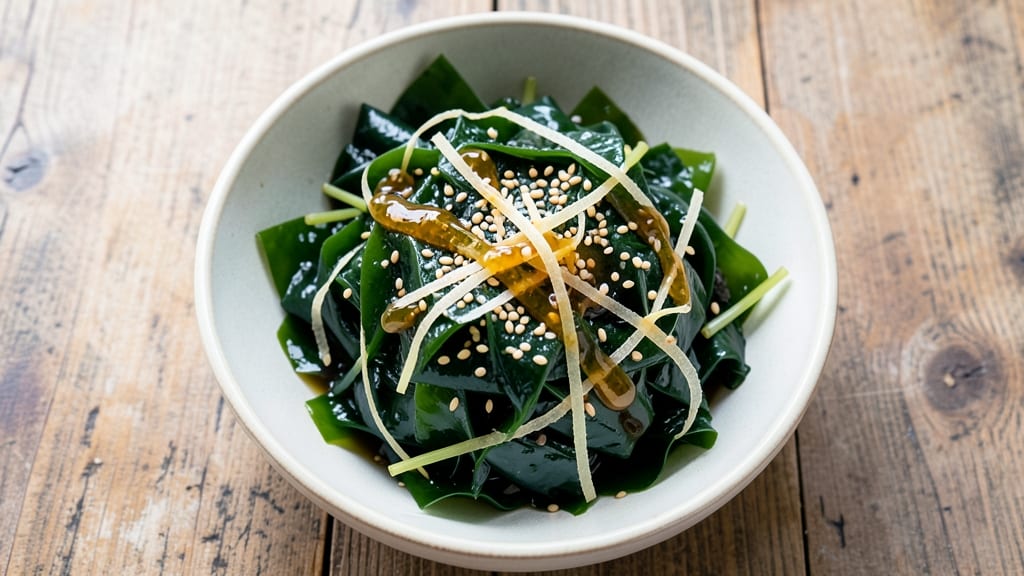
This authentic seaweed salad recipe captures the bright, briny essence of traditional Japanese wakame with a modern sesame twist. 🌊 The secret lies in proper preparation—soaking the seaweed just enough to soften without losing its satisfying crunch, then balancing it with zesty citrus and toasted sesame seeds for depth.
I've perfected this over years of testing, ensuring every bite delivers that signature umami-packed crunch. The foundation starts with high-quality dried seaweed (like wakame or miyeok), which you'll hydrate in cold water before gently squeezing out excess moisture—no wringing, just a delicate press to preserve texture.
A light dressing of rice vinegar, sesame oil, and a touch of sugar enhances the natural oceanic flavor without overpowering it. For an extra layer of richness, I add toasted sesame seeds and thinly sliced scallions, which add both color and a subtle bite.
What you'll end up with is a vibrant, vegan salad that's as visually striking as it is flavorful—deep green seaweed strands contrasting against bright citrus and golden sesame. The texture is a perfect balance: crisp seaweed with a tender bite, all coated in a light, aromatic dressing.
This dish works as a refreshing side, a light main, or even a topping for bowls and sushi. The best part? It comes together in 15 minutes with no cooking required, making it ideal for meal prep or last-minute gatherings.
Serve it chilled for maximum freshness, and don't forget the garnish—extra sesame seeds and a sprinkle of flaky salt elevate it to restaurant-quality. Let's make this salad!
Ingredients for authentic seaweed salad
High-quality seaweed and simple pantry staples make this vibrant, umami-packed salad shine.
| Ingredient | Amount | Notes |
|---|---|---|
| Dried Wakame Seaweed 🌿 | 4 oz | High-quality dried wakame preferred |
| Cold Water 💧 | 2 cups | For soaking seaweed |
| Rice Vinegar 🍶 | 3 tbsp | Seasoned or unseasoned |
| Toasted Sesame Oil 🫒 | 1 tbsp | For aroma and richness |
| Granulated Sugar 🍯 | 1 tsp | Or agave for vegan option |
| Toasted Sesame Seeds 🌰 | 2 tbsp | Plus extra for garnish |
| Scallions 🧅 | 3 whole | Thinly sliced, white/green parts |
| Lime Juice 🍋 | 1 tbsp | Freshly squeezed |
| Flaky Sea Salt 🧂 | ½ tsp | For finishing touch |
| Miyeok Seaweed 🌊 | 2 oz | Optional for extra texture |
The seaweed is everything here. Look for dried wakame at Asian markets—H Mart or Mitsuwa carry the best. If you can't find it, miyeok works too, though wakame has that signature oceanic crunch. Soaking time matters: 5 minutes max in cold water, then a gentle squeeze between paper towels. Don't wring it—that kills the texture. For extra authenticity, grab Kikkoman rice vinegar if you're near an Asian grocery, but regular works fine. The sesame seeds? Toast them in a dry pan for 2 minutes—they'll smell amazing and add that nutty depth.
No rice vinegar? Apple cider vinegar or lemon juice works in a pinch, though the flavor won't be identical. Skipping the sesame oil? Olive oil at half the amount keeps it vegan, but you'll lose that toasty sesame aroma. The sugar balances the brininess—agave or maple syrup are great swaps. Scallions are non-negotiable for freshness, but green onions work too. Pro tip: If your seaweed tastes too salty after soaking, rinse it briefly under cold water. And if you're feeling fancy, add a dash of mirin to the dressing for extra umami.
This salad keeps beautifully in the fridge for 3-4 days, though it's best within 24 hours for maximum crunch. Store the dressing separately if prepping ahead—toss it together right before serving. For meal prep, portion into small containers with a sprinkle of sesame seeds on top. Freeze the dressing for up to 3 months if you want to make it ahead of time. And if you're making this for a crowd, double the seaweed—it's the star ingredient that disappears first!
Why You'll Love This Recipe
- Five-Ingredient Magic: I swear by this recipe because it’s that simple—just soak the dried wakame, toss it with rice vinegar and a splash of cold water, then finish with sesame oil and sugar. No chopping, no fuss, and honestly? It’s the kind of dish that makes me feel like I’ve done something impressive without actually breaking a sweat.
- Umami Bomb: That first bite of rehydrated wakame? It’s like the ocean in your mouth—salty, briny, but balanced by the bright tang of rice vinegar and the nutty warmth of sesame oil. I’ll be real: the sugar isn’t just for sweetness; it rounds out the sharpness and makes the whole thing dangerously addictive.
- Lunchbox Hero: Between us, this salad is my go-to for packed lunches or quick sushi nights. It keeps for days in the fridge, stays crisp (not soggy, like some salads I’ve made), and pairs perfectly with rice, grilled fish, or even just avocado toast. My daughter picks out the wakame pieces first, but she still asks for seconds—proof it works for picky eaters too.
- Dollar Stretch: A bag of dried wakame lasts me months, and I’m not exaggerating. A little goes a long way, and the other ingredients? Rice vinegar, sugar, sesame oil—stuff you already have or can grab for pennies. It’s my secret weapon for making meals feel special without draining my wallet. Plus, leftovers? They’re basically free flavor.
Step-by-step instructions for authentic seaweed salad
Let's create this umami-rich salad with crisp textures and balanced flavors.
👨🍳 Step 1: Rehydrate the Dried Wakame Seaweed
Place the 4 oz dried wakame seaweed in a large bowl and pour over the 2 cups cold water. Let it soak for 10-15 minutes until it becomes tender and expands significantly. You'll notice it triples in size—this is normal and essential for texture.
Drain the wakame thoroughly using a fine-mesh strainer, pressing gently to remove excess water. The seaweed should hold its shape but feel pliable, not mushy. If you're using the 2 oz miyeok seaweed, rinse it briefly under cold water to remove any grit, then drain well too.
🍳 Step 2: Create the Flavorful Dressing
In a small bowl, whisk together the 3 tbsp rice vinegar, 1 tbsp toasted sesame oil, 1 tsp granulated sugar, and 1 tbsp lime juice. This combination creates the perfect balance of tangy, sweet, and nutty flavors that complement the seaweed's natural umami.
Taste the dressing and adjust to preference—add a pinch more sugar if you like it sweeter, or a splash more vinegar for extra tang. The dressing should coat the back of a spoon but remain pourable. Set aside while you prepare the remaining ingredients.
🥘 Step 3: Prepare the Scallions and Sesame Garnish
Thinly slice the 3 whole scallions on the diagonal, separating the white and green parts. The whites will add a milder flavor, while the greens provide a fresh, bright contrast. Chop 2 tbsp toasted sesame seeds coarsely for garnish—reserve an extra tablespoon for finishing.
In a small bowl, lightly toss the sliced scallions with a pinch of the flaky sea salt to enhance their natural sweetness. This step prevents them from becoming too bitter when mixed with the seaweed's strong flavor profile.
🥗 Step 4: Assemble the Seaweed Salad
In a large serving bowl, combine the drained wakame (and miyeok if using) with the scallions. Drizzle the dressing over the seaweed mixture and gently toss with two forks or clean hands until everything is evenly coated. You'll see the wakame turn a vibrant green and the scallions brighten the dish.
Taste and adjust seasoning—add a pinch more flaky sea salt if needed or a squeeze of lime juice for extra brightness. The salad should have a perfect balance of salty, sweet, umami, and tangy flavors.
🍽️ Step 5: Serve with Garnish and Enjoy
Transfer the seaweed salad to serving plates and sprinkle with the reserved toasted sesame seeds and extra flaky sea salt. The seeds add a satisfying crunch and nutty aroma, while the salt enhances all the flavors.
Serve immediately for the best texture and flavor experience. This salad pairs beautifully with grilled fish, sushi, or as a refreshing side for any meal. The combination of textures—crisp wakame, tender scallions, and crunchy sesame seeds—makes every bite exciting!
Pro Tips For Making Authentic Seaweed Salad
- SOAK WAKAME UNTIL FLEXIBLE: Dried wakame is stubborn—don’t just eyeball it. Soak for 10-12 minutes in cold water until it’s pliable but still holds shape. Over-soaking turns it mushy, and under-soaking leaves it chewy. I learned this the hard way after serving a bowl where half the pieces felt like shoe leather.
- USE LESS VINEGAR FIRST: Start with half the rice vinegar called for, taste, then add more. Wakame absorbs flavors differently when raw, and you can always brighten it up later. I used to drown it in vinegar like a sad sushi roll, but now I let the seaweed’s natural umami shine first.
- DRAIN WELL, THEN RINSE: After soaking, drain the wakame in a colander, but don’t skip the quick cold-water rinse. This washes away the bitter soaking water and preps it to take the dressing better. Skipping it? Your salad will taste dull and off-balance—trust me, I’ve served it both ways.
- TOAST SESAME OIL LAST: Add toasted sesame oil right before serving—not when mixing the dressing. Heat kills its nutty aroma, and you’ll lose that fresh, aromatic punch. A few drops at the end make all the difference, even if it feels like cheating. (Your future self will notice.)
Perfect pairings for this dish
Sushi Pairing Perfection
This seaweed salad is a must-have alongside sushi rolls or nigiri. The crisp wakame mirrors the texture of nori sheets, while the tangy dressing cuts through rich fish flavors like salmon or tuna.
I love serving it on the side of California rolls—the creamy avocado and crab pair beautifully with the briny seaweed. For extra flair, add a few edible flowers or microgreens to elevate the presentation. 🍣
Grilled Fish Harmony
Pair your seaweed salad with grilled white fish like cod or halibut for a restaurant-quality meal. The natural sweetness of the fish contrasts perfectly with the salad's umami depth. A squeeze of yuzu juice (or lime) on the fish enhances the brightness.
For a complete Japanese-inspired plate, add steamed jasmine rice and pickled ginger—the acidity balances the richness. 🌊
Vegan Bowl Base
Transform this salad into a vegan power bowl by layering it with quinoa, roasted sweet potatoes, and avocado slices. The wakame adds a seafood-like texture without any animal products.
Top with crispy chickpeas or toasted nuts for extra crunch. This bowl is packed with protein and nutrients, making it a satisfying main dish. ✨
Asian-Inspired Wraps
Use the seaweed salad as a filling for rice paper wraps or summer rolls. Combine it with shredded carrots, cucumber, and mint for a refreshing, crunchy bite. Serve with a peanut-sesame dipping sauce for an extra layer of flavor.
These wraps are perfect for picnics or light lunches—easy to assemble and eat on the go. 🌿
Cocktail & Tea Companion
Serve this salad alongside chilled Japanese sake or a green tea cocktail for a sophisticated pairing. The crisp, clean flavors of sencha or matcha complement the salad's umami notes.
For a non-alcoholic option, try sparkling yuzu soda—the effervescence cleanses the palate beautifully. The salad's bright colors also make it a stunning garnish for any drink. 🍹
Meal Prep Side Dish
Prep this salad ahead of time and store it in airtight containers for up to 3 days. It makes an excellent side for Asian-inspired meals like teriyaki chicken, tofu stir-fry, or miso soup.
The wakame holds its texture well when chilled, and the dressing can be added fresh before serving. Pack individual portions for lunchbox-friendly sides that keep well. 📦
Nutrition facts
Frequently asked questions
Can I use fresh seaweed instead of dried wakame?
Fresh seaweed won't work for this recipe—it's too soft and doesn't have the same texture or flavor profile. Dried wakame is essential for that signature crisp-tender bite. If you're craving fresh seaweed, try adding thinly sliced nori as a garnish instead.
How do I know when the wakame is properly soaked?
The wakame is ready when it triples in size and becomes tender but still holds its shape—about 10-15 minutes in cold water. Gently squeeze it between paper towels to test: it should feel pliable, not mushy or rubbery. Over-soaking makes it slimy!
What if I don't have rice vinegar?
Use apple cider vinegar or lemon juice as substitutes, but reduce the amount to 2 tbsp since they're more acidic. For extra depth, add a pinch of sugar to balance the flavor. The salad will still taste great, just with a slightly different tang.
Can I make this salad ahead of time?
Yes! Store the soaked wakame (without dressing) in an airtight container in the fridge for up to 3 days. Keep the dressing separate and toss it together just before serving to maintain the perfect texture. The wakame stays crisp when chilled properly.
Why does my seaweed salad taste too salty?
Most dried wakame already contains salt—it's part of its natural preservation. If it's too salty, rinse the soaked wakame briefly under cold water before draining. You can also reduce the flaky sea salt in the dressing or add a touch more sugar to balance the flavors.