
Salads
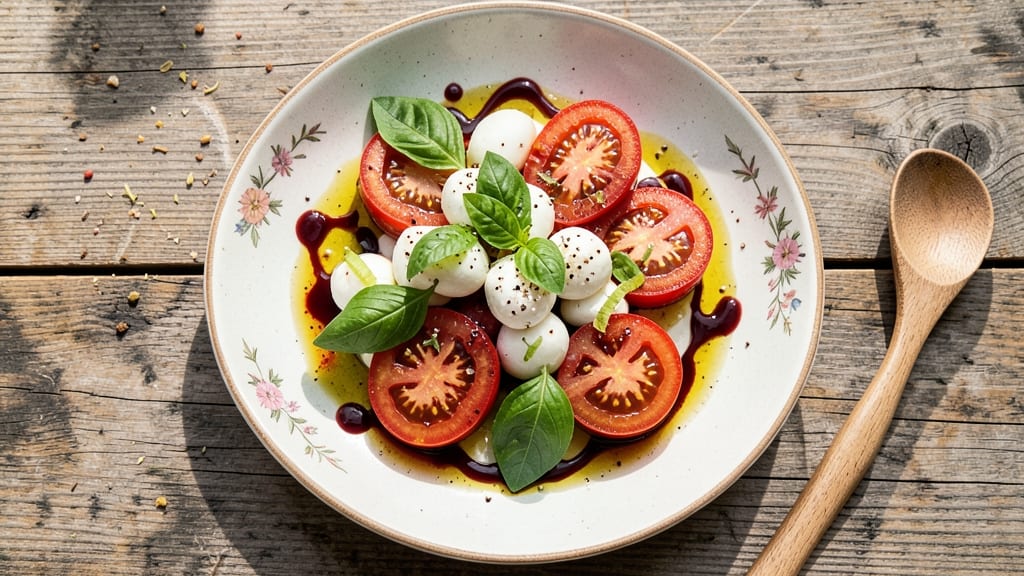
Ina Garten's Caprese salad recipe transforms simple ingredients into an elegant dish that captures the essence of Italian summer dining. The classic combination of ripe tomatoes, creamy mozzarella, and fresh basil creates a harmonious balance of flavors and textures that's both refreshing and satisfying.
This recipe stays true to tradition while offering a refined touch with its signature basil oil drizzle.
The beauty of this salad lies in its simplicity—just a few high-quality ingredients assembled with care. Fresh heirloom tomatoes and tender mozzarella balls are stacked artfully, while a drizzle of extra-virgin olive oil infused with basil elevates each bite.
The addition of a light balsamic reduction adds a touch of sweetness that ties everything together.
What makes this version special is the attention to presentation, creating a visually stunning dish that's perfect for summer entertaining or a light lunch. The salad is naturally vegetarian and can easily be adapted for vegan diets by using plant-based mozzarella.
Each component comes together seamlessly, delivering that perfect first bite you crave.
Whether you're serving this as an appetizer, side dish, or light main course, it's sure to impress. The recipe's versatility allows you to customize it with optional additions like prosciutto or avocado. Let's bring this Italian classic to your table with confidence and style.
Ingredients for caprese salad recipe ina garten
Fresh heirloom tomatoes, tender mozzarella, and aromatic basil create this iconic Italian salad with refined elegance.
| Ingredient | Amount | Notes |
|---|---|---|
| Heirloom Tomatoes 🍅 | 2 whole | Large, ripe, sliced into 1/2-inch rounds |
| Fresh Mozzarella 🧀 | 8 oz | Pearl or ball form, room temperature |
| Fresh Basil Leaves 🌿 | 1 cup | Torn, not chopped, for basil oil |
| Extra-Virgin Olive Oil 🫒 | ½ cup | High-quality, fruity variety |
| Balsamic Vinegar 🍷 | 2 tbsp | Aged, reduced for glaze |
| Flaky Sea Salt 🧂 | 1 tsp | Diamond Crystal preferred |
| Freshly Ground Black Pepper 🌶️ | ½ tsp | Freshly cracked for best flavor |
| Garlic Cloves 🧄 | 2 cloves | Minced for balsamic reduction |
| Balsamic Glaze 🍯 | 1 tbsp | Store-bought or homemade reduction |
| Fresh Basil Stems 🌿 | 2 whole | For basil oil infusion |
The tomatoes and mozzarella are the stars, so quality matters. Heirloom tomatoes from a local farmers market—like the Brandywine or Cherokee Purple varieties—deliver the sweetest, juiciest slices. For mozzarella, Whole Foods Market's fresh pearl mozzarella or Eataly's fior di latte are ideal; avoid pre-shredded, which lacks moisture and melts poorly. Room temperature mozzarella stacks beautifully and blends textures perfectly with tomatoes. The basil should be vibrant green with a pronounced aroma—Costco's organic basil or a fresh bouquet from the grocery store's produce section works well. If using store-bought basil, check the stems for freshness; wilted leaves indicate age.
No heirloom tomatoes? Beefsteak or Roma varieties are excellent substitutes—they hold their shape better during stacking. For mozzarella alternatives, buratta or bocconcini add rich creaminess, though texture will differ slightly. Fresh basil unavailable? Dried basil at one-third the amount works in a pinch, though it lacks the bright, fresh notes. The balsamic glaze can be homemade by simmering 1 cup balsamic vinegar with 2 minced garlic cloves until reduced by half, or use a high-quality store-bought version like Balsamic Crema from Trader Joe's. For the basil oil, ensure the stems are included—they infuse subtle garlic notes that elevate the dish. If you're short on time, a drizzle of high-quality extra-virgin olive oil alone still delivers incredible flavor.
Fresh mozzarella and tomatoes should be used within 2 days of purchase for optimal texture and flavor. Basil keeps best in the fridge, wrapped in a damp paper towel, for up to 5 days. The basil oil can be made ahead and stored in an airtight container in the refrigerator for up to 1 week, though it's best used within 3 days for peak freshness. Balsamic glaze can be stored in the fridge for 2 weeks or frozen for up to 3 months. When assembling the salad, wait until serving to drizzle the basil oil and balsamic glaze to maintain crispness. For a restaurant-worthy presentation, arrange the tomato-mozzarella stacks on a large platter and garnish with torn basil leaves and a final sprinkle of flaky sea salt.
Why You'll Love This Recipe
- No-Knife Night: I swear, this is the salad that finally convinced me to stop buying pre-cut veggies. Slice the heirloom tomatoes and mozzarella with a sharp knife—takes two minutes—and the basil just gets torn by hand. No mandoline, no fuss, no stress. My hands are clean before the kids even ask for snacks.
- Sweet-Savory Magic: That first bite where the juicy heirloom tomato meets the creamy mozzarella? Then the basil’s bright peppery punch cuts through, and the balsamic glaze ties it all together like a perfect hug. Honestly, I’ve tried fancy caprese salads with balsamic reductions—this version with just a drizzle is honestly better. Simpler, but way more satisfying.
- Picnic to Party: This salad works just as well in a mason jar for lunch as it does on a platter for guests. Toss it in a bowl for a quick weeknight dinner, or build it into a charcuterie spread when company’s over. My college-aged nephew once asked if he could take the leftovers to a friend’s house—yes, even on a Tuesday night.
- Leftovers That Don’t Suck: Most salads wilt by day two, but this one? The tomatoes stay firm, the mozzarella holds its shape, and the basil keeps its aroma if you store it right (separate the dressing, trust me). I’ve packed this for work lunches for three days straight—no sad, soggy greens here. Plus, the olive oil and balsamic keep the cost down while making it feel like a splurge.
Step-by-step instructions for Caprese salad with basil oil drizzle
This elegant salad balances sweet tomatoes, creamy mozzarella, and aromatic basil for a dish worthy of any table.
Prepare the Basil Oil and Balsamic Reduction
In a small saucepan, combine the 0.5 cup extra-virgin olive oil, 2 cloves minced garlic, and 2 whole fresh basil stems. Heat over low heat for 3-4 minutes until the garlic is just fragrant—don't let it brown or it will turn bitter. Immediately remove from heat and let steep for 10 minutes, then strain through a fine-mesh sieve into a clean bowl. Discard the garlic and basil stems.
For the balsamic reduction, combine the 2 tbsp balsamic vinegar in a small saucepan and simmer over medium heat until reduced by half (about 3-4 minutes). Let cool slightly, then whisk in the 1 tbsp balsamic glaze. This creates a glossy, balanced sweet-tart finish that elevates the salad.
Assemble the Tomato-Mozzarella Stacks
Slice the 2 whole heirloom tomatoes into ½-inch rounds and pat dry with paper towels to remove excess moisture. Arrange 4 slices of tomato on a large platter, spaced evenly. Place 2 oz of fresh mozzarella (cut into ½-inch rounds) on each tomato slice, alternating with additional tomato slices until you've used all the ingredients. The stacks should be 3 layers high—tomato, mozzarella, tomato.
Gently press down on each stack to create a stable base. This prevents the mozzarella from sliding during serving. The alternating layers ensure every bite delivers the perfect balance of juicy tomato and creamy mozzarella.
Season and Drizzle for Finishing Touches
Sprinkle each stack evenly with ½ tsp flaky sea salt and ¼ tsp freshly ground black pepper. The salt should be distributed lightly—just enough to enhance the natural flavors without overpowering. Let the salad sit for 5 minutes to allow the salt to meld with the ingredients.
Drizzle the prepared basil oil generously over each stack, allowing it to pool slightly at the base. Follow with the balsamic reduction, creating zigzag patterns for visual appeal. The basil oil adds herbal brightness while the balsamic reduction ties all the flavors together.
Garnish and Serve Immediately
Tear the 1 cup fresh basil leaves into large pieces and scatter them over the salad, focusing on the gaps between stacks. The basil's vibrant color and fresh aroma elevate the dish's presentation and flavor. Serve the Caprese salad immediately while the mozzarella is still slightly cool and the basil remains crisp.
For best results, arrange the salad on a large platter and serve as a centerpiece. Each stack should hold its shape, with the mozzarella maintaining its creamy texture and the tomatoes remaining firm. Pair with crusty bread or a simple arugula salad to complete the meal.
Pro Tips For Making Caprese Salad Recipe Ina Garten
- Slice Mozzarella Cold: Fresh mozzarella is soft as butter when warm—it’ll turn to mush if you slice it straight from the fridge. Instead, cut it before assembling the salad and let it sit at room temp for 10 minutes. (Yes, even if you’re impatient like me.)
- Salt the Tomatoes: Heirloom tomatoes taste bland until they’ve sweated their juices. Sprinkle them with flaky sea salt 10 minutes before serving—it draws out their natural sweetness and balances the richness of the mozzarella.
- Skip the Crowding: Piling everything high makes the basil wilt and the tomatoes squish. Arrange slices in a single layer, leaving gaps—it looks prettier, stays fresher, and lets the flavors breathe.
- Drizzle, Don’t Drown: Balsamic vinegar should glaze, not pool. Warm it slightly (30 seconds in the microwave), then drizzle in thin streams over the salad after plating—just enough to coat, not soak. (Your future self will thank you.)
Regional styles of this recipe
Classic Italian Roots
This Caprese salad traces its origins to the Campania region of Italy, where tomatoes, mozzarella, and basil grow abundantly. The dish was traditionally served in rural Italian homes as a simple, no-cook meal using fresh garden ingredients.
Ina Garten's version elevates this rustic tradition with refined techniques like the basil oil drizzle, which adds depth without overpowering the natural flavors. The name "Caprese" comes from the island of Capri, where the combination of these ingredients became iconic. 🌿
Southern Italian Variations
In Naples, the birthplace of pizza, Caprese salads often include sliced prosciutto di Parma for a salty, meaty contrast. The Puglian version sometimes adds roasted red peppers and olives for extra Mediterranean flair.
For a true Southern Italian touch, I like to sprinkle chili flakes over the salad to add subtle heat—a nod to the region's love of bold flavors. This variation works especially well with buratta cheese, which has a creamier texture than traditional mozzarella.
Northern Italian Adaptations
Up in Lombardy, where risotto reigns, Caprese salads often incorporate arugula or radicchio for a peppery bite. The Emilian style might include Parmigiano-Reggiano shavings and pine nuts for added crunch and umami depth. I've found that balsamic vinegar from Modena adds a deeper, richer sweetness compared to standard balsamic.
For a Northern Italian twist, try adding thinly sliced pear to the stacks—the fruit's delicate sweetness balances the acidity beautifully.
Modern American Twists
Ina Garten's version stays true to Italian roots while incorporating American garden-fresh ingredients. For a contemporary take, many chefs add avocado slices or heirloom tomato varieties like Black Krim for deeper color and flavor. Some modern adaptations include goat cheese instead of mozzarella for a tangier profile.
I've even seen gourmet versions with truffle-infused olive oil—a luxurious upgrade that pairs wonderfully with the classic flavors. The key is keeping the dish light and fresh while allowing for creative enhancements. 💫
Vegetarian-Friendly Global Takes
This salad is naturally vegetarian and easily adaptable for vegan diets by using plant-based mozzarella like Miyoko's or Violife.
In India, a similar dish called Kachumber replaces tomatoes with cucumbers and adds tamarind chutney for a tangy twist. Japanese versions might include shiso leaves instead of basil and drizzle with yuzu kosho for a citrusy kick.
The beauty of Caprese is its adaptability—whether you're keeping it traditional or experimenting with global flavors, the core concept of fresh, vibrant ingredients remains the same.
Nutrition facts
Frequently asked questions
Can I make this Caprese salad ahead of time?
It's best served fresh, but you can prep components in advance! Assemble the tomato-mozzarella stacks up to 2 hours ahead and refrigerate uncovered (covered with a clean towel) to prevent sogginess. Make the basil oil and balsamic reduction separately and store them in airtight containers. Just add the drizzles and fresh basil right before serving.
What's the best way to store leftover Caprese salad?
Store any leftovers in an airtight container for up to 1 day, but the mozzarella will soften and the tomatoes may release more juice. For best texture, separate the components and store them separately—keep the mozzarella and tomatoes in one container with paper towels to absorb moisture, and store the basil oil and balsamic reduction separately. Rebuild when ready to eat.
How do I make this vegan?
Swap the fresh mozzarella for a high-quality plant-based alternative like Miyoko's Mozzarella or Violife, which melt beautifully. Use vegan balsamic glaze (check labels for honey-free versions) and ensure your olive oil is certified vegan. The dish will still deliver that fresh, vibrant flavor profile while being completely plant-based.
Why does my mozzarella get watery?
Fresh mozzarella releases moisture when sliced, especially if the tomatoes aren't fully dried. Pat all ingredients thoroughly with paper towels before assembling, and let the mozzarella sit at room temperature for 15-20 minutes before slicing. Also, use a sharp knife for clean cuts that minimize bruising and moisture release.
Can I use store-bought basil oil instead?
Yes, but homemade makes a world of difference! Store-bought versions often lack the fresh garlic notes from the stems. For a quick shortcut, infuse your olive oil with 1 tsp dried basil and 1 crushed garlic clove for 10 minutes before straining. This simple upgrade adds depth that jarred oils can't match.