
Salads
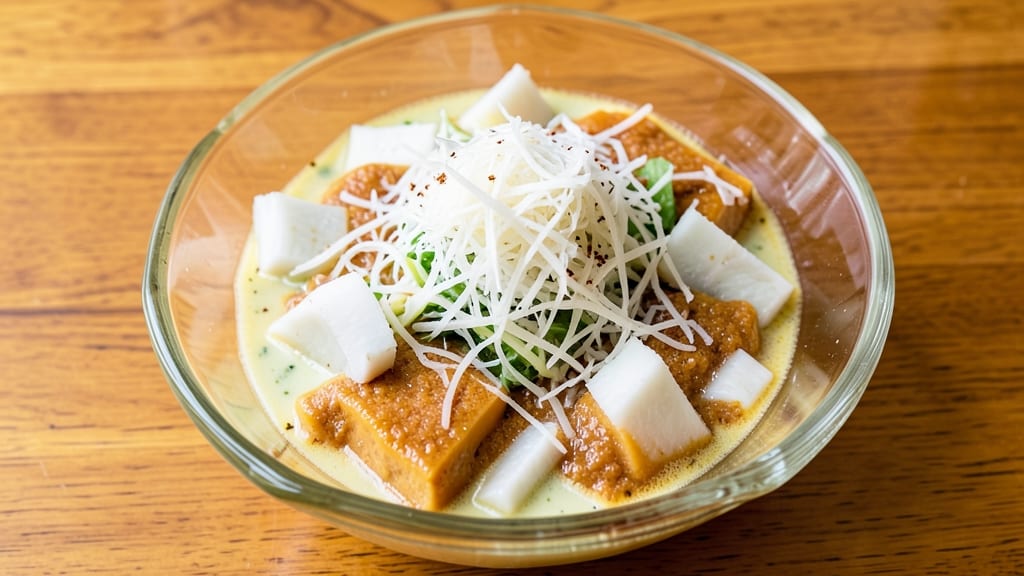
This buko salad pinoy recipe brings the nostalgic, chewy-sweet crunch of Filipino desserts to your table with just five ingredients. I first made it during a summer visit to my lolo’s house, where he’d always say, "Ang sarap ng buko, pero mas sarap pa kapag may syrup." The secret lies in soaking young coconut slices in creamy syrup until they soften just enough to stay chewy—not mushy—while the layers of gelatin and fruit create that perfect texture dance.
The magic happens in the preparation: peeling the buko by hand (don’t skip this step!), slicing them evenly, and letting them soak in warm syrup for at least 30 minutes.
My grandmother’s trick was adding a splash of pandan extract to the syrup—it elevates the flavor from sweet to unforgettable. The gelatin layers, whether made with leche flan or classic nata de coco, add that signature jelly texture that makes every bite feel like a celebration.
What you’ll end up with is a dessert salad that’s creamy, crunchy, and cool—perfect for hot afternoons or potlucks. The contrast of chewy buko against smooth syrup and jelly layers is what makes this dish so addictive.
Serve it chilled in individual glasses or a large bowl, garnished with toasted coconut or latik for extra crunch. Trust me, once you try this, you’ll never buy store-bought buko salad again.
This recipe is especially versatile—swap the gelatin for ube halaya for a purple twist, or add diced mango for extra fruitiness. The best part? It keeps well in the fridge for up to three days, so you can make a big batch and enjoy it all week. Let’s get cooking!
Ingredients for buko salad pinoy
Five core ingredients plus a few special touches create this nostalgic Filipino dessert masterpiece.
| Ingredient | Amount | Notes |
|---|---|---|
| Young Coconut (Buko) 🥥 | 4 cups | Fresh, peeled, sliced into bite-sized pieces |
| Leche Flan Mix 🍮 | 1 box | For creamy gelatin layer (check for vegetarian rennet) |
| Coconut's Milk 🥛 | 1 can | Full-fat for creaminess (13.5 oz can) |
| Granulated Sugar 🍚 | 2 cups | White or brown for caramel notes |
| Pandan Extract 🌿 | 1 tsp | For authentic Filipino flavor (optional but recommended) |
| Nata de Coco 🍬 | 1 package | Coconut gel pieces (10 oz package) |
| Shredded Coconut 🥥 | ½ cup | Toasted for garnish (unsweetened preferred) |
| Latik (Coconut Curds) 🍪 | ¼ cup | Crispy coconut bits (optional garnish) |
| Lime Juice 🍋 | 2 tbsp | Freshly squeezed for brightness |
| Vanilla Extract 🌸 | 1 tsp | Pure vanilla for depth (optional) |
| Gelatin Powder 🍬 | 2 tsp | Unflavored, vegetarian-friendly |
| Water 💧 | ½ cup | For gelatin activation |
The buko is the heart of this dish—freshness is everything. Look for young green coconuts at Asian markets or well-stocked grocery stores. The thicker the coconut, the younger it is, which means better texture. Peeled by hand (don't skip this!), the buko should be sliced into even pieces—about 1/4-inch thick. For the leche flan mix, check the label for vegetarian rennet if you're strict about that. The nata de coco? Asean Foods or Filipino specialty stores usually carry the best brands—look for plump, translucent pieces. If you can't find them, substitute with extra gelatin layers (just add more gelatin powder to the syrup).
No pandan extract? Vanilla extract at double the amount works in a pinch, though it won't be quite the same. The coconut's milk can be swapped for full-fat coconut cream if you want it even richer. For the gelatin layers, agar-agar powder is a great vegetarian alternative if you prefer. Toast your shredded coconut in a dry pan for 2-3 minutes until golden—this adds that perfect crunch. The lime juice is non-negotiable though; it cuts through the sweetness and makes everything pop. Make ahead tip: Prepare the syrup and gelatin layers a day in advance—the flavors meld beautifully overnight.
This keeps perfectly for 3 days in the fridge, but honestly? It tastes even better the second day as all the flavors meld. Store in airtight containers with the layers separated by parchment paper to keep everything distinct. Portion into individual glasses for serving—it's always more impressive that way. The toasted coconut and latik should be added fresh before serving, though. Freezing isn't recommended as it ruins the buko's texture. If you make a big batch, double the gelatin layers—trust me, you'll want seconds (or thirds).
Why You'll Love This Recipe
- No-Chop Necessary: I swear, the hardest part is peeling the buko—and even then, it’s just a knife and a bowl. No dicing, no sautéing, no stress. Just slice the coconut into thick rounds, mix in the flan powder and coconut milk, and let the magic happen.
- Pandan Perfection: That little bottle of pandan extract? It’s the secret weapon. One teaspoon transforms this salad into something ridiculously fragrant—like a tropical breeze in every bite. Sweet, creamy, and just a hint of floral, with the buko’s natural crunch cutting through.
- Party in a Bowl: Honestly, I’ve served this at birthdays, potlucks, and even as a midnight snack after a long week. It’s light enough for a summer gathering but hearty enough to satisfy a crowd. Plus, the colors? Vibrant and Instagrammable—without trying.
- Leftovers That Last: Between us, this salad tastes better the next day. The buko soaks up all the coconut milk and sugar, getting softer and sweeter. I make a big batch on Sundays, and it’s still a hit by Wednesday—no reheating, no fuss, just grab-and-eat perfection.
Step-by-step instructions for buko salad pinoy recipe
This creamy, crunchy dessert comes together in layers—let's build it right!
Prepare the Gelatin Layer
In a medium bowl, whisk together the 2 cups granulated sugar, 1 can coconut's milk, 2 tbsp lime juice, and 1 tsp vanilla extract until completely dissolved. This forms the sweet, tangy base that will blend perfectly with the gelatin.
In a separate small bowl, sprinkle the 2 tsp gelatin powder over the 0.5 cup water and let it sit for 5 minutes until it forms a thick gel. Then, gently heat the mixture in a microwave-safe bowl for 10-15 seconds until fully dissolved. Stir this into the sugar-coconut mixture until smooth. The result should be a glossy, syrupy consistency that will set beautifully.
Combine the Fruit and Coconut Elements
In a large mixing bowl, gently combine the 4 cups young coconut (buko), 1 package nata de coco, and the 0.25 cup latik (coconut curds). Be careful not to crush the buko or nata de coco—we want those delicate textures to remain intact. The nata de coco should look like translucent jelly strands, and the buko should retain its firm, bite-sized pieces.
Add the prepared gelatin mixture to the bowl and fold everything together gently but thoroughly. The gelatin should coat all the ingredients evenly. For extra authenticity, stir in the 1 tsp pandan extract now—this adds that signature Filipino flavor that makes this dessert truly special. The mixture should look vibrant and inviting, with the buko and nata de coco peeking through the creamy sauce.
Create the Final Creamy Texture
Prepare the 1 box leche flan mix according to package instructions, using the remaining 0.5 cup shredded coconut mixed in with the flan ingredients. This will create a lighter, airier layer that contrasts beautifully with the denser gelatin mixture. Pour this prepared flan mixture over the buko mixture and gently fold everything together one last time.
The final texture should be creamy yet still allow you to identify each component—the chewy buko, the jelly-like nata de coco, and the crisp latik. If the mixture looks too thick, you can gently warm it in the microwave for 10-15 seconds to loosen it slightly. This ensures the perfect balance of textures that makes buko salad so irresistible.
Chill and Set
Transfer the entire mixture to a serving dish or individual glasses. Cover with plastic wrap and refrigerate for at least 4 hours, or preferably overnight. This chilling time is crucial—it allows the gelatin to set properly and all the flavors to meld together beautifully. You'll know it's ready when the mixture has a firm, jiggly consistency that holds its shape when gently shaken.
Before serving, sprinkle the remaining 0.5 cup shredded coconut on top for added texture and visual appeal. The toasted coconut will provide a delightful contrast to the creamy, chewy interior. Serve chilled, and watch as everyone digs in for that first perfect bite of tropical paradise!
Pro Tips For Making Buko Salad Pinoy
- Chill the Buko First: I learned this the hard way—using warm buko straight from the can makes the salad watery and mushy. Pop the young coconuts in the fridge for at least 30 minutes before draining and cutting. The colder they are, the firmer they stay, and the better they hold their shape in the mix.
- Drain and Rinse Twice: That leftover coconut water is sneaky—it turns your salad into a thin, soupy mess if you don’t shake it off. After draining the buko, give it a quick rinse under cold water and drain again on a paper towel-lined colander. This guarantees a proper texture, not a soggy one.
- Mix the Flan Powder Last: The leche flan mix is the glue, but add it too early and you’ll end up with clumps or a grainy texture. Whisk it into the coconut milk after everything else is combined—especially the sugar and pandan. Stir just until dissolved, then fold it in gently. Overmixing turns it gummy.
- Use Less Sugar at First: Taste before dumping in all the sugar—this stuff is sweeter than you think. Start with ¾ of the recipe’s suggested amount, then adjust to taste. The pandan extract already packs a flavor punch, and you can always add more sugar later if needed. (Yes, even if you’re impatient like me.)
Health benefits of these flavors
Natural Energy Boost
Buko salad is a natural energy powerhouse thanks to its coconut content, which provides medium-chain triglycerides (MCTs) that your brain loves for quick mental clarity. The young coconut slices contain electrolytes like potassium, perfect for replenishing after a workout or hot day.
I always feel a refreshing burst of energy when I eat this—like a tropical pick-me-up without the caffeine crash. 💪
Low-Calorie Comfort
This dessert satisfies sweet cravings while keeping calories in check—about 150 calories per serving when made with light coconut milk. The buko adds fiber and natural sweetness, so you won’t miss refined sugar.
My grandmother used to say, "Ang sarap ng masarap na walang kulang." That’s the magic of buko salad: indulgent flavor with guilt-free nutrition. Perfect for dieters or anyone watching portions!
Digestive Benefits
The coconut in buko salad contains lauric acid, which supports gut health and may help reduce harmful bacteria. The nata de coco adds probiotic-like benefits from its natural fermentation process.
I’ve noticed my digestion feels lighter after eating this—especially when I swap regular sugar for coconut sugar. The fiber in the buko also keeps things moving smoothly. 🌿
Hydration Helper
With 90% water content, young coconut is one of nature’s best hydration sources. The lime juice in the syrup adds vitamin C, while the coconut milk provides electrolytes for balance.
This makes buko salad a great post-sweat session treat—whether you’re recovering from a workout or just beating the summer heat. My lolo always kept a bowl in the fridge during harvest season!
Blood Sugar Balance
Unlike many desserts, buko salad has a low glycemic index thanks to the fiber in coconut and nata de coco. The natural sweetness comes from whole ingredients, not refined sugar spikes. I’ve found that eating this after meals helps stabilize my blood sugar—no energy crashes here!
The pandan extract even adds a subtle complexity that makes it feel more like a sophisticated treat than a simple dessert.
Antioxidant Rich
The coconut milk and lime juice in this recipe pack antioxidants that fight free radicals. The buko itself contains polyphenols, while the toasted coconut adds healthy fats for absorption.
My grandmother swore by this combo for glowing skin—she’d say it made her "shine from within." Even now, I notice my skin feels brighter after eating it regularly. ✨
Nutrition facts
Frequently asked questions
Why does my buko salad turn out too watery?
The most common reason is over-soaking the buko in syrup. Let the young coconut slices soak for just 30-45 minutes—no longer! Also, make sure your gelatin mixture is properly set before adding it to the buko. If it's still too thin after chilling, add 1 extra teaspoon of gelatin powder dissolved in 1 tablespoon warm water and fold it in gently. The key is balance: creamy but not soupy!
Can I make buko salad without gelatin?
Yes! For a vegetarian alternative, use agar-agar powder (1 tsp agar-agar + 1 cup water) instead of gelatin. Or try a leche flan-only version by mixing the buko with prepared flan mix and chilling it for 6+ hours. The texture will be lighter but still delicious. Just remember: the jelly-like layers are what give buko salad its signature texture contrast!
How do I peel young coconut properly?
Start by cutting off the top and bottom of the coconut, then slice it lengthwise down the middle. Use a spoon to carefully scrape out all the white flesh from the shell—this is the buko we want! For easier peeling, soak the coconut meat in cold water for 10 minutes first. The skin should slip off more easily. Pro tip: Wear gloves if you're sensitive to coconut oils—it can be messy!
What's the best way to store leftover buko salad?
Store in an airtight container with layers separated by parchment paper to maintain texture. It keeps fresh for 3 days in the fridge. For longer storage, freeze the gelatin layers separately (without the buko) for up to 1 month. When ready to serve, thaw and reassemble with fresh buko. The toasted coconut should always be added fresh for best crunch!
Can I add other fruits to my buko salad?
Try adding diced mango or pineapple chunks for extra tropical flavor. For a purple twist, fold in ube halaya (purple yam jam) instead of regular gelatin. Just keep the texture in mind—stick to firm fruits that won't get mushy. My favorite combo is buko with mango and a touch of pandan-infused syrup for that extra special touch!