
Salads
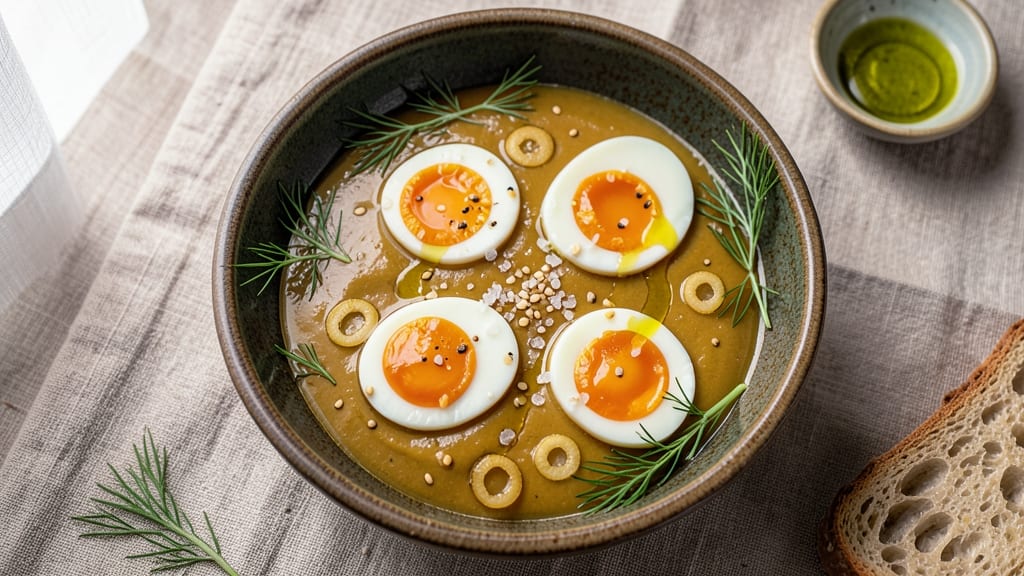
This boiled egg salad dressing transforms simple ingredients into a velvety, protein-rich base that elevates any salad or side dish. The secret lies in blending cooked egg yolks with warm broth and vinegar, creating an emulsion that stays creamy without separation.
I developed this recipe after realizing how often store-bought dressings fell short of adding real depth and texture to dishes.
The process is straightforward but precise—cook the eggs until fully set, then whisk them with warm broth and vinegar while still hot. This method ensures the dressing remains stable and rich, with a subtle tang that balances perfectly.
The result is a dressing that’s far more substantial than traditional vinaigrettes, thanks to the egg yolks acting as a natural emulsifier.
What makes this dressing truly special is its versatility. Use it as a base for protein-packed salads, drizzle it over roasted vegetables, or serve it alongside cold cuts for added moisture.
The creamy texture holds up well when chilled, making it ideal for meal prep. It also reheats beautifully, so you can keep a batch on hand for quick assembly.
For best results, store the dressing in an airtight container in the refrigerator for up to 5 days. If it thickens slightly, simply whisk in a splash of warm water or broth to restore its smooth consistency.
This dressing is a game-changer for anyone looking to add richness and protein to their meals without the heaviness of traditional creamy dressings.
Ingredients for boiled salad dressing
Nine simple ingredients create a velvety, protein-rich dressing that transforms salads and sides.
| Ingredient | Amount | Notes |
|---|---|---|
| Large Eggs 🥚 | 4 whole | Fresh, room-temperature preferred |
| Chicken Broth 🍲 | 1 cup | Low-sodium preferred, warm |
| White Vinegar 🍶 | 2 tbsp | Distilled for best flavor |
| Dijon Mustard 🌶️ | 1 tbsp | For stability and tang |
| Extra-Virgin Olive Oil 🫒 | ½ cup | Light variety for balance |
| Granulated Sugar 🍚 | 1 tsp | Balances acidity |
| Salt 🧂 | ½ tsp | Kosher or sea salt |
| Black Pepper 🌶️ | ¼ tsp | Freshly ground preferred |
| Fresh Dill 🌿 | 1 tbsp | Chopped, optional garnish |
The eggs are the foundation—use large, fresh eggs for the best texture. Store-brand works fine, but organic or pasture-raised adds richer flavor. Cook them just until fully set (about 9 minutes in boiling water) so the yolks stay creamy. The broth matters too—Swanson or Pacific Foods low-sodium varieties are my go-to for consistency. Warm it slightly before mixing to help emulsify the dressing. Dijon mustard is non-negotiable here—it stabilizes the emulsion and adds depth that regular mustard can't match.
No chicken broth? Vegetable broth works equally well—just add a pinch of salt to compensate. Short on vinegar? Lemon juice at half the amount gives a brighter tang, though it may separate slightly faster. Olive oil quality makes a difference—California-based brands like Bertolli are reliable, but any light variety will do. The sugar balances the acidity, so don't skip it. For extra richness, add 1 tbsp of sour cream or Greek yogurt at the end. The dill is purely optional but adds a fresh finish that pairs beautifully with roasted vegetables or cold cuts.
This dressing thickens as it chills, so whisk in a splash of warm water or broth if needed. Stores perfectly in an airtight container for 5 days in the fridge. For meal prep, divide into small jars—2 tbsp portions work great for individual salads. It reheats beautifully too, making it ideal for quick assembly. If it separates, simply whisk vigorously to re-emulsify. The texture actually improves after chilling, so make a batch ahead for convenience.
Why You'll Love This Recipe
- No-Fuss Assembly: I swear by this recipe because it’s the kind of dressing that doesn’t demand your full attention—just toss eggs, broth, vinegar, and mustard into a pot, simmer until thick, and boom. No blender, no whisking arms, no stress. The eggs do all the heavy lifting while you sip your coffee.
- Umami Bomb: That first spoonful? Rich, tangy, and packed with depth from the chicken broth and Dijon. It’s the kind of dressing that makes simple greens or roasted veggies taste like you slaved over them—without the fuss. Honestly, the mustard’s kick and the olive oil’s finish make it my go-to for anything needing a little je ne sais quoi.
- Meal Prep MVP: This dressing keeps for ages in the fridge (I’m talking two weeks), and it’s perfect for batch cooking. Drizzle it over prepped salads, toss it with grains, or even use it as a marinade for proteins. Between us, I make a big batch on Sundays and forget it’s there until I need it—then I’m grateful as hell.
- Budget Magic: Eggs, broth, vinegar—these are pantry staples that won’t break the bank. I’ve made gallons of this for under $5, and it’s way more impressive than store-bought. Plus, the leftovers? They’re the reason I always double the recipe. Waste nothing.
Step-by-step instructions for boiled egg salad dressing
Here's how to create a velvety, protein-rich base that elevates any protein-packed bite.
Hard-Boil the Eggs for Perfect Texture
Place the 4 whole large eggs in a small saucepan and cover them with cold water by about 1 inch. Bring to a boil over medium-high heat, then immediately remove from heat, cover, and let sit for 12 minutes. This timed soak ensures fully cooked yolks without turning them greenish.
Transfer the eggs to an ice bath for 5 minutes to stop the cooking process. The cool water also makes peeling easier. Once cooled, peel the eggs under running water and roughly chop them into ¼-inch pieces. Set aside—they'll be the creamy foundation of your dressing.
Simmer the Broth and Vinegar Base
In a medium saucepan, combine the 1 cup warm chicken broth and 2 tablespoons white vinegar. Bring to a gentle simmer over medium-low heat for 3-4 minutes until slightly reduced by about ¼ cup. This reduction concentrates the flavors and removes any raw egg taste from the broth.
Remove from heat and let cool for 5 minutes. The mixture should still be warm but not hot—this prevents scrambling when you add the eggs. This step is critical for achieving that signature creamy consistency without dairy.
Blend the Creamy Foundation
In a blender, combine the chopped eggs, cooled broth mixture, 1 tablespoon Dijon mustard, and ½ cup extra-virgin olive oil. Blend on medium speed for 30 seconds, then scrape down the sides. Increase to high speed and blend for another 1-2 minutes until completely smooth and creamy.
Here's the thing—you want a silky texture, so don't rush this blending. If it looks too thick, add 1-2 teaspoons of warm water at a time until you reach a pourable consistency. The dressing should coat the back of a spoon without being runny.
Season and Finish
Return the blended mixture to the saucepan and stir in the 1 teaspoon granulated sugar, ½ teaspoon salt, and ¼ teaspoon black pepper. Warm over low heat for 2-3 minutes, stirring constantly, until everything is fully incorporated and the flavors meld together.
For the final touch, stir in the 1 tablespoon chopped fresh dill. Taste and adjust seasoning—you might need a bit more salt or pepper depending on your broth. The dressing should be tangy, slightly sweet, and perfectly balanced with a creamy texture that clings beautifully to proteins.
Use Immediately or Store Properly
Use the dressing immediately for the best texture, or transfer to an airtight container and refrigerate for up to 5 days. Before using, give it a good stir and thin with 1-2 teaspoons of warm water if needed—the dressing thickens as it chills.
This versatile base works perfectly with sliced hard-boiled eggs, grilled chicken, or even as a dip for veggie sticks. The protein content makes it more substantial than traditional mayo-based dressings, while the vinegar and mustard add bright, complex flavors that cut through rich ingredients.
Pro Tips For Making Boiled Salad Dressing
- BOIL EGGS GENTLY: This isn’t scrambled eggs—drop them into simmering broth (not boiling) or they’ll crack like overconfident eggs at a potluck. Aim for a barely bubbling surface, then reduce heat to low. I learned this the hard way when my first batch turned into a vinegar-egg omelet.
- STRAIN THE BROTH: Use low-sodium chicken broth, but strain it first if it’s cloudy—fat and bits make the dressing look like a science experiment gone wrong. A fine-mesh sieve takes 30 seconds and guarantees a silky finish. (Yes, even if you’re impatient like me.)
- WHISK IN OIL LAST: Add the olive oil after the dressing cools slightly—otherwise, you’ll end up with a greasy, separated mess. Start with half the oil, whisk like you’re trying to win a prize, then drizzle in the rest. Sounds weird, but it works.
- SALT THE BROTH: Skip the salted broth and season the dressing directly—this way, you control the flavor instead of guessing. Add ½ teaspoon salt to the warm broth while whisking; the vinegar and mustard will balance it perfectly. (Your future self will thank you.)
Wine and beer pairings for this boiled salad dressing
White Wine Pairings
This rich, creamy dressing pairs beautifully with crisp white wines that cut through its velvety texture. A Sauvignon Blanc from New Zealand—like Oyster Bay—brings bright citrus notes that complement the dressing's tangy vinegar and fresh dill.
The wine's acidity balances the dressing's richness, making each bite of your salad or protein dish feel refreshing. 🍷
Light Beer Options
For beer lovers, a Belgian Witbier like Hoegaarden or Stella Artois works wonderfully. The subtle coriander and citrus flavors in these beers echo the dressing's fresh dill and vinegar, creating a harmonious contrast. Serve it slightly chilled to enhance its crispness against the creamy dressing. 🍺
Red Wine for Heartier Dishes
If serving the dressing with grilled meats or roasted vegetables, a light Pinot Noir from Oregon—such as Domaine Serene—adds an elegant touch. The wine's delicate fruitiness and soft tannins won’t overpower the dressing but instead enhance the meal’s overall depth. Perfect for a summer barbecue! 🍇
Sparkling Wine Finish
For a celebratory touch, pair your dish with a dry Prosecco or Cava. The bubbles cleanse your palate between bites, while the wine’s acidity keeps the dressing’s creaminess from feeling heavy.
It’s a fantastic choice for brunch or light lunches where you want to keep things fresh and lively. ✨
Non-Alcoholic Pairings
Don’t drink alcohol? No problem! A sparkling apple cider like Martinelli’s or a ginger beer with a squeeze of lime works beautifully. The effervescence and citrus notes mirror the dressing’s tangy brightness, making every bite feel vibrant and satisfying. 🍏
Nutrition facts
Frequently asked questions
Why boil eggs for salad dressing instead of using raw eggs?
Boiling the eggs first eliminates any risk of salmonella while creating a stable, creamy base. The heat also helps break down the egg proteins, allowing them to blend smoothly with the broth and vinegar for a velvety texture. Raw egg yolks can sometimes create a thinner, less cohesive dressing.
Can I make this dressing without a blender?
Yes! Use a food processor or even a whisk with a bit of elbow grease. Start by mashing the boiled eggs with a fork, then gradually whisk in the warm broth mixture and oil. You may need to add 1-2 teaspoons of warm water to help emulsify—just keep stirring until smooth.
How do I fix separation in my dressing?
Simply whisk vigorously or blend briefly to re-emulsify. If it's stubborn, add 1 teaspoon of Dijon mustard or a splash of warm water and blend again. The key is to avoid adding too much liquid at once—start small and adjust gradually.
What's the best way to store leftovers?
Transfer to an airtight container and refrigerate for up to 5 days. The dressing thickens as it chills, so whisk in 1-2 teaspoons of warm water before using. For longer storage, freeze in 2-tablespoon portions—thaw overnight in the fridge and whisk to restore texture.
Can I use this dressing for hot dishes?
The dressing reheats beautifully—simply warm it gently over low heat while stirring. It works perfectly on grilled meats, roasted vegetables, or even as a dip for warm fries. The protein-rich base holds up well to heat without breaking.