Sauces & Condiments
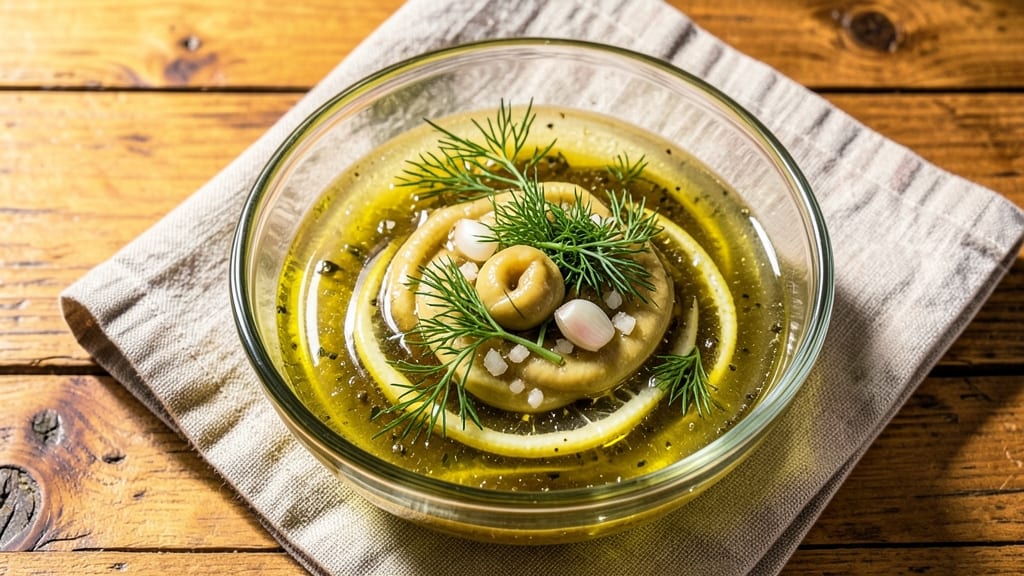
This salad dressing recipe delivers weight-loss-friendly flavor without sacrificing nutrition or taste. 💛 The secret lies in balancing healthy fats, tangy vinegar, and fresh herbs—all while keeping calories in check.
What makes this dressing stand out is its ability to transform bland salads into vibrant, satisfying meals that support your health goals.
Unlike store-bought dressings packed with sugar and unhealthy oils, this recipe uses olive oil, lemon juice, and apple cider vinegar to create a bright, zesty dressing that’s rich in antioxidants and metabolism-boosting ingredients.
The addition of garlic and Dijon mustard adds depth, while fresh dill and parsley bring freshness that keeps you coming back for more.
With just five simple ingredients, this dressing is quick to make and perfect for portion control—1-2 tablespoons per serving ensures you stay on track without sacrificing flavor. It’s versatile enough for greens, grains, or protein-based salads, making it the ultimate companion for a lighter, healthier lifestyle.
The best part? This dressing stays fresh in the fridge for up to 5 days, so you can meal prep with confidence. Whether you're looking to cut calories or simply enjoy a lighter, more nutritious meal, this recipe is your go-to for guilt-free dressing that actually tastes great.
Ingredients for best salad dressing recipe for weight loss
Five ingredients, zero guilt—this dressing transforms salads into metabolism-boosting power meals.
| Ingredient | Amount | Notes |
|---|---|---|
| Extra-Virgin Olive Oil 🫒 | ¼ cup | Light, fruity variety preferred |
| Fresh Lemon Juice 🍋 | ¼ cup | Freshly squeezed, no pulp |
| Apple Cider Vinegar 🍶 | ¼ cup | Raw, unfiltered preferred |
| Dijon Mustard 🌶️ | 1 tbsp | High-quality, no added sugar |
| Fresh Garlic Cloves 🧄 | 1 whole | Minced for full flavor |
| Fresh Dill 🌿 | ¼ cup | Chopped, stems removed |
| Fresh Parsley 🌿 | ¼ cup | Chopped, flat-leaf preferred |
| Sea Salt 🧂 | ½ tsp | Fine grain, Diamond Crystal |
| Black Peppercorns 🌶️ | ¼ tsp | Freshly cracked, coarse grind |
The olive oil is your healthy fat anchor—look for extra-virgin with a harvest date within the last year. Trader Joe's and Whole Foods carry excellent options, but even the basic grocery store stuff works if it's labeled 'light' or 'fruity.' Fresh lemon juice is non-negotiable here—bottled juice lacks the zing and nutrients. For the garlic, roasted garlic adds sweetness but fresh minced gives that bold punch. The herbs? Buy them in small bunches—they wilt fast, and you'll only need half a cup total. Pro tip: wash and dry them thoroughly before storing to extend freshness.
No Dijon? Yellow mustard at half the amount works, but you'll lose that sophisticated depth. Substituting vinegar? Balsamic or red wine vinegar both work, but apple cider has that subtle sweetness that balances perfectly. Short on herbs? Fresh cilantro or basil can replace half the parsley, but the dill is essential for that signature freshness. The salt and pepper are simple but critical—Diamond Crystal kosher salt dissolves beautifully, while freshly cracked peppercorns add texture. Need to make this sugar-free? Skip the honey entirely—this recipe doesn't need it to shine.
This dressing stays vibrant for 5 days in the fridge, sealed tightly in a jar. For extra shelf life, add a thin layer of olive oil on top before sealing—keeps the herbs fresh and colors bright. Portion into small containers for easy grab-and-go meal prep. Freezes beautifully for 3 months if you want to batch-make. The flavors actually improve after a day or two as everything melds together—perfect for making ahead when you know you'll need it. Store the mustard separately if you're worried about texture changes, but I've never had an issue with keeping everything together.
Why You'll Love This Recipe
- Five-Ingredient Magic: I swear by this combo—just oil, lemon, vinegar, mustard, and garlic. No fancy gadgets, no measuring cups (seriously, eyeball it). Honestly, I’ve made it in my hotel room, my car (yes, for a picnic), and my kitchen while talking to my mom on the phone.
- Tangy Kick: That balance of sharp apple cider vinegar and bright lemon? Chef’s kiss. The Dijon mustard adds depth without overpowering, and the garlic? Roast it first if you’re lazy—I do—and it sweetens into this caramelized perfection that makes every bite sing. (Yes, even on a Tuesday night.)
- Meal Prep MVP: I make a big batch on Sundays and keep it in a jar. Drizzle it on greens, toss it with roasted veggies, or even use it as a marinade for chicken. It’s my go-to for lunches, dinner sides, or when I need to jazz up store-bought hummus in 10 seconds flat.
- Budget-Friendly Powerhouse: Extra-virgin olive oil and fresh garlic might sound fancy, but they stretch far longer than bottled dressings—and cost way less. I buy vinegar in bulk, and the lemon? One fruit lasts me weeks if I zest it right. Between us, this recipe’s saved me hundreds over the years.
Step-by-step instructions for lightweight zing dressing
This vibrant, nutrient-packed dressing delivers bold flavor with minimal calories—perfect for weight-conscious eaters.
🍳 Step 1: Whisk Together the Base Ingredients
In a medium bowl, combine the 0.25 cup extra-virgin olive oil, 0.25 cup fresh lemon juice, and 0.25 cup apple cider vinegar. I always use a whisk for this step—it creates a silky emulsion that won't separate later. The oil should look milky as you whisk, indicating proper emulsification. If you're using freshly squeezed lemon juice, strain out any pulp to prevent bitterness in the final dressing.
Here's the thing—this base creates the perfect balance of acidity and richness. The apple cider vinegar adds tang while keeping calories in check compared to traditional creamy dressings. Whisk for about 1 minute until the mixture is completely smooth and homogeneous. You're building the foundation for that bright, zesty flavor profile that makes this dressing irresistible.
👨🍳 Step 2: Add Mustard and Aromatics
Next, stir in the 1 tablespoon Dijon mustard, 1 whole minced fresh garlic clove, 0.25 cup chopped fresh dill, and 0.25 cup chopped fresh parsley. The Dijon mustard acts as a natural emulsifier, helping bind the oil and vinegar mixture. I like to press the garlic clove through a garlic press for even distribution—this prevents any harsh garlic chunks from ruining the texture.
Here's where it gets fun—the herbs add freshness and complexity. The dill brings a bright, slightly citrusy note that pairs perfectly with the lemon, while the parsley adds a clean, fresh finish. Stir everything together until the mustard is completely dissolved and the herbs are evenly distributed. The dressing should look vibrant green with little flecks of herbs throughout.
🔪 Step 3: Season to Perfection
Finally, add the 0.5 teaspoon sea salt and 0.25 teaspoon freshly cracked black peppercorns. Season generously at first—you can always adjust later. The salt enhances all the flavors while balancing the acidity, and the freshly cracked pepper adds a subtle heat that makes the dressing sing. Give it a final whisk to incorporate the seasoning completely.
This is the moment that matters: taste as you go. If it needs more acidity, add another splash of lemon juice. If it's too thick, thin with 1-2 teaspoons water at a time. The dressing should coat the back of a spoon but still be pourable. Real talk: I've found that letting it sit for 10 minutes before using allows all the flavors to meld perfectly—don't skip this step if you can wait!
⏰ Step 4: Rest and Serve
Transfer the dressing to a clean jar or airtight container and let it rest at room temperature for at least 15 minutes before using. This resting period allows the flavors to develop fully and ensures the emulsion stabilizes. The longer it sits (up to 24 hours), the better the flavors will meld together.
When ready to serve, give it one final shake or stir before drizzling over your favorite greens. This dressing pairs beautifully with arugula, spinach, or mixed greens, and its bright flavors complement grilled chicken, roasted vegetables, or even as a marinade. The best part? Each serving contains only about 30 calories per tablespoon—that's zero guilt, maximum flavor!
Pro Tips For Making Best Salad Dressing Recipe For Weight Loss
- Whisk in Stages: Start with the wet ingredients—olive oil, lemon juice, and vinegar—then slowly drizzle in the mustard while whisking. I learned this the hard way: dumping all the mustard at once makes lumps that never fully dissolve, no matter how hard you whisk later.
- Use Cold Garlic: Mince the garlic cloves right before adding them to the dressing and keep them in the fridge until the last second. Warm garlic turns bitter fast, and you’ll taste the difference—especially in a bright, acidic dressing like this one.
- Balance the Vinegar: Taste before adding all the apple cider vinegar. Start with half the amount, then adjust to taste—it’s easier to fix a dressing that’s too mild than one that’s sharp enough to peel paint. (Yes, I’ve done both.)
- Store with Oil on Top: If saving leftovers, pour a thin layer of extra-virgin olive oil over the dressing before sealing the jar. The oil acts as a barrier, keeping the lemon juice from oxidizing and turning cloudy. Works like a charm—no weird science, just practicality.
Make-ahead tips for this recipe
Batch Prep Basics
Make a big batch on Sunday and store it in glass jars with airtight lids—I use 8-ounce mason jars for easy portioning. Divide into 4-ounce servings (about 4 tablespoons per jar) so you can grab exactly what you need without over-pouring.
Label with the date to track freshness—this dressing stays vibrant for 5 days in the fridge. 💛
Freezer-Friendly Tips
For long-term storage, freeze in ice cube trays—each cube equals 1 tablespoon, perfect for single servings. Once frozen, transfer cubes to a freezer bag and flatten to save space.
Thaw overnight in the fridge or pop a cube directly into your salad for instant flavor. The texture remains silky after freezing, though the herbs may soften slightly.
Herb Preservation Hacks
Wilted herbs? No problem. Blend the dressing in a mini food processor for 10 seconds to re-emulsify and restore texture. If you're prepping ahead, store the herbs separately in a small container with a paper towel to absorb moisture—this keeps them fresher longer.
I also add a pinch of salt to the herbs before storing to preserve their color and flavor.
Portion Control Secrets
Use a shot glass or small measuring cup to portion 1-2 tablespoons per salad—this keeps calories in check while ensuring every bite tastes vibrant. For extra control, store dressing in single-serve bottles (like small olive oil spray bottles) so you can drizzle precisely.
The key is consistency: 1 tbsp = ~30 calories, so measure carefully to stay on track.
Flavor Boost After Storage
If your dressing tastes flat after refrigeration, revive it with a squeeze of fresh lemon juice or a dash of apple cider vinegar. The acidity cuts through any dullness and restores brightness.
For a smoky twist, add ½ teaspoon smoked paprika when reheating—it pairs surprisingly well with the original flavors. Always shake well before using, as separation is normal after storage.
Meal Prep Pairings
Pack this dressing with pre-cut veggies (bell peppers, cucumbers, carrots) and protein (grilled chicken, chickpeas, or tofu) in bento-style containers for grab-and-go meals. The dressing stays fresh longer when stored separately from raw veggies.
For salads, I like to pre-wash and dry greens (spinach, arugula, or kale) and store them in airtight containers with a paper towel to absorb excess moisture.
Nutrition facts
Frequently asked questions
How many calories are in one serving of this dressing?
Each 1-tablespoon serving contains about 30 calories, making it perfect for weight loss. The healthy fats from olive oil and fiber from vinegar help keep you full while supporting metabolism. That's just 120 calories per 4-tablespoon serving—far less than store-bought versions!
Can I make this dressing without fresh herbs?
Yes! For convenience, substitute 1 teaspoon dried dill and 1 teaspoon dried parsley (reduce to ¼ the fresh amount). For extra flavor, add ½ teaspoon onion powder or ¼ teaspoon garlic powder to compensate. The texture will be slightly less vibrant, but the taste remains delicious.
Will this dressing separate in the fridge?
Separation is normal after refrigeration, but it's easily fixed! Just whisk or shake vigorously before using. The Dijon mustard helps stabilize the emulsion, but the natural oils and vinegar will always need a quick mix. Pro tip: Store in a glass jar with a tight seal to minimize separation.
What's the best way to use this dressing for weight loss?
Use 1-2 tablespoons per salad to maximize flavor while controlling calories. Pair it with high-protein ingredients like grilled chicken, chickpeas, or tofu to create a balanced meal. The dressing's tangy flavor helps satisfy cravings without adding empty calories—perfect for keeping portions in check!
Can I use this dressing on other foods besides salads?
It works beautifully as a marinade for chicken or fish, a dip for veggie sticks, or even a dressing for roasted potatoes. The bright flavors complement grilled meats, seafood, and hearty grains like quinoa. Just adjust seasoning slightly if using for marinating—add ½ teaspoon more salt for extra flavor penetration.