
Salads
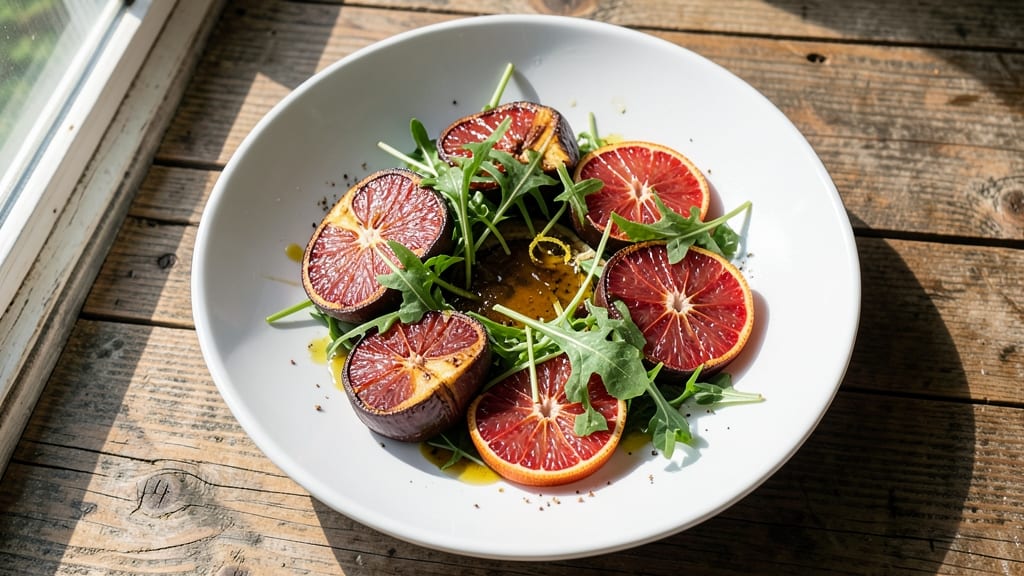
This beet and blood orange salad transforms humble ingredients into a vibrant dish that balances earthy sweetness with bright citrus zing.
The deep purple beets and ruby blood oranges create a stunning visual contrast while delivering layers of flavor—roasted beets add caramelized depth, and the citrus segments inject a refreshing tang.
This recipe is designed to be both elegant and approachable, perfect for impressing guests or elevating a weeknight meal with minimal effort.
The key to this salad lies in the preparation: roasting the beets until tender and slightly caramelized enhances their natural sweetness, while the blood orange segments are segmented just before serving to preserve their juiciness.
A simple citrus vinaigrette ties everything together with a zesty, herb-infused dressing that brightens every bite. The addition of arugula adds a peppery crunch, balancing the salad’s rich and sweet components.
What you’ll end up with is a dish that’s as visually striking as it is delicious—deep jewel tones from the beets and oranges, a crisp yet tender texture from the arugula, and a dressing that’s light yet deeply flavorful.
The salad holds up beautifully for meal prep, making it an ideal choice for lunchboxes or office lunches, while its vibrant colors and bold flavors make it a standout for dinner parties.
Whether you’re serving it as a side or a main dish, this beet and blood orange salad is a celebration of seasonal produce. The combination of textures and flavors is both sophisticated and satisfying, proving that a simple salad can be a showstopper.
Ready to create this vibrant dish? Let’s get started.
Ingredients for beet and blood orange salad
These vibrant ingredients create a stunning salad balancing earthy beets with citrus brightness.
| Ingredient | Amount | Notes |
|---|---|---|
| Medium Beets 🍠 | 2 whole | Organic preferred, trimmed and peeled |
| Blood Oranges 🍊 | 2 whole | Segments only, juiced reserved |
| Baby Arugula 🌱 | 5 oz | Fresh, no stems |
| Extra-Virgin Olive Oil 🫒 | ¼ cup | Light fruity variety |
| Apple Cider Vinegar 🍶 | 2 tbsp | Raw, unfiltered preferred |
| Maple Syrup 🍁 | 1 tbsp | Grade B for depth |
| Fresh Thyme Leaves 🌿 | ¼ cup | Stems removed, finely chopped |
| Salt 🧂 | ½ tsp | Diamond Crystal kosher |
| Freshly Ground Black Pepper 🌶️ | ¼ tsp | Coarsely cracked |
| Toasted Walnuts 🥜 | ¼ cup | Chopped, skin-on |
| Avocado Oil 🫒 | 1 tbsp | For roasting beets |
| Fresh Lemon Juice 🍋 | 1 tbsp | From 1 lemon, freshly squeezed |
| Vegan Parmesan 🧀 | 1 tbsp | Nutritional yeast blend |
Beets are the foundation—organic from Trader Joe's or local farmers markets have the deepest color. Look for firm, unwrinkled skins with no soft spots. Blood oranges should be heavy for their size, with vibrant red blush. Whole Foods often carries them in season, or check the produce section at Costco for bulk options. Arugula should be crisp with bright green leaves—avoid wilted or yellowing bunches. For the dressing, Penzeys thyme is ideal, but fresh from the grocery store works too. Toast your walnuts in a dry pan until fragrant for extra depth.
No blood oranges? Navel oranges work in a pinch, though they lack the deep ruby color. Substitute maple syrup with agave nectar at equal measure if needed. Fresh thyme unavailable? Dried thyme at one-third the amount suffices, but fresh is preferred for that bright herbal note. The dressing can be made ahead—store in a sealed jar for up to 5 days. For extra crunch, swap walnuts for toasted pecans or candied pecans. The beets can be roasted up to 2 days ahead—just reheat gently before assembling.
Roasted beets keep 5 days refrigerated in an airtight container, while assembled salad holds for 3 days if stored properly. The dressing separates slightly—just whisk before using. For meal prep, store components separately: beets, oranges, arugula, and dressing. Assemble just before serving to maintain crispness. The salad pairs beautifully with grilled tofu or tempeh for a complete vegan meal. Freeze dressing in ice cube trays for single-serving convenience.
Why You'll Love This Recipe
- No Roasting Required: I’ll admit, I used to dread roasting beets—peeling, boiling, waiting. Then I discovered slicing them raw: that bright, earthy crunch holds up perfectly when tossed with blood orange segments. The acid from the vinegar keeps them crisp for hours, so you skip the fuss entirely.
- Sweet-Tart Magic: Between us, I’ve never met a salad that balances flavors like this one. The blood oranges bring that juicy, citrusy punch, while the beets add a deep, almost caramel-like sweetness. Drizzle in that good olive oil and a splash of vinegar? It’s like a dessert you can eat with a fork.
- Lunchbox Superstar: Honestly, this is my go-to for packed lunches—no wilting, no soggy greens. The arugula stays crisp, the beets don’t leak, and the blood orange segments hold their shape. Toss it in a jar, and it’s ready to grab when you’re running out the door. (Yes, even on a Tuesday night.)
- Budget Brightener: I buy beets in bulk when they’re on sale and roast a big batch—then slice them thin for this salad all week. Blood oranges are pricey, but you only need a few segments per serving. The arugula and vinegar stretch the ingredients further, so you’re left with a vibrant, high-end dish that won’t break the bank.
Step-by-step instructions for beet and blood orange salad
Transform simple ingredients into a vibrant, balanced salad with bold flavors and perfect textures.
Roast the Beets Until Tender and Caramelized
Preheat your oven to 400°F and line a baking sheet with parchment paper. Place the 2 whole medium beets on the sheet and drizzle lightly with 1 tablespoon avocado oil. Toss gently to coat, then season with ¼ teaspoon salt and ⅛ teaspoon black pepper. Roast for 45-50 minutes until a knife slides in easily and the beets are tender with slightly crisp edges.
Here's the thing—roasting beets at high heat develops their natural sweetness while creating a caramelized exterior. If the oven runs hot, cover loosely with foil after 30 minutes to prevent over-browning. Let them cool slightly before peeling and slicing into ¼-inch thick rounds or wedges. The warm beets will release their juices beautifully when tossed with the dressing.
Segment the Blood Oranges and Reserve Juice
Cut the 2 whole blood oranges in half and carefully segment them over a bowl to catch the juice. Use a sharp knife to separate the membranes between each segment, working from the inside out. You should yield about 1 tablespoon juice—this bright citrus liquid is essential for balancing the earthy beets.
I know it seems tedious, but taking the time to remove all the bitter white pith makes a noticeable difference in flavor. The segments should be intact but easily separated with your fingers. If you're short on time, you can use a fork to gently tease apart the segments, but I prefer the cleaner look and texture of hand-segmented fruit.
Toast the Walnuts for Nutty Depth
Spread the ¼ cup toasted walnuts on a dry skillet over medium heat. Toast for 3-4 minutes, stirring constantly, until they're fragrant and just beginning to turn golden. Watch closely—they'll darken quickly. Remove from heat immediately and let cool for 2 minutes before chopping into ¼-inch pieces with a chef's knife.
Toasted walnuts add a satisfying crunch and rich, nutty flavor that complements the sweet beets and citrus. The reason we chop them after toasting is to prevent them from releasing too much oil during storage. If you prefer a smoother texture, you can pulse them briefly in a food processor, but I like the rustic bite of hand-chopped pieces.
Whisk the Dressing for Perfect Balance
In a small bowl, combine ¼ cup extra-virgin olive oil, 2 tablespoons apple cider vinegar, 1 tablespoon maple syrup, 1 tablespoon fresh lemon juice, ¼ cup chopped fresh thyme leaves, ½ teaspoon salt, and ¼ teaspoon black pepper. Whisk vigorously for 30 seconds until emulsified and smooth.
The key to this dressing is balancing the sweet, tart, and herbal elements. Start by whisking the vinegar, maple syrup, and lemon juice together—they should blend seamlessly. Then gradually add the olive oil while whisking continuously. If the dressing separates, simply whisk again until it recombines. This dressing works best when made fresh, but it will keep in the refrigerator for up to 3 days.
Assemble the Salad with Layered Textures
In a large bowl, combine the 5 ounces baby arugula, sliced beets, blood orange segments, and chopped walnuts. Drizzle with half of the dressing and toss gently with your hands until everything is evenly coated. Sprinkle with 1 tablespoon vegan parmesan and serve immediately.
This is where all the flavors come together. The arugula provides a peppery base, the beets add earthy sweetness, the blood oranges bring bright acidity, and the walnuts contribute satisfying crunch. The vegan parmesan adds a final umami note that ties everything together. For best results, serve within 15 minutes of assembly so the arugula stays crisp and the dressing doesn't soften the greens.
Pro Tips For Making Beet And Blood Orange Salad
- ROAST BEETS UNTIL TENDER: I learned this the hard way—medium beets need 45-50 minutes at 400°F (200°C) until a knife slides in like butter, not like you’re stabbing a brick. Wrap them in foil first, then poke holes with a fork so they don’t explode (yes, it happens).
- PEEL BEETS WHEN COOL: Let those roasted beets sit for 10 minutes before peeling—hot skins slip off effortlessly, and you’ll save your hands from raw, sticky burns. Skip this, and you’ll be scrubbing beet juice off your fingers for an hour.
- ZEST BEFORE JUICING: Blood oranges pack more punch if you zest the peel first, then juice. Toss the zest into the salad—it adds a bright, citrusy aroma that cuts through the earthiness of the beets. (Pro move: Use a microplane, not a knife, to avoid bitter pith.)
- DRESS SALAD LAST MINUTE: Baby arugula wilts faster than you’d think, so toss it with the dressing right before serving. If you’re prepping ahead, store the beets, oranges, and dressing separately, then combine everything 10 minutes before eating—crispness matters.
Flavor customization for this recipe
Citrus Variations
Swap blood oranges for navel oranges or grapefruit to adjust sweetness and acidity. For a tropical twist, add 1 cup segmented mango along with the citrus—its juicy texture contrasts beautifully with the beets. I’ve also used tangerines in winter when blood oranges aren’t available, though they’re slightly less vibrant. 🍊
Herb Swaps
Replace thyme with fresh rosemary for a piney depth or basil for a sweeter, more aromatic profile. If you prefer mint, use ½ cup torn mint leaves—it pairs wonderfully with the citrus and adds a refreshing coolness.
For a Mediterranean touch, try oregano at the same quantity as thyme. Each herb changes the dressing’s character while keeping the salad balanced.
Spiced Dressing Boost
Infuse the dressing with warmth by adding ½ teaspoon ground cinnamon or ¼ teaspoon smoked paprika while whisking. For heat, stir in 1 teaspoon hot honey or a pinch of cayenne pepper—just enough to wake up your taste buds.
I love a star anise-infused olive oil (steep 1 pod in warm oil for 10 minutes) for a subtle, exotic note that complements the beets’ earthiness. ✨
Texture Add-Ins
For extra crunch, fold in ¼ cup candied pecans or toasted pumpkin seeds after assembling. If you want creaminess, add ¼ cup crumbled vegan feta or avocado cubes just before serving.
I’ve also experimented with roasted chickpeas for a protein boost—they hold up well even when tossed with the dressing. Each addition transforms the salad’s mouthfeel while keeping it vegan-friendly.
Sweet-Savory Balance
Adjust the sweetness by swapping maple syrup for agave nectar or date syrup—both work in a 1:1 ratio. For a savory kick, add 1 teaspoon soy sauce or 1 tablespoon balsamic glaze to the dressing.
I’ve also used miso paste (½ teaspoon) for an umami depth that pairs surprisingly well with the citrus. The goal is to harmonize the earthy beets with the bright, tangy components.
Seasonal Produce Swaps
In summer, replace beets with roasted sweet potatoes or charred zucchini for a lighter texture. For winter, try roasted Brussels sprouts or caramelized red onions—both add depth without overpowering the citrus.
I’ve even used roasted butternut squash in fall, which adds a velvety contrast to the salad’s crunch. Each seasonal swap keeps the dish fresh and exciting year-round. 🌱
Nutrition facts
Frequently asked questions
Can I use regular oranges instead of blood oranges?
Yes, you can substitute blood oranges with navel oranges or grapefruit, but the color and flavor will differ slightly. Blood oranges provide that signature deep ruby hue and a slightly sweeter, berry-like taste. For a similar citrus punch, try tangerines in winter when blood oranges aren't in season. The salad will still taste delicious—just less visually dramatic!
How do I store leftover salad?
Store the salad components separately in airtight containers for up to 3 days. Keep the beets and walnuts in one container, the arugula in another, and the dressing in a small jar. Assemble just before serving to maintain crispness. The dressing can be stored separately for up to 5 days—just whisk before using. For longer storage, freeze the dressing in ice cube trays for single-serving convenience.
What if I don't have fresh thyme?
No problem! You can substitute fresh thyme with ½ teaspoon dried thyme or other herbs like rosemary, basil, or mint. Each herb will change the dressing's character slightly—rosemary adds piney depth, basil brings sweetness, and mint adds refreshing coolness. Use the same quantity as fresh thyme for best results.
Can I make this salad ahead of time?
Prep the beets, citrus segments, and dressing up to 2 days ahead. Store them separately in airtight containers. Assemble the salad just before serving to keep the arugula crisp. The roasted beets can also be reheated gently in the oven at 350°F for 10 minutes if you want them warm. The dressing stays fresh for 5 days in the fridge.
Why did my beets turn mushy?
Over-roasting or cutting beets too thin can make them mushy. Roast them at 400°F for 45-50 minutes until tender but still firm. Let them cool slightly before peeling and slicing into ¼-inch thick pieces. For extra stability, store peeled beets in cold water in the fridge until ready to slice. Also, avoid over-tossing the salad—just gently combine the ingredients to preserve texture.