
Salads
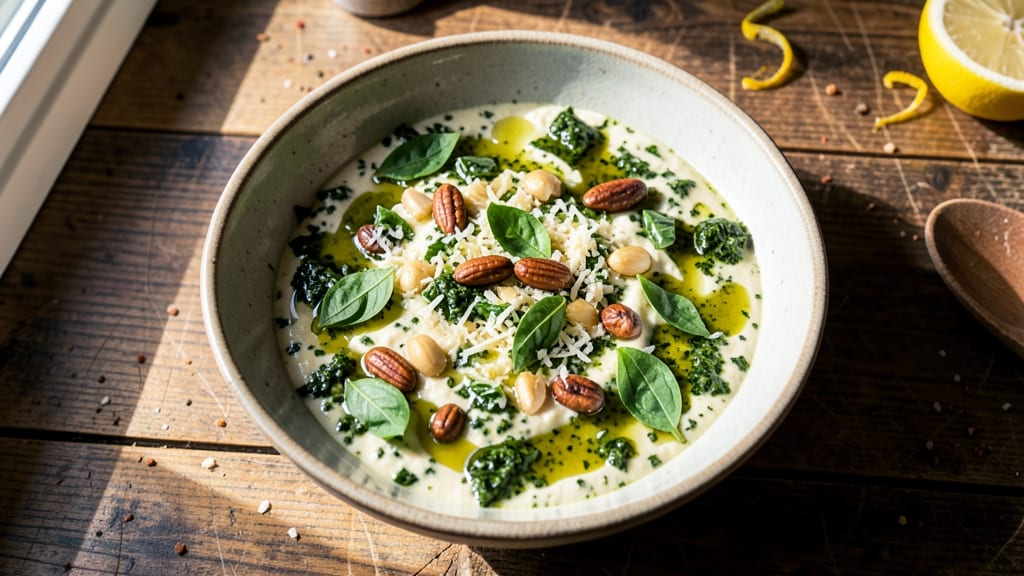
This basil pesto salad dressing recipe transforms fresh herbs into a vibrant, creamy sauce that elevates every dish. 💚 The secret lies in blending ripe basil, garlic, and toasted nuts with high-quality olive oil until you achieve a smooth, velvety texture perfect for drizzling over salads, pasta, or sandwiches.
Unlike store-bought versions, this homemade dressing delivers bold, bright flavors with no artificial additives—just pure, garden-fresh taste in minutes.
The beauty of this recipe is its simplicity: no cooking required, just a few ingredients and a food processor or blender. Toasting the nuts or seeds first adds depth, while Parmesan cheese (or nutritional yeast for vegan) contributes a savory richness that balances the fresh basil.
What sets this apart is how quickly it comes together—ideal for busy weeknights when you still want restaurant-quality flavor.
What you’ll end up with is a rich, herbaceous dressing that clings beautifully to greens, grains, or proteins, enhancing their natural flavors without overpowering them. The dressing stays fresh in the fridge for up to a week, making it perfect for meal prep.
Whether you’re tossing it with arugula, drizzling over grilled chicken, or using it as a dip, this basil pesto dressing is a game-changer for effortless, flavorful meals.
For extra versatility, adjust the ratio of olive oil to herbs to suit your preference—thicker for dipping, thinner for tossing. Pair it with seasonal vegetables, roasted meats, or even as a sandwich spread. Here’s everything you need to make it shine.
Ingredients for basil pesto salad dressing
Fresh basil and toasted nuts blend into this creamy dressing in minutes.
| Ingredient | Amount | Notes |
|---|---|---|
| Fresh Basil Leaves 🌿 | 2 cups | Packed, stems removed |
| Toasted Pine Nuts 🥜 | ½ cup | Or walnuts for budget option |
| Garlic Cloves 🧄 | 3 cloves | Peeled, roughly chopped |
| Extra-Virgin Olive Oil 🫒 | ¾ cup | High quality, fruity |
| Parmesan Cheese 🧀 | ¾ cup | Freshly grated from block |
| Lemon Juice 🍋 | 1 tbsp | Freshly squeezed |
| Sea Salt 🧂 | ½ tsp | Fine grain preferred |
| Freshly Ground Black Pepper 🌶️ | ¼ tsp | For subtle seasoning |
| Raw Cashews 🥜 | ¼ cup | Soaked for creaminess |
The basil is non-negotiable—farmers market basil has the best flavor, but grocery store containers work too (just pick the brightest green leaves). Toasting the nuts or seeds is key for depth—I usually pop them in a dry pan for 3-4 minutes until golden. Penzeys has great bulk nuts if you want to splurge, but the regular grocery store pine nuts are fine. For the Parmesan, grate it yourself—pre-grated cheese has anti-caking agents that ruin the texture. If you're avoiding dairy, swap the Parmesan for nutritional yeast (it adds a cheesy flavor without the dairy).
No pine nuts? Walnuts or cashews work perfectly—they just need toasting first. Short on basil? Stretch it with fresh parsley (use half the amount). The olive oil matters here—avoid cheap brands (they can taste bitter). For extra richness, add a splash of white wine or apple cider vinegar instead of lemon juice. The dressing should be thick but pourable—adjust the olive oil to reach your preferred consistency. If it's too thick, thin it with a splash of water or more lemon juice.
This keeps beautifully in the fridge for 1 week—just pour it into a jar and cover with a thin layer of olive oil to preserve freshness. For longer storage, freeze in ice cube trays and transfer to a bag. Portion it out for easy use on salads or sandwiches. The flavor actually improves after a day or two as everything melds together. If you make extra, it's perfect for meal prep—just shake before using.
Why You'll Love This Recipe
- No-Chop Hassle: I swear by this—just tear those basil leaves (no knife skills needed) and pulse them with garlic and pine nuts. Five minutes tops, and you’ve got dressing that tastes like you slaved over it.
- Garlic-Parmesan Magic: That first bite? The toasted pine nuts crunch against the sharp Parmesan and fresh basil—it’s like summer in a jar. Honestly, I’ve tried store-bought pesto, and this blows it out of the water.
- Weeknight Superstar: Drizzle it on pasta, toss it with roasted veggies, or even slather it on grilled chicken. It’s my go-to for lazy dinners, potlucks, or when I need something fancy without the effort.
- Leftovers That Last: Make a double batch—it keeps for days in the fridge, and the flavor only gets better. Between us, I’ve had this dressing three weeks later and still craved it. (Yes, even on a Tuesday night.)
Step-by-step instructions for basil pesto salad dressing
Here's how to make vibrant, creamy pesto that elevates any salad in minutes.
👨🍳 Step 1: Soak the Cashews for Creamy Texture
Place the 0.25 cup raw cashews in a small bowl and cover with hot water. Let them soak for 15 minutes—this softens them perfectly for blending. The cashews replace pine nuts in traditional pesto, giving you a nut-free option while adding natural creaminess that balances the basil's brightness.
Drain the soaked cashews well before using, pressing gently between paper towels to remove excess water. This step is crucial—dry cashews blend smoothly and prevent a watery dressing. I like to soak them while I prep the other ingredients so everything's ready at once.
🍳 Step 2: Blend the Fresh Herb Base
In a food processor, combine the 2 cups fresh basil leaves (stems removed), 3 cloves garlic cloves (peeled), 0.5 cup toasted pine nuts, and the drained 0.25 cup raw cashews. Pulse until everything is finely chopped but not yet smooth—you want to break down the nuts and herbs while keeping some texture.
Here's the thing—don't rush this step. Pulse in 3-second bursts until you see a thick paste forming. The nuts should be reduced to fine crumbs, and the basil should look like coarse green confetti. This texture is the foundation of your dressing's body and flavor.
🍳 Step 3: Gradually Add Olive Oil and Cheese
With the food processor running, slowly drizzle in the 0.75 cup extra-virgin olive oil—about 1 tablespoon at a time. This gradual addition prevents the oil from splattering and helps emulsify the dressing. After each addition, let the mixture blend for 5 seconds before adding more.
Next, add the 0.75 cup parmesan cheese and pulse until fully incorporated. The cheese should melt into the mixture, creating a rich, tangy base. Taste at this point—you'll notice the raw flavors of basil and garlic. This is your flavor checkpoint before adding the finishing touches.
🍳 Step 4: Finish with Acid and Seasonings
Add the 1 tablespoon lemon juice, 0.5 teaspoon sea salt, and 0.25 teaspoon freshly ground black pepper to the food processor. Pulse until everything is perfectly combined and smooth. The lemon juice brightens the flavors, while the salt and pepper balance the richness of the cheese and nuts.
Taste again and adjust seasoning if needed. I usually need a tiny bit more salt to enhance all the fresh flavors. The dressing should be vibrant green, creamy, and ready to use immediately. If it's too thick, add 1-2 teaspoons water at a time until it reaches your desired consistency.
⏰ Step 5: Store and Use Freshly
Transfer the pesto to a clean jar and seal tightly. Store it in the refrigerator for up to 5 days, shaking well before each use. For best flavor, use it within 2-3 days—fresh pesto tastes brightest when made from scratch.
This dressing works perfectly on mixed greens, grain salads, or even as a marinade for grilled chicken. The key to great pesto is using fresh, high-quality ingredients—especially the basil and olive oil. Don't skip the soaking step, and always taste as you go to adjust seasoning to your preference.
Pro Tips For Making Basil Pesto Salad Dressing
- TOAST NUTS LOW AND SLOW: I learned this the hard way—blasting pine nuts on high turns them bitter faster than you can say "disaster." Use medium-low heat and keep an eye on them; they’re done when they’re just golden, not browned. A minute or two max, and stir constantly—yes, even if you’re impatient like me.
- STACK BASIL LEAF BY LEAF: Those thick stems take up space and ruin the texture. Hold a basil leaf by the stem and fold it in half lengthwise, then slice straight down—you’ll get perfect, tender strips every time. Skip the whole-leaf approach unless you’re okay with chewing.
- GRATE PARMESAN FRESH: Pre-shredded cheese is coated in anti-caking agents that turn your pesto into a clumpy mess. Use a microplane or fine grater right before mixing—it’s the only way to get that sharp, salty punch without grittiness. (And no, the "freshly grated" label on store-bought isn’t enough.)
- PULSE DON’T PUREE: Dumping everything in a blender and hitting "liquify" turns pesto into a sad, watery paste. Pulse first, then drizzle in olive oil while blending—this keeps the texture creamy but still bright. Stop when it’s chunky; you’re not making soup here.
Wine and beer pairings for this recipe
White Wine Pairings
For this bright, herbaceous dressing, I reach for crisp Italian whites that mirror its freshness. A Pinot Grigio from Alto Adige—like the Cantina Val di Fiemme—is my go-to. Its citrusy acidity and almond notes complement the basil and pine nuts beautifully, cleansing your palate between bites. 🍷
For something lighter, try a Vermentino from Sardinia. The mineral notes in this wine enhance the dressing's herbal profile while keeping the meal feeling refreshing. Avoid heavy, oaked whites—they'll overpower the delicate flavors.
Sparkling Wine Options
If you're serving this dressing with a celebratory meal, a dry Prosecco or Cava adds a festive touch. The bubbles cut through the richness, making each bite feel lighter. I love pairing it with La Marca Prosecco—its crisp acidity matches the dressing's brightness perfectly.
Beer Pairings
For beer lovers, a Belgian witbier like Hoegaarden is ideal. The coriander and citrus notes in the beer echo the lemon juice in the dressing, creating a harmonious balance. Serve it chilled for the best experience. 🍺
If you prefer lagers, a crisp Italian Peroni or Moretti works wonders. The light maltiness won't compete with the dressing's vibrant flavors, letting the basil and garlic shine.
Red Wine for Bolder Dishes
If you're using this dressing on heartier dishes like grilled steak or roasted vegetables, a light-bodied Chianti or Sangiovese can work. The acidity in the wine pairs well with the dressing's lemon and basil, while the fruitiness in the wine stands up to richer proteins.
Just avoid heavy, tannic reds—they'll clash with the delicate herbs.
Nutrition facts
Frequently asked questions
Can I make this basil pesto dressing without nuts?
Swap the pine nuts for toasted sunflower seeds or hemp seeds—they add creaminess without nuts. For extra richness, add 1 tablespoon tahini or 1/4 cup silken tofu to mimic the nutty texture. Just toast the seeds first to enhance their flavor.
How do I fix pesto that separates or turns watery?
If your pesto separates, stir in 1 teaspoon Dijon mustard or 1/2 teaspoon xanthan gum to help emulsify it. For watery consistency, blend in 1 tablespoon more toasted nuts or seeds to thicken. Always store it in an airtight container with a thin layer of olive oil on top to preserve freshness.
What’s the best way to use up leftover pesto?
Freeze extras in 1-tablespoon portions on a tray, then transfer to a bag. Thaw in the fridge overnight for smoothies, pasta sauces, or marinades. Spread it on toast with grilled veggies, or mix it into hummus for a herby twist. The flavor intensifies after freezing!
Can I use dried basil instead of fresh?
Fresh basil is ideal for vibrant flavor, but if you must use dried, reduce the amount to 1/4 cup and add 1/2 teaspoon dried oregano for depth. Dried herbs lack moisture, so blend in 1 extra tablespoon olive oil to compensate. The texture will be less creamy but still flavorful.
Why does my pesto taste bitter?
Bitter flavors usually come from overcooked garlic or old basil. Use fresh, ripe garlic and bright green basil leaves (avoid wilted ones). If the taste lingers, add 1/2 teaspoon honey or maple syrup to balance it. Always taste as you blend to adjust seasoning early.