
Salads
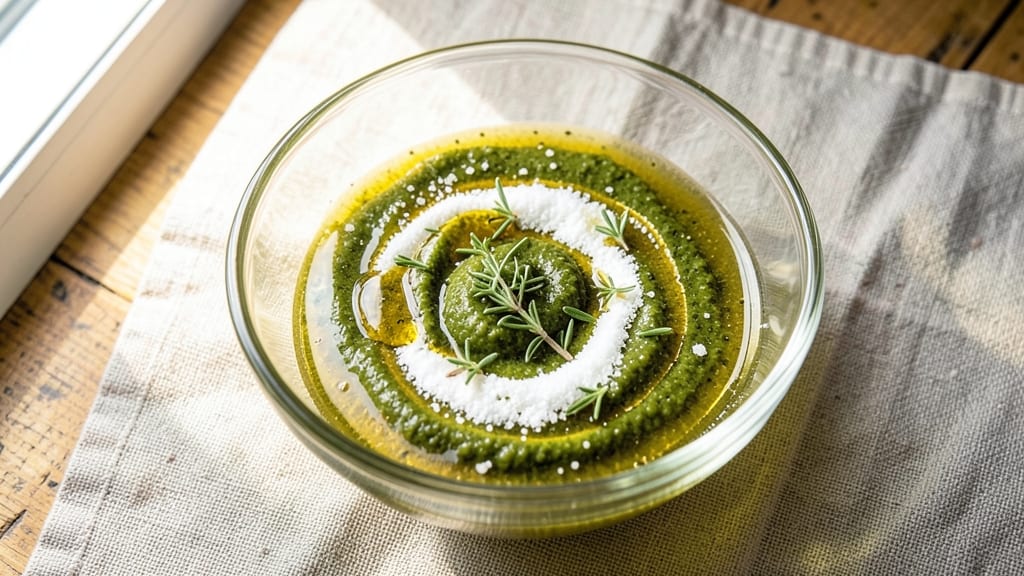
This basic salad vinaigrette recipe delivers a perfectly balanced dressing that elevates every salad—no fancy ingredients required. The secret lies in the precise ratio of oil to vinegar, creating a silky texture with bright acidity that clings beautifully to greens.
I’ve refined this formula over years of testing, ensuring it works for everything from crisp romaine to hearty grain salads.
The foundation is simple: high-quality olive oil and white wine vinegar, emulsified with a touch of Dijon mustard for stability.
A pinch of salt and a drizzle of honey (or sugar) round out the flavors, creating a dressing that’s tangy, slightly sweet, and rich enough to stand up to bold toppings. This version is foolproof—no whisking required if you prefer a quick shake in a jar.
What sets this dressing apart is its adaptability. Swap the vinegar for balsamic or apple cider, or boost the flavor with fresh herbs like thyme or tarragon. It keeps for up to a week in the fridge, making it the ultimate pantry staple for effortless, restaurant-quality salads.
The result is a dressing so versatile it transforms simple greens into a gourmet experience. Whether you’re prepping for a week of lunches or tossing a last-minute salad, this recipe ensures every bite is bright, balanced, and full of flavor.
Ingredients for basic salad vinaigrette
Seven simple ingredients transform ordinary salads into restaurant-quality meals with perfect balance.
| Ingredient | Amount | Notes |
|---|---|---|
| Extra-Virgin Olive Oil 🫒 | ¾ cup | High-quality, fruity variety preferred |
| White Wine Vinegar 🍷 | ¼ cup | Dry, not sweet |
| Dijon Mustard 🌶️ | 1 tbsp | For emulsification |
| Granulated Sugar 🍯 | 1 tsp | Or honey at same amount |
| Diamond Crystal Kosher Salt 🧂 | ½ tsp | Fine grain preferred |
| Fresh Thyme Leaves 🌿 | 1 tsp | Or 0.25 tsp dried thyme |
| Garlic Cloves 🧄 | 1 whole | Minced or finely grated |
The olive oil is non-negotiable here—look for extra-virgin with a fruity aroma, not that harsh, peppery stuff. Trader Joe's and Whole Foods carry excellent options, but any reputable brand works. White wine vinegar should be dry, not sweet—Bartles & Jaymes is a reliable choice if you want consistency. The Dijon mustard is key for emulsification; don't substitute with regular yellow mustard, which lacks the depth. Fresh thyme adds complexity, but dried works in a pinch—just use one-third the amount. For garlic, one whole clove is perfect; no need to overdo it.
No white wine vinegar? Apple cider vinegar or balsamic both work beautifully—just reduce other liquids slightly if using balsamic. Prefer sweetness? Swap the sugar for honey or maple syrup at the same measurement. Want more herbaceousness? Fresh tarragon or basil can replace thyme, but adjust to taste. The mustard is essential—it's what makes this dressing cling to greens without separating. If you're using honey, make sure it's raw and unfiltered for the best flavor. And remember: the ratio of oil to vinegar (3:1) is what makes this dressing foolproof.
This vinaigrette keeps for up to 7 days in an airtight jar in the fridge. Shake well before each use—it'll separate slightly over time. For longer storage, freeze in ice cube trays and transfer to a bag; each cube makes about 1 tablespoon. I like to make a big batch on Sundays so I'm never without it. If you're prepping salads for the week, this dressing is your secret weapon—it elevates everything from simple greens to hearty grain bowls.
Why You'll Love This Recipe
- Five-Ingredient Magic: Honestly, I keep it in my fridge because it’s that simple—just oil, vinegar, mustard, a pinch of salt, and sugar. No fancy gadgets, no measuring cups (I eyeball it), and it’s ready before the salad greens even wilt.
- Tangy Balance: That Dijon mustard isn’t just there to thicken—it adds a deep, sharp kick that cuts through the richness of the olive oil. The sugar? Just enough to soften the vinegar’s bite, so it’s bright but never harsh. (Yes, even on a Tuesday night.)
- Meal Prep MVP: I make a big batch on Sundays and toss it with everything—roasted veggies, grilled chicken, or even cold pasta. It keeps for a week, and the flavor only gets better as the vinegar mellows. No sad, wilted salads here.
- Budget Brightener: Between us, this is my secret weapon for making cheap greens taste like a restaurant salad. A little goes a long way, and those five ingredients? You already own them. No splurges, just flavor.
Step-by-step instructions for perfect salad vinaigrette
This method ensures a stable, flavorful dressing every time—no lumps, no separation, just balanced acidity and richness.
Whisk Together Acid and Sweetener
In a small bowl, combine the 0.25 cup white wine vinegar and 1 tsp granulated sugar. Whisk vigorously for 10-15 seconds until the sugar fully dissolves. This step creates a smooth base that prevents graininess later. I like to use a fork first to break up any sugar clumps before whisking—this ensures even distribution.
The sugar isn't just for sweetness; it helps balance the vinegar's sharpness and adds a subtle depth to the dressing. If using honey instead, warm it slightly first to make it easier to incorporate. Let the mixture sit for 1 minute while you prepare the next ingredients—this gives the sugar time to fully integrate.
Add Mustard and Salt for Emulsification
To the vinegar-sugar mixture, add the 1 tbsp Dijon mustard and 0.5 tsp Diamond Crystal kosher salt. Whisk continuously for 20-30 seconds until completely smooth. The mustard acts as an emulsifier, helping the oil bind with the vinegar later. If you skip this step, your dressing might separate when you add the oil.
Use a whisk for best results—the rapid motion creates tiny air bubbles that help stabilize the emulsion. If you're using a blender or food processor, add the oil first and blend briefly before adding the vinegar mixture. This prevents the dressing from becoming too thick immediately.
Gradually Incorporate the Olive Oil
With the whisk still in the bowl, slowly drizzle in the 0.75 cup extra-virgin olive oil while whisking continuously. Start with a thin stream and increase to a gentle pour as the mixture thickens. This gradual addition is critical—it prevents the dressing from breaking and ensures a silky texture. Whisk for an additional 30-45 seconds after all the oil is incorporated.
The olive oil should now coat the back of the whisk, creating a thick, glossy consistency. If the dressing looks too thin, whisk in 1-2 teaspoons more oil. For a lighter dressing, add 1-2 teaspoons more vinegar and whisk again. The ratio of oil to vinegar (3:1) is key here—too much oil makes it greasy, while too much vinegar overpowers the flavor.
Finish with Aromatics and Final Adjustments
Using a microplane or fine grater, add the 1 whole garlic clove (finely grated) and 1 tsp fresh thyme leaves to the dressing. Whisk gently for 10-15 seconds to distribute the flavors evenly. The garlic should be finely grated to avoid a harsh texture, while the thyme adds an earthy depth that pairs perfectly with the acidity.
Taste the dressing and adjust the seasoning as needed. If it needs more brightness, add ½ teaspoon more vinegar. For richness, add 1 teaspoon more olive oil. The dressing should be tangy, slightly sweet, and well-balanced—neither overpowering nor bland. Transfer to a clean jar or airtight container and let it sit for 5 minutes before using. This resting time allows the flavors to meld completely.
Store and Use for Maximum Freshness
Keep the vinaigrette refrigerated in an airtight container for up to 1 week. Before using, give it a quick whisk to re-emulsify if needed. This dressing works beautifully with mixed greens, roasted vegetables, grilled proteins, or even as a marinade. The balanced acid-oil ratio makes it versatile enough for almost any salad or dish where a bright, flavorful dressing is needed.
For extra flavor, consider adding a pinch of black pepper or a splash of lemon juice before serving. The key to a great vinaigrette lies in the balance—too much oil makes it heavy, while too much vinegar can be harsh. This method ensures you hit that perfect middle ground every time.
Pro Tips For Making Basic Salad Vinaigrette
- Whisk in Stages: Start by mixing the mustard, sugar, and vinegar first—this prevents the oil from separating when you add it later. I learned this the hard way after making a batch that split like oil and water no matter how much I shook it.
- Use Cold Mustard: Keep your Dijon mustard chilled until the last minute—room temperature makes it runny and harder to emulsify. Sounds picky, but it’s the difference between a smooth dressing and one that feels like it’s fighting itself.
- Salt the Vinegar: Add a pinch of kosher salt directly to the vinegar before combining with the oil—it balances acidity and helps the emulsion hold. I used to skip this, and the dressing always tasted flat or overly sharp.
- Finish with a Drizzle: After whisking, let the dressing sit for 5 minutes, then give it a final stir and a slow drizzle of olive oil to coat the surface. This keeps it stable longer and makes it look (and taste) more professional—even if you’re just tossing greens.
Flavor customization for this basic salad vinaigrette
Sweet vs. Tangy Balance
The classic 3:1 oil-to-vinegar ratio creates a perfect foundation, but you can adjust the sweetness to match your taste. For a more tangy dressing, reduce the sugar to ½ tsp and add ½ tsp lemon juice—this brightens the flavor without sacrificing balance.
If you prefer sweetness, increase the sugar to 1.5 tsp or swap it for 1 tsp honey for a floral note. I find honey works especially well with pear or apple salads where its floral undertones complement the fruit. 🍯
Herb Swaps for Depth
Fresh herbs transform this dressing into something special. Thyme adds earthiness, but tarragon brings an anise-like sweetness that pairs beautifully with chicken or fish salads. For a bright, citrusy twist, finely chop ½ tsp fresh basil or mint—both work well with tomato-based salads.
If you love garlic, add an extra ½ clove (finely grated) for a punchier flavor. Pro tip: Use dried herbs at ⅓ the amount of fresh, but toast them lightly in a dry pan first to intensify their aroma.
Spicy Kick Options
For heat lovers, add ½ tsp red pepper flakes or 1 tsp hot honey to the dressing. The flakes work best in warm weather salads with grilled veggies or spicy proteins, while hot honey adds a sweet-spicy contrast that’s perfect for charred corn or avocado salads.
If you’re using balsamic vinegar, the natural sweetness balances the heat beautifully—just reduce the sugar to ½ tsp. For a smoky twist, add ¼ tsp smoked paprika or a dash of liquid smoke (start with ¼ tsp).
Global Vinegar Variations
Swap the white wine vinegar for global flavors without changing the method. Rice vinegar (like Miyoko’s) adds a mild tang perfect for Asian-inspired salads with sesame oil and ginger. Apple cider vinegar brings caramel notes that shine in fall salads with butternut squash or apples.
For a Mediterranean touch, use red wine vinegar and add 1 tsp dried oregano. Even distilled white vinegar works in a pinch—just add ½ tsp extra sugar to soften its sharpness. The key is to keep the 3:1 oil-to-vinegar ratio intact.
Texture Tweaks
Want a chunkier dressing? Finely chop 1 tsp capers, red onion, or pickled jalapeños and fold them in at the end. For a creamy variation, whisk in 1 tbsp crème fraîche or Greek yogurt after adding the oil—this works surprisingly well with cucumber or radish salads.
If you prefer a lighter texture, replace ¼ cup of the olive oil with avocado oil for a neutral base that won’t overpower delicate greens. The mustard is non-negotiable for emulsion, but if you’re avoiding it, use 1 tsp cornstarch mixed with 1 tsp water as a substitute.
Seasonal Adjustments
Spring and summer call for bright, fresh flavors—add 1 tsp grated lemon zest or ½ tsp fresh dill to the dressing. In fall, swap the thyme for rosemary and add ½ tsp cinnamon for warmth, especially with sweet potato or kale salads.
Winter salads benefit from umami depth: stir in 1 tsp soy sauce or 1 tsp miso paste (reduced with a splash of water) for a savory-sweet balance. For holiday salads, a pinch of cinnamon and nutmeg elevates cranberry or pomegranate-based dishes effortlessly.
Nutrition facts
Frequently asked questions
Why does my vinaigrette separate after a few days?
Vinaigrettes naturally separate because oil and vinegar don't naturally mix. The Dijon mustard in this recipe acts as an emulsifier to help them blend, but over time, the emulsion can break down. Always shake or whisk well before using. For extra stability, add 1 tsp cornstarch mixed with 1 tsp water when whisking the dressing together. This creates a more stable bond between the oil and vinegar.
Can I make this dressing without Dijon mustard?
Yes, but you'll need to substitute with an emulsifier. Try 1 tsp cornstarch mixed with 1 tsp water or 1 tbsp mayonnaise (just a spoonful, not the whole jar!). These alternatives help bind the oil and vinegar. If you skip the emulsifier entirely, your dressing will still taste great but may separate more quickly. For a vegan option, use 1 tbsp vegan mayo or 1 tsp ground flaxseed mixed with 3 tbsp water.
How much dressing should I make for a standard salad?
This recipe makes about 1 cup of dressing, which is perfect for 2-4 servings of salad. For a single serving, use about 2-3 tablespoons. If you're making a larger salad with hearty ingredients like grains or roasted veggies, you might need up to ¼ cup per serving. The dressing is so versatile that a little goes a long way—start with less and add more as needed.
What's the best way to store leftover dressing?
Transfer any unused dressing to an airtight container and store it in the fridge for up to 7 days. Before using, give it a good shake or whisk to re-emulsify. For longer storage, freeze in ice cube trays—each cube makes about 1 tablespoon of dressing. Thaw overnight in the fridge before using. Pro tip: Keep a small jar of dressing in your fridge at all times so you always have a quick solution for last-minute salads.
Can I use this dressing on things other than salads?
This versatile dressing works as a marinade for grilled chicken or fish, a drizzle for roasted vegetables, or even a dip for crudités or breadsticks. The balanced acid-oil ratio makes it perfect for enhancing flavors without overpowering them. For marinades, use it undiluted and let the protein sit for 15-30 minutes before cooking. It also adds great flavor to pasta dishes or as a finishing sauce for tacos or grain bowls.