
Salads
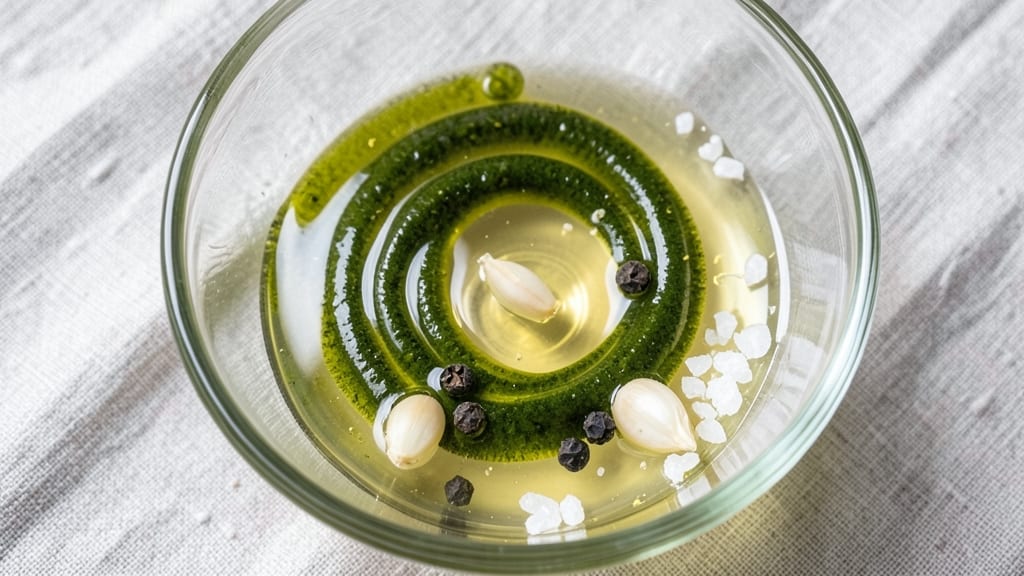
A basic oil and vinegar salad dressing recipe transforms simple greens into vibrant, flavorful bites with just five ingredients and minutes of prep. This foundational recipe delivers the perfect balance of sharp, tangy vinegar and smooth, rich oil—ideal for everything from crisp salads to roasted vegetables.
The secret lies in the ratio: equal parts oil and vinegar create a dressing that clings beautifully while enhancing, not overpowering, your ingredients.
What makes this dressing truly versatile is its adaptability—swap olive oil for avocado oil, apple cider vinegar for red wine vinegar, or add a pinch of salt and pepper to suit your taste.
No emulsifiers or complicated techniques are needed; simply whisk together the ingredients and let the natural chemistry do the work. The result is a dressing that’s bright, balanced, and ready in under 5 minutes, with no leftover waste.
This recipe isn’t just about simplicity; it’s about control. Adjust the acidity by adding more vinegar for a tangy kick or more oil for a richer mouthfeel. Store it in the fridge for up to 1 week, shaking before each use to redistribute the natural separation.
Whether you’re prepping for a week of lunches or dressing a last-minute salad, this dressing delivers restaurant-quality results without the fuss.
The beauty of a basic oil and vinegar dressing lies in its ability to elevate any dish—from a simple arugula salad to grilled chicken or even drizzled over fresh fruit. Once you master this ratio, you’ll never rely on store-bought dressings again. Let’s make it.
Ingredients for basic oil and vinegar salad dressing
Five simple ingredients balance sharp acidity and rich oil for a dressing that elevates any salad.
| Ingredient | Amount | Notes |
|---|---|---|
| Extra-Virgin Olive Oil 🫒 | ½ cup | High-quality, fruity variety preferred |
| White Wine Vinegar 🍷 | ½ cup | Substitute with apple cider vinegar |
| Freshly Ground Black Pepper 🌶️ | ½ tsp | Freshly cracked for optimal flavor |
| Diamond Crystal Kosher Salt 🧂 | ½ tsp | Fine grain preferred for even dissolving |
| Garlic Cloves 🧄 | 2 cloves | Minced for subtle garlic flavor |
The olive oil is where flavor shines—look for extra-virgin with a fruity, peppery finish. Trader Joe's and Whole Foods carry excellent options. Vinegar choice matters too: white wine vinegar offers a clean tang, but apple cider vinegar adds subtle sweetness. For garlic, two cloves give just enough aroma without overpowering. The key is quality: cheap oils and vinegars will leave your dressing flat and one-dimensional.
No white wine vinegar? Apple cider or red wine vinegar work beautifully—just adjust to taste. Swap olive oil for avocado or walnut oil for nutty depth. Fresh garlic is ideal, but garlic powder at half the amount works in a pinch. The salt should dissolve completely, so use Diamond Crystal or Morton kosher salt—they're finer than table salt. For extra richness, add 1 tsp Dijon mustard to help emulsify naturally.
Store in a clean glass jar with a tight lid in the fridge for up to 1 week. Shake vigorously before each use—the natural separation is normal. For longer storage, add 1 tsp xanthan gum to stabilize, but the classic version keeps perfectly for 5-7 days. Portion into small containers if you'll use it frequently—perfect for meal prep.
Why You'll Love This Recipe
- Five-Ingredient Magic: I swear by this combo—just oil, vinegar, salt, pepper, and garlic. No fancy gadgets, no measuring cups that never fit right. Honestly, I’ve made it blindfolded (well, almost) and still nailed it every time.
- Peppery Garlic Punch: That freshly ground pepper and minced garlic? It’s the difference between okay and I’ll lick the bowl. The vinegar cuts through the richness, while the garlic lingers like a warm hug in every bite—no overpowering, just pure satisfaction.
- Weeknight Workhorse: Dinner party? Picnic? Leftovers for lunch? This dressing is my go-to for everything. I keep a jar in the fridge and toss it on greens, grilled fish, or even roasted veggies—no second-guessing, just flavor.
- No-Waste, No-Stress: Between us, I’ve ruined dressings before—too thin, too thick, or just off. This one? Stays good for days in the fridge, costs pennies per serving, and I never overbuy. Plus, the garlic cloves last longer than you’d think if you store them right.
Step-by-step instructions for balanced oil and vinegar dressing
This classic dressing comes together in seconds with just five ingredients—no emulsifiers or fancy techniques required.
Mince the Garlic Finely
Peel the 2 cloves garlic and place them on a cutting board. Using the flat side of your chef's knife, gently press down to flatten each clove. This makes mincing easier and more consistent. Then, using a sharp knife, mince the garlic into tiny pieces—think pinhead-sized rather than coarse chunks. The goal is subtle flavor, not a punch of garlic.
For even distribution, I like to press the minced garlic into the bottom of a small bowl before adding other ingredients. This ensures every drop of dressing carries that delicate garlic essence. If you prefer milder garlic, you could reduce to 1 clove, but the recipe works perfectly as written for a balanced flavor profile.
Whisk Together Wet Ingredients
In a medium bowl or measuring cup, combine the 0.5 cup extra-virgin olive oil and 0.5 cup white wine vinegar. Use a whisk to blend them gently—no vigorous stirring needed. The oil should float on top initially, but you're aiming for a roughly emulsified texture rather than a fully blended vinaigrette. This natural separation is normal and will stabilize as you add the remaining ingredients.
I always use a fruity olive oil for this dressing—its peppery notes complement the vinegar beautifully. If your oil tastes flat, consider upgrading to a higher-quality extra-virgin. The vinegar should be white wine vinegar for its crisp acidity, though apple cider vinegar works well as a substitute if you prefer a slightly sweeter profile.
Add Seasonings and Whisk Until Smooth
Add the 0.5 teaspoon freshly ground black pepper and 0.5 teaspoon Diamond Crystal kosher salt to the bowl. The freshly ground pepper is crucial—pre-ground pepper loses its potency quickly. Whisk vigorously for 20-30 seconds until the salt and pepper dissolve completely and the dressing begins to thicken slightly. You should notice the mixture becoming more cohesive, though it may still separate slightly when left standing.
Taste the dressing at this stage. It should be bright and tangy with a clean finish. If it tastes too sharp, add a tiny drizzle of olive oil. Too mild? Add a splash of vinegar. This is your chance to adjust the balance before the garlic comes in. The garlic will add depth rather than dominate, so don't worry if it seems underseasoned at this point.
Incorporate Garlic and Final Adjustments
Add the minced garlic to the dressing and whisk for another 10-15 seconds until fully combined. The garlic should distribute evenly, but you might see tiny flecks throughout—they'll disappear as you shake the dressing before using. This is perfect; it means the garlic is well-integrated without being overpowering.
Give the dressing one final taste. It should have three distinct elements: the sharpness of the vinegar, the richness of the olive oil, and the subtle warmth of the garlic. If needed, adjust the seasoning—another pinch of salt or pepper can elevate the flavor. For a smoother texture, you can strain the dressing through a fine-mesh sieve, though I prefer the rustic texture for most salads.
Shake Before Using for Best Results
Transfer the dressing to a clean jar or bottle with a tight-fitting lid. Before each use, give it a good shake—this redistributes the ingredients and ensures the oil and vinegar are properly emulsified. The dressing will naturally separate when left standing, but shaking it briefly before drizzling will give you that smooth, cohesive texture every time.
This dressing keeps well in the refrigerator for up to 2 weeks, though I find it's best used within the first 5-7 days for maximum freshness. The flavors deepen slightly over time, but the garlic may lose some of its brightness. Store it in an airtight container to prevent the olive oil from absorbing refrigerator odors. For a quicker version, you can make this dressing in under 2 minutes—perfect for last-minute salads!
Pro Tips For Making Basic Oil And Vinegar Salad Dressing
- Use Cold Garlic: Freshly minced garlic can turn bitter if it warms up in oil. Toss the minced cloves into the dressing jar last—right before sealing—so they don’t sit in the oil and release their harsh compounds. (Yes, even if you’re eager to mix it all together.)
- Salt Before Mixing: Taste the vinegar first—Diamond Crystal kosher salt is coarser, so you’ll need about ½ teaspoon per ¼ cup vinegar. Sprinkle it in before adding oil; it dissolves better and balances the acid upfront. (Skipping this step means chasing saltiness later.)
- Shake, Don’t Stir: This isn’t soup—don’t use a spoon. A tight jar lid and a vigorous shake (30 seconds) emulsifies the oil and vinegar instantly. Stirring with a fork just separates them again. (I learned this after three failed attempts with a whisk.)
- Measure Oil First: Pour the olive oil into the jar before the vinegar. The oil’s viscosity helps the vinegar disperse evenly on the first shake. If you reverse the order, you’ll end up with a split dressing that won’t come together. (Trust me, it’s a game-changer.)
Common mistakes when making great basic oil and vinegar salad dressing
Over-Mixing the Dressing
Whisking too vigorously can break down the delicate balance between oil and vinegar, creating a separated, greasy mess. This classic dressing relies on its natural separation—it’s not meant to be fully emulsified like mayo. Instead of aggressive whisking, blend just enough to combine the ingredients lightly.
I usually give it 10-15 strokes max, then let the natural chemistry do the work. Over-mixing also incorporates too much air, which can make the dressing taste flat. 💫
Using Low-Quality Ingredients
Cheap olive oil and vinegar will make your dressing taste dull and unbalanced. Always use extra-virgin olive oil with noticeable peppery notes and a white wine vinegar that’s crisp, not harsh.
I’ve tried this dressing with store-brand oils, and it’s a game-changer to upgrade to something like California Olive Ranch or Colavita. The same goes for vinegar—avoid the "distilled" variety in the back of the store.
Skipping the Salt
Salt isn’t just for flavor—it helps emulsify the dressing slightly and balances the acidity of the vinegar. Omitting it or using too little will leave your dressing tasting flat and one-dimensional. I always use Diamond Crystal kosher salt because it dissolves evenly and doesn’t clump.
If you’re worried about sodium, remember that a ½ teaspoon is just a pinch—it won’t overpower your salad.
Not Shaking Before Use
This is the #1 reason homemade dressings fail at the table. The natural separation between oil and vinegar is normal, but shaking the jar before drizzling ensures a smooth, cohesive texture.
I shake mine vigorously for 5-10 seconds right before using. Pro tip: Store the dressing in a glass jar with a tight lid to prevent leaks and odors from seeping in.
Adding Too Much Garlic
The recipe calls for 2 cloves of minced garlic for a reason—it adds subtle depth without overpowering. Using 3 or 4 cloves will make your dressing taste like garlic soup.
If you love garlic, try infusing the oil separately: heat ¼ cup oil with 3 minced cloves for 2 minutes, then strain and use in your dressing. This gives you garlicky flavor without the raw bite.
Storing Improperly
Leaving your dressing in a damp or warm environment speeds up spoilage, especially with the olive oil. Always store it in an airtight glass jar in the fridge, where it’ll keep for up to 2 weeks.
I like to portion mine into small jars so I can grab just what I need without contamination. Never store it in the original bottle—plastic can absorb odors and shorten shelf life. For longer storage, consider adding 1 teaspoon xanthan gum to stabilize it for up to 3 months.
Nutrition facts
Frequently asked questions
Can I make this dressing without garlic?
Simply omit the garlic entirely, or replace it with ½ teaspoon garlic powder for a milder flavor. The dressing will still have that perfect balance of oil and vinegar—just without the aromatic punch. This version works beautifully for salads with delicate greens like spinach or arugula where you don't want competing flavors.
What's the best way to adjust the flavor if it's too tangy?
If your dressing tastes too sharp, simply add 1-2 teaspoons more olive oil and whisk well. The oil will mellow the acidity while maintaining that classic vinaigrette texture. For a 1-cup batch, you might need up to 2 tablespoons extra oil to balance it perfectly. Always taste as you go—this dressing is highly customizable!
How can I make this dressing thicker or thinner?
For a thicker consistency, add 1 teaspoon Dijon mustard or ½ teaspoon honey to help emulsify the mixture slightly. For a thinner dressing, simply add 1-2 tablespoons water or vinegar. Remember, this dressing is meant to be naturally separated, so don't over-blend—just adjust the ratios before storing. The texture should be like a light syrup when shaken.
What are good vinegar substitutes if I don't have white wine vinegar?
Apple cider vinegar adds subtle sweetness, while red wine vinegar offers a deeper fruitiness. For a sharper taste, try rice vinegar or balsamic vinegar (though the latter is better reduced first). Avoid distilled white vinegar—it lacks the complexity that makes this dressing special. The key is choosing a vinegar with noticeable flavor, not just acidity.
Can I use this dressing on non-salad dishes?
This versatile dressing works beautifully on grilled vegetables, roasted chicken, or even as a marinade for fish or tofu. The oil and vinegar combination tenderizes proteins while adding bright flavor. For marinades, use it within 2 hours (not overnight) to prevent over-acidification. It also makes an excellent drizzle for fresh fruit salads or crudité platters.