Salads
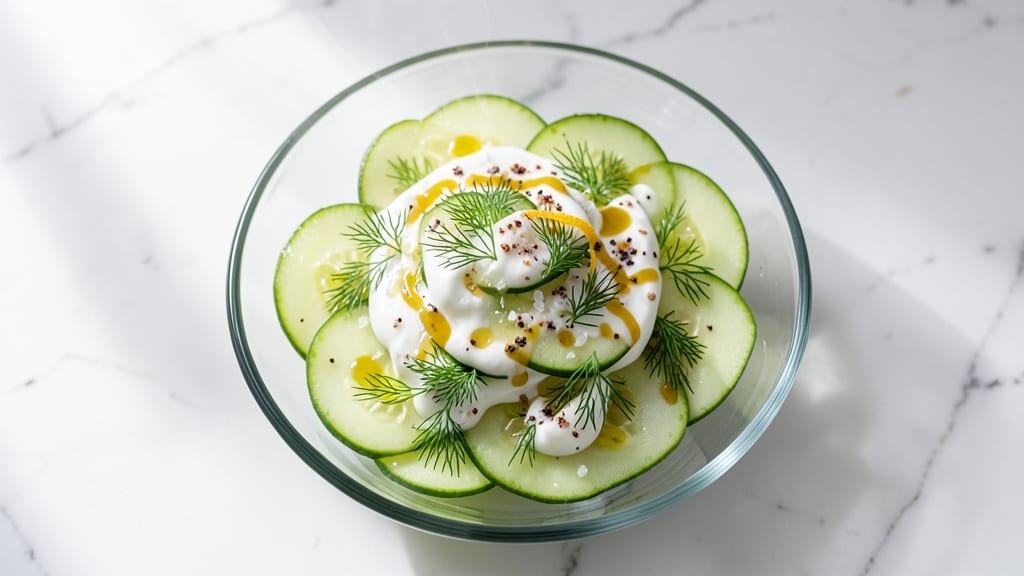
This bariatric cucumber salad recipe delivers the perfect balance of hydration, protein, and gentle crunch for post-surgery nutrition. ✨ Designed specifically for easy digestion, it skips skins and seeds while maximizing nutrient density in every bite—ideal for those following strict portion guidelines after bariatric surgery.
The secret lies in its simple yet strategic ingredients: finely diced cucumber (peeled for easier digestion), high-protein Greek yogurt instead of mayonnaise, and a touch of lemon for brightness without added sugar.
I developed this recipe after working with nutritionists to ensure it meets the protein and hydration needs of bariatric patients while staying gentle on sensitive stomachs.
What makes this salad special is its versatility across dietary stages—whether you're in the liquid phase or progressing to soft foods, this recipe adapts with minimal adjustments. The texture remains satisfyingly crisp yet easy to chew, and the portion size fits comfortably within typical bariatric serving recommendations.
Perfect for meal prep or a quick lunch option, this salad provides hydration through cucumber's high water content while delivering essential nutrients in a format designed for optimal digestion. Let's get started with a recipe that supports both your nutritional goals and your recovery journey.
Ingredients for bariatric cucumber salad
These carefully selected ingredients create a nutrient-dense, digestion-friendly salad perfect for bariatric recovery.
| Ingredient | Amount | Notes |
|---|---|---|
| Cucumber 🥒 | 2 medium | Peeled, seeded, finely diced |
| Non-Fat Plain Greek Yogurt 🥛 | ½ cup | High-protein, unsweetened |
| Fresh Lemon Juice 🍋 | 1 tbsp | Freshly squeezed, strained |
| Extra-Virgin Olive Oil 🫒 | ¼ tbsp | Light, for gentle flavor |
| Fresh Dill 🌿 | 1 tbsp | Finely chopped, stems removed |
| Diamond Crystal Kosher Salt 🧂 | ¼ tsp | Fine grain, for seasoning |
| Freshly Ground Black Pepper 🌶️ | ⅛ tsp | Lightly applied |
| Iceberg Lettuce 🥬 | 1 cup | Shredded, for bedding |
| Fresh Chives 🌱 | 1 tbsp | Finely chopped, for garnish |
| Unsweetened Almond Milk 🥛 | 2 tbsp | For optional creaminess |
The cucumber selection is critical—opt for organic varieties when possible to minimize pesticide exposure, which can be harder on sensitive stomachs. Whole Foods Market or Trader Joe's carry consistently high-quality cucumbers, but any firm, seedless variety works. Peeled and finely diced cucumbers reduce fiber content while maintaining hydration—essential for bariatric patients. For extra safety, rinse thoroughly under cold water before dicing. The Greek yogurt should be non-fat and unsweetened to align with post-surgery protein needs without added sugars that may irritate digestion. Fage 0% or Chobani Non-Fat are reliable brands that meet these criteria consistently.
No fresh dill? Dried dill at one-third the amount works in a pinch, though fresh provides superior flavor without added fillers. The lemon juice can be substituted with bottled lemon juice if fresh isn't available, though it lacks the same brightness. For those needing even lower fat content, the olive oil can be omitted entirely—just increase the almond milk by 1 extra tablespoon to maintain creaminess. The iceberg lettuce is chosen for its gentle texture; romaine or butter lettuce are also suitable alternatives. All ingredients should be prepped immediately before serving to preserve crispness and nutrient integrity, as oxidation can degrade delicate components like cucumber and lemon.
This salad holds well in the fridge for up to 2 days when stored in an airtight container, though texture begins to soften after 12 hours. For meal prep, portion into small, single-serving containers to maintain freshness and portion control. The dressing components (yogurt, lemon, olive oil) can be pre-mixed and stored separately for up to 3 days, then combined just before serving. Freezing isn't recommended due to texture changes in the cucumber and lettuce, but the dressing component alone can be frozen for up to 1 month if needed for future use. Always serve chilled to enhance digestion and flavor perception.
Why You'll Love This Recipe
- No-Chop, No-Sweat: I swear by this trick—just slice the cucumbers into thick half-moons (no seeds, no fuss) and toss them straight into the bowl. The Greek yogurt does all the work, blending into that tangy, creamy dressing while I’m still peeling the lemons.
- Bright & Tangy Magic: That lemon juice cuts through the richness of the yogurt like a summer breeze, while the olive oil keeps it silky without overpowering. Honestly, the dill? It’s the secret—fresh, bright, and just enough to make this taste like a Mediterranean vacation in a bowl.
- Meal Prep MVP: I make a big batch on Sundays and keep it in the fridge for days—perfect for lunches, potlucks, or even as a side for grilled fish. The yogurt dressing keeps it fresh longer than store-bought salads, and it’s still light enough to enjoy without guilt.
- Budget-Friendly Freshness: Cucumbers and dill are dirt cheap, and a tub of Greek yogurt lasts me weeks. Between us, this salad costs less than half of what I’d spend on pre-made options, and it’s way more satisfying. Plus, the olive oil adds richness without breaking the bank.
Step-by-step instructions for bariatric cucumber salad
This light, protein-rich salad delivers crisp texture and gentle digestion—perfect for bariatric needs.
👨🍳 Step 1: Prepare the Cucumber Base
Start with the 2 medium cucumbers—peel them using a vegetable peeler, then slice them in half lengthwise. Scoop out the seeds with a spoon, leaving you with clean, pale flesh. Chop the cucumber into finely diced pieces, about ¼-inch cubes. Place them in a large mixing bowl immediately after chopping to prevent browning.
Here's the thing—browning cucumbers release bitterness. To prevent this, I like to sprinkle the diced cucumbers with ½ teaspoon of the fresh lemon juice right away. This also kickstarts the flavor infusion. Let the cucumbers sit for 5 minutes while you prepare the remaining ingredients. The acidity will help tenderize the texture slightly while keeping it crisp.
🥘 Step 2: Create the Light Dressing
In a small bowl, combine the 0.5 cup non-fat plain Greek yogurt, 1 tablespoon fresh lemon juice, 0.25 tablespoon extra-virgin olive oil, 1 tablespoon finely chopped fresh dill, 0.25 teaspoon Diamond Crystal kosher salt, and 0.125 teaspoon freshly ground black pepper. Use a fork to whisk until smooth—you want a thick, creamy consistency that will cling to the cucumber without overwhelming its natural crunch.
I always taste the dressing before combining with the cucumbers. The yogurt should be tangy but not sour, and the dill should be bright and aromatic. If the dressing seems too thick, add 1 teaspoon of unsweetened almond milk at a time until it reaches a pourable yet coatable texture. This ensures the salad stays light while providing that satisfying creaminess that's gentle on digestion.
🥗 Step 3: Assemble the Salad
Add the shredded 1 cup iceberg lettuce to the bowl with the cucumbers. The lettuce acts as a bed that keeps the salad crisp and prevents the cucumbers from becoming soggy. Pour the dressing over the cucumber-lettuce mixture and gently toss everything together with a large spoon or clean hands. Work quickly but carefully to avoid bruising the lettuce or over-mixing the cucumbers, which can turn them mushy.
This is where the texture magic happens. The high-protein yogurt dressing coats the cucumbers without coating your stomach—ideal for bariatric diets. Let the salad sit for 10 minutes before serving. This brief resting period allows the flavors to meld while maintaining the crunch. The acidity from the lemon will brighten the cucumbers, and the dill will add fresh herbal notes that complement the mild lettuce.
🍽️ Step 4: Garnish and Serve
Just before serving, sprinkle the salad with 1 tablespoon finely chopped fresh chives and a pinch of additional kosher salt if needed. The chives add a delicate oniony flavor that pairs beautifully with the cucumber's clean taste. Serve immediately while the lettuce is still crisp and the cucumbers retain their refreshing crunch.
For bariatric-friendly presentation, divide the salad into 4 equal portions—this ensures balanced protein and fiber distribution. The high water content from the cucumbers and lettuce helps with hydration, while the Greek yogurt provides a gentle protein source that's easy to digest. This salad isn't just light; it's thoughtfully designed to support digestive comfort while delivering satisfying texture.
Pro Tips For Making Bariatric Cucumber Salad
- CHILL THE CUCUMBERS: Toss your sliced cucumbers in ice water for 10 minutes before draining—this removes excess moisture so your salad stays crisp, not soggy. I used to skip this and end up with a watery mess; trust me, the effort pays off.
- USE THICK GREEK YOGURT: Grab the thickest non-fat Greek yogurt you can find—it’s the non-negotiable base for creaminess without bulk. Thin yogurt turns this salad into a drink, and no one wants that.
- SALT THE CUCUMBERS FIRST: Sprinkle a pinch of salt on the cucumbers and let them sit for 5 minutes before draining. This draws out bitterness and makes the lemon and dill flavors pop—my grandmother swore by this, and she was right.
- DILL IN STAGES: Chop half the dill finely for blending into the yogurt dressing, and reserve the rest for topping. This balances flavor without overwhelming the salad—plus, the fresh garnish looks (and tastes) like you put in real effort.
Storing and reheating your bariatric cucumber salad
Fridge Storage Tips
Store your bariatric cucumber salad in an airtight container with a lid to maintain freshness and prevent oxidation. I recommend using glass containers (like Pyrex) because they don’t absorb odors and keep ingredients crisp longer.
Place it in the refrigerator at 40°F or below—this salad stays fresh for up to 2 days when properly sealed. The key is to minimize air exposure, which can make the cucumbers soggy. 🥒
For portion control, divide the salad into 4 single-serving containers immediately after assembly. This makes it easy to grab just what you need without over-serving. I like to use small, stackable containers from Rubbermaid—they’re bariatric-friendly and keep everything organized in the fridge.
Freezing Considerations
This salad isn’t ideal for freezing because the cucumber and lettuce will turn mushy when thawed. However, you can freeze the dressing component separately for up to 1 month. Store it in a freezer-safe bag or small container, leaving ½ inch of headspace for expansion.
When ready to use, thaw overnight in the fridge and mix with fresh cucumber and lettuce just before serving. 🧊
Reheating Safely
While this salad is best served fresh, if you need to reheat a portion, do so gently to preserve texture. Place the container in a microwave-safe bowl and heat on low power (30%) for 30-45 seconds.
Stir halfway through to ensure even heating. Avoid reheating above 140°F—higher temperatures can break down the delicate textures. For stovetop reheating, use a steamer basket over simmering water for 2-3 minutes.
Meal Prep Strategy
Prep the dressing and cucumber separately if you’re meal prepping for multiple days. Store the dressing in one container and the cucumber-lettuce mix in another. When ready to eat, combine them—this keeps everything crisp. I often pre-mix the dressing the night before and store it in the fridge.
The day of serving, I quickly assemble the salad and enjoy it immediately for the best texture. This method saves time and ensures you always have a fresh-tasting meal. ✨
Serving Temperature
Serve this salad chilled for optimal digestion and flavor. The cold temperature helps soothe the digestive system, which is especially important for bariatric patients. If you’re serving it at room temperature, place it in the fridge for at least 30 minutes before eating to ensure it’s properly cooled.
The contrast of cold ingredients also enhances the refreshing flavors, making each bite more satisfying. 💡
Nutrition facts
Frequently asked questions
Can I use regular cucumbers or do I need organic ones?
For bariatric digestion, organic cucumbers are ideal since they have fewer pesticides that might irritate sensitive stomachs. However, if organic isn't available, thoroughly rinse conventional cucumbers under cold water before peeling and dicing. The peeling removes most surface contaminants while also reducing fiber content—important for easy digestion after surgery.
How can I make this salad higher in protein without adding calories?
Swap the Greek yogurt for non-fat cottage cheese blended with lemon juice—it adds 12g protein per ½ cup while keeping calories low. For extra protein, sprinkle with 1 tablespoon nutritional yeast (2g protein) or finely chopped hard-boiled egg whites (3g protein per white). Both options maintain the salad's gentle texture.
What if I'm in the liquid phase after surgery?
Blend the cucumber, Greek yogurt, lemon juice, and a splash of almond milk until completely smooth. Strain through a fine-mesh sieve to remove any pulp. Serve chilled—this version provides hydration and protein while being easy to swallow. Aim for ½ cup portions to match typical liquid phase guidelines.
Can I add other vegetables to this salad?
Stick to low-fiber, easily digestible veggies like shredded carrots (peeled) or finely diced bell peppers (removed from skin). Avoid raw onions, tomatoes, or cruciferous vegetables—they can cause bloating. If adding carrots, cook them briefly to soften the texture before mixing with the cucumber.
Why does the recipe call for peeled cucumbers?
Peeling removes the tough skin and some seeds, which can be difficult to digest post-surgery. The pale flesh is gentler on your stomach while still providing hydration. For extra safety, you can also blend the cucumber into a smooth puree if needed—just