
Salads
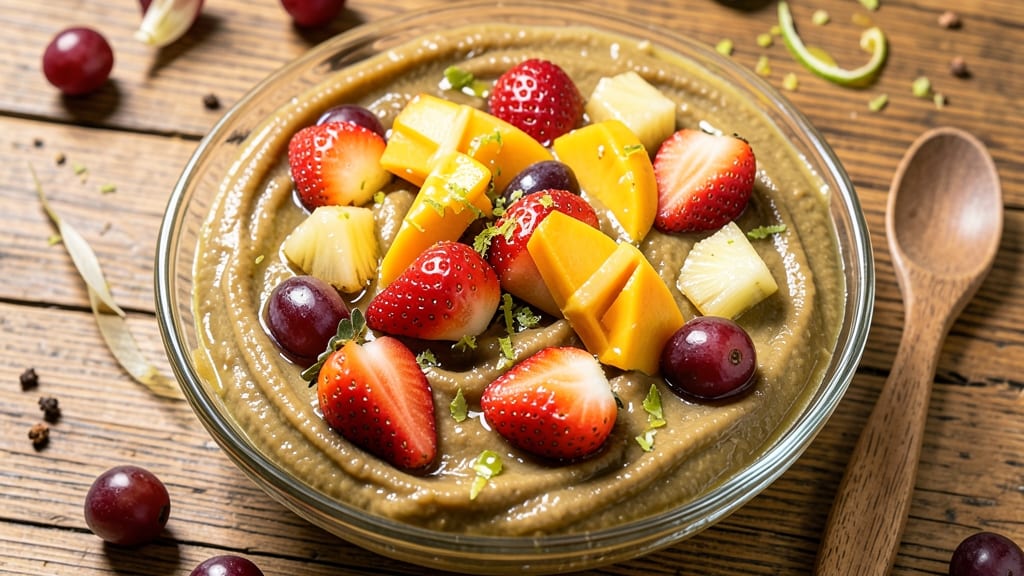
This avocado and fruit salad recipe transforms simple ingredients into a vibrant, creamy masterpiece that balances rich textures with bright tropical flavors. The secret lies in perfectly ripe avocado—creamy yet firm enough to hold its shape—paired with crisp fruits that add refreshing crunch and natural sweetness.
I developed this recipe after years of experimenting with vegan salads that actually deliver on freshness without relying on heavy dressings or artificial ingredients.
The magic happens in the preparation: avocado is sliced into thick, even pieces to prevent browning, while fruits like mango, pineapple, and berries are cut into bite-sized chunks for balanced texture.
A zesty citrus-lime dressing ties everything together—no dairy, no honey—just fresh lime juice, a touch of agave, and aromatic cilantro for depth. This isn’t just a salad; it’s a restaurant-quality dish that feels light yet satisfying, perfect for brunch or a refreshing lunch.
What you’ll end up with is a visually stunning bowl where creamy avocado contrasts with juicy, crisp fruits and a glossy dressing that clings to every bite. The colors pop—emerald green, golden yellow, ruby red—making it as beautiful as it is delicious.
The best part? It comes together in just 15 minutes, with ingredients you likely already have on hand. This is the kind of salad that makes healthy eating feel indulgent.
Serve it chilled for maximum freshness, or let it sit at room temperature for 10 minutes before serving to allow flavors to meld. Garnish with toasted coconut flakes or fresh mint for an extra layer of texture and aroma.
Whether you’re hosting a gathering or treating yourself to a light meal, this recipe delivers creamy, vibrant perfection every time.
Ingredients for avocado and fruit salad
Twelve ingredients for a restaurant-quality salad that balances creamy avocado with tropical fruit brightness.
| Ingredient | Amount | Notes |
|---|---|---|
| Ripe Avocados 🥑 | 2 whole | Firm yet yielding, pitted and sliced |
| Ripe Mango 🍈 | 1 whole | Peeled, diced into 0.5-inch cubes |
| Fresh Pineapple 🍍 | 1 cup | Cubed, juicy core removed |
| Strawberries 🍓 | ½ lb | Hulled, quartered |
| Red Seedless Grapes 🍇 | ½ cup | Halved, seeds removed |
| Fresh Lime Juice 🍋 | ¼ cup | Strained, no pulp |
| Organic Agave Nectar 🍯 | 2 tbsp | Pure, unfiltered |
| Fresh Cilantro 🌿 | ¼ cup | Chopped, stems removed |
| Extra-Virgin Olive Oil 🫒 | 1 tbsp | Light, fruity variety |
| Sea Salt 🧂 | ½ tsp | Fine grain, Diamond Crystal preferred |
| Toasted Coconut Flakes 🥥 | 2 tbsp | Unsweetened, for garnish |
| Fresh Mint Leaves 🌱 | ⅛ cup | Torn, for garnish |
The avocados are non-negotiable—Hass variety works best, with skin yielding slightly to gentle pressure but not mushy. Look for organic avocados at Whole Foods or your local farmers' market for optimal ripeness; they'll have that rich, buttery texture without browning. Mango and pineapple should be ripe but firm, with no soft spots or fermented smells. Strawberries should be firm and vibrant red, not dull or overly soft. For the cilantro, avoid the wilted plastic-bagged stuff—fresh bunches from the produce section or a Latin market will give you the brightest flavor. The coconut flakes should be unsweetened and toasted—check the baking aisle for the best quality.
No ripe avocados? Use firm ones and let them sit at room temperature for 24 hours before slicing. Substitute mango with ripe papaya or peaches for similar sweetness. Pineapple too expensive? Canned pineapple in juice, drained works in a pinch (just skip the coconut garnish). For the dressing, maple syrup can replace agave at a 1:1 ratio, though agave has a cleaner finish. Fresh lime juice unavailable? Bottled lime juice with no added sugar is fine, but add a pinch more salt to balance. The cilantro is essential for that fresh aroma—skip it only if you're allergic.
Avocado slices brown fast, so toss them with lime juice immediately after cutting. Store all prepped ingredients separately in airtight containers in the fridge for up to 2 days. Assemble just before serving. For maximum freshness, serve chilled, but let it sit at room temperature for 10 minutes before serving to meld flavors. The dressing keeps for 5 days in the fridge—shake well before using. Garnishes like coconut flakes and mint can be stored in a sealed container for 1 week in a cool, dry place.
Why You'll Love This Recipe
- No-Chop Chaos Allowed: I swear, this salad comes together faster than a grocery run—just slice the avocado, cube the mango, and toss the rest. The grapes and strawberries stay whole, so even my "I can't cut a tomato" friends can help.
- Tropical Creamy Magic: That avocado-mango combo is where it gets wild—rich and smooth, but the pineapple’s tang cuts through like a bright spotlight. Honestly, I’ve never met a fruit salad that didn’t taste like a vacation.
- Lunchbox to Party Star: Pack it for work (it won’t get soggy) or serve it at a picnic—no one will guess it’s just fruit. Between us, I’ve used it as a topping for tacos, a side for grilled fish, and even a fancy dessert base. It’s that adaptable.
Step-by-step instructions for avocado and fruit salad
This method balances rich avocado creaminess with vibrant tropical flavors for a refreshing, restaurant-quality salad.
Prepare the Avocado Base
Cut the 2 whole ripe avocados in half lengthwise, remove the pits, and scoop the flesh into a medium bowl. Using a fork, mash the avocado until completely smooth with no visible chunks—this creates the creamy foundation. The texture should resemble thick whipped cream.
Add the 0.25 cup fresh lime juice, 2 tablespoons organic agave nectar, and 0.5 teaspoon sea salt to the mashed avocado. Stir vigorously for 30 seconds to emulsify the mixture. This step prevents separation and enhances the bright citrus notes that cut through the avocado's richness. The salad should smell tangy and fresh at this stage.
Combine the Fruit Elements
In a separate large bowl, gently combine the 1 whole ripe mango (diced), 1 cup fresh pineapple (cubed), 0.5 pound strawberries (quartered), and 0.5 cup red seedless grapes (halved). Avoid overmixing—toss just enough to distribute the fruit evenly while preserving their individual textures and colors.
This arrangement creates visual contrast: the deep green avocado base against the vibrant yellow mango, red strawberries, and purple grapes. The fruit should look fresh and juicy, with no wilting or bruising. If any fruit appears overly soft, reduce the quantity slightly to maintain structural integrity.
Fold in the Creamy Avocado Mixture
Using a spatula, gently fold the avocado mixture into the fruit bowl, reserving about 2 tablespoons of the avocado base for garnish. Work in small batches to maintain even distribution without crushing the fruit. The final texture should be creamy yet light, with fruit pieces still visible throughout.
Add the 0.25 cup chopped fresh cilantro and 1 tablespoon extra-virgin olive oil, stirring lightly to combine. Taste and adjust seasoning with additional lime juice or agave nectar if needed. The balance should be sweet, tangy, and slightly salty—each bite should deliver both creamy avocado and bright fruit flavors.
Garnish and Serve Immediately
Transfer the salad to a serving platter or individual bowls. Drizzle the reserved avocado mixture in a zigzag pattern over the top, then sprinkle with the 2 tablespoons toasted coconut flakes and 0.125 cup torn fresh mint leaves. The presentation should showcase the colorful fruit against the creamy avocado base.
Serve immediately for optimal texture and flavor. The salad's creamy avocado component will begin to oxidize within 30 minutes, so preparation just before serving ensures the best mouthfeel. This dish pairs beautifully with grilled fish or as a refreshing standalone appetizer.
Pro Tips For Making Avocado And Fruit Salad
- CHOP GRAPES LAST: I learned this the hard way—adding grapes too early means they’ll turn mushy and release bitter juice into the salad. Toss them in just before serving, or at least 10 minutes before eating, so they stay plump and sweet.
- DRESS AVOCADOS IMMEDIATELY: Avocados oxidize fast, even in a salad. Cut them, sprinkle with lemon juice, and toss with a pinch of salt right away. If you’re prepping ahead, store them in a sealed container with a paper towel to soak up excess moisture—it’ll keep them from turning brown for up to 2 hours.
- SKIP THE PINEAPPLE JUICE: Fresh pineapple’s acidity breaks down the avocado’s texture, turning it grainy. Use canned pineapple (drained well) or frozen chunks thawed and patted dry instead—it keeps the avocado creamy and the flavors bright without the mush.
- CUT MANGO IN STRIPS: Cubes get lost in the salad, but thin strips hold their shape and add visual appeal. Peel, remove the pit, then slice lengthwise into ¼-inch strips—it’s faster than dicing and makes every bite more satisfying. (Yes, even if you’re impatient like me.)
Storing and reheating this recipe
Avocado Freshness Key
Avocado is the star here, so handle it with care to prevent browning. After slicing, immediately toss avocado pieces with 1 tablespoon lime juice in a sealed container. This acidic barrier slows oxidation, keeping your salad vibrant for up to 2 days in the fridge.
For maximum freshness, store avocado pieces submerged in cold water in an airtight container—this extends freshness by 1 extra day. 🥑
Prepped Fruit Storage
Cut fruit stays freshest when stored separately in airtight containers. Mango, pineapple, and strawberries will last 3-4 days in the fridge, while grapes hold up best for 5 days. Keep them dry to prevent sogginess—pat each piece gently with a paper towel before storing.
For tropical fruits like mango and pineapple, a sprinkle of ½ teaspoon citric acid (found in baking aisles) can preserve color for an extra day.
Dressing Longevity
The lime-cilantro dressing keeps for 5 days in the fridge, but its flavor peaks within 3 days. Store it in a small glass jar with a tight-sealing lid. To maintain freshness, add 1 extra teaspoon lime juice when storing.
Shake vigorously before using—separation is normal, but the dressing will re-emulsify when mixed. For longer storage, freeze the dressing in ice cube trays for up to 1 month; thaw overnight in the fridge before using.
Room-Temp Service
For best flavor melding, let the assembled salad sit at room temperature for 10-15 minutes before serving. This allows the avocado's natural oils to soften slightly and the lime's acidity to mellow, creating a more cohesive texture.
Avoid leaving it out longer than 20 minutes—avocado oxidizes faster at room temperature, and tropical fruits can become overly soft. Serve on a chilled platter to maintain that refreshing bite. ✨
Reheating (If Necessary)
While this salad is best fresh, you can gently reheat portions if needed. Place individual servings in a microwave-safe bowl and heat for 20-30 seconds on 50% power. Add 1 teaspoon water to prevent drying.
For stovetop reheating, warm in a nonstick skillet over low heat for 1-2 minutes, stirring constantly. The avocado will soften further, losing some texture contrast—but the flavors remain vibrant. This method works best for leftovers stored for 1-2 days.
Freezing Components
While not ideal for the full salad, you can freeze individual components for future use. Avocado freezes poorly due to texture changes, but you can freeze the dressing (without cilantro) for 1 month.
For fruit, freeze mango, pineapple, and strawberries separately in single layers on a tray before transferring to a freezer bag. Thaw overnight in the fridge before assembling—this preserves texture better than quick thawing. Grapes freeze beautifully for smoothies but become mushy when thawed for salads. 💫
Nutrition facts
Frequently asked questions
Why does my avocado turn brown even after adding lime juice?
Avocado oxidizes when exposed to air, even with lime juice. For best results, toss avocado slices with 1 tablespoon lime juice and store in an airtight container with plastic wrap pressed directly on the surface. Use within 2 days for optimal color and texture. If browning occurs, simply scrape off the top layer—the creamy interior remains safe to eat.
Can I substitute any of the fruits in this recipe?
Swap mango for ripe papaya or peaches for similar sweetness, or use kiwi or berries for tartness. Pineapple can be replaced with cantaloupe or honeydew, while grapes work well with blueberries or pomegranate seeds. Just maintain a balance of textures—keep at least one soft fruit (like mango) and one crisp fruit (like grapes) for contrast.
How do I make this salad ahead of time without it getting soggy?
Prep all ingredients separately and store them in airtight containers in the fridge. Keep the avocado base and dressing separate from the fruit until ready to serve. Assemble just before eating to maintain crispness. For longer storage (2 days), store fruit pieces on a paper towel-lined plate to absorb excess moisture. The avocado base can be made 1 day ahead—just add extra lime juice when storing.
Is this salad suitable for people with nut allergies?
Yes, this recipe is naturally nut-free! However, always double-check your toasted coconut flakes label, as some brands process in facilities with nuts. For a completely safe alternative, omit the coconut or use crushed unsweetened coconut flakes that are certified nut-free. The dressing and all other ingredients are inherently allergy-friendly.
What's the best way to serve this salad for a party?
For a crowd, prep all components separately in large bowls and set up a DIY salad station. Provide small bowls for the avocado base, dressing, and garnishes (coconut, mint) so guests can assemble their own portions. Use a chilled platter and serve with small scoops or spoons to keep the avocado from oxidizing. This approach also lets guests customize their preferred fruit-to-creamy ratio.