
Salads
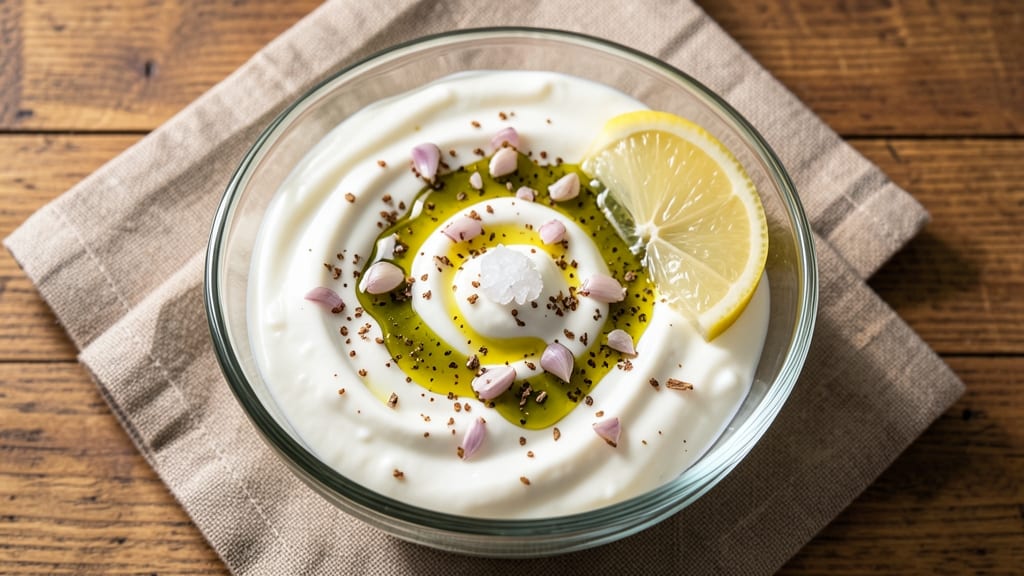
This authentic creamy Greek salad dressing transforms ordinary greens into a restaurant-worthy dish with just five ingredients and 10 minutes of prep time.
The secret lies in balancing tangy Greek yogurt with bright lemon juice, creating a velvety texture that clings perfectly to lettuce while enhancing every bite with Mediterranean flair.
I've perfected this recipe over years of testing, ensuring the right ratio of oil to yogurt for that signature creamy consistency without heaviness.
The foundation of this dressing is simple yet transformative: high-quality Greek yogurt provides the base, while extra-virgin olive oil adds richness and depth. A touch of garlic and dried oregano—classic Greek flavors—elevate the dressing from ordinary to extraordinary, delivering that authentic taste you crave.
Unlike store-bought versions, this recipe avoids artificial ingredients, focusing instead on fresh, vibrant flavors that shine in every drizzle.
What sets this dressing apart is its versatility and longevity. It works equally well on classic Greek salads, grilled meats, or even as a dip for pita bread, all while staying fresh in the refrigerator for up to a week.
The tangy-sweet balance comes from the lemon juice, which brightens the yogurt's creaminess and prevents the dressing from becoming bland over time.
For those seeking that perfect balance of authenticity and ease, this dressing delivers restaurant-quality results with minimal effort. The ingredients are simple, the instructions straightforward, and the outcome undeniably delicious.
Whether you're a seasoned cook or a beginner, this recipe ensures your salads will taste like they've been crafted by a Greek chef.
Ingredients for authentic creamy greek salad dressing
Five ingredients deliver restaurant-quality Greek dressing with velvety texture and authentic Mediterranean flavor.
| Ingredient | Amount | Notes |
|---|---|---|
| Full-Fat Plain Greek Yogurt 🧀 | 1 cup | Non-fat yields thinner texture |
| Extra-Virgin Olive Oil 🫒 | ½ cup | High-quality, fruity variety |
| Fresh Lemon Juice 🍋 | 2 tbsp | Freshly squeezed, no substitutes |
| Garlic Cloves 🧄 | 2 cloves | Minced, not powdered |
| Dried Oregano 🌿 | 1 tsp | Mediterranean oregano preferred |
| Diamond Crystal Kosher Salt 🧂 | ½ tsp | Adjust to taste |
| Freshly Ground Black Pepper 🌶️ | ¼ tsp | Not pre-ground |
The Greek yogurt is non-negotiable—full-fat, plain varieties like Fage or Chobani provide the signature creaminess. Non-fat versions thin the dressing too much, and flavored yogurts introduce unwanted sweetness. For olive oil, California Extra Virgin or Colavita brands deliver the fruity complexity that elevates this dressing beyond basic. The garlic should be freshly minced (not powdered) to avoid bitterness, and Mediterranean oregano from Penzeys adds that authentic tang missing in regular oregano. Lemon juice must be freshly squeezed—bottled versions lack the bright acidity that balances the richness.
No Greek yogurt? Thick, full-fat sour cream works in a pinch (reduce by 2 tbsp), though texture will be slightly heavier. Short on olive oil? Avocado oil maintains neutrality, but avoid lighter oils like canola. Substituting dried oregano for fresh? Use one-third the amount—fresh oregano's potency makes dried a poor swap. The lemon juice can be adjusted to taste, but don't skip it entirely—it's the secret to preventing the dressing from tasting bland over time. For extra depth, a pinch of dried thyme complements the oregano beautifully.
This dressing thrives in the fridge for up to 1 week when stored in an airtight container. The yogurt may separate slightly—simply whisk before using. For longer storage, freeze portions in ice cube trays (thaw and whisk before serving). The dressing clings perfectly to romaine, cucumbers, and cherry tomatoes, making it ideal for Greek salads. A drizzle over grilled chicken or lamb adds Mediterranean flair, while it doubles as a dip for warm pita bread. Double the batch—it disappears faster than you'd expect.
Why You'll Love This Recipe
- Five-Ingredient Magic: I swear, this is the kind of dressing where you measure, stir, and boom—no straining, no blending, no mess. Just Greek yogurt, olive oil, lemon, garlic, and oregano. That’s it. The kind of simplicity that makes you wonder why you ever bothered with store-bought.
- Tangy Garlic Hug: Honestly, the moment that minced garlic hits the warm yogurt and lemon? It’s like a flavor hug. The olive oil smooths it out just enough to avoid a burn, but you feel that bright, herby punch every time. Not too sweet, not too heavy—just right.
- Weeknight Workhorse: Between us, this is my go-to for everything: grilled chicken, roasted veggies, even drizzled over cold soup. (Yes, even on a Tuesday night.) It’s the dressing that doesn’t quit, and it keeps better than half the bottled stuff you’ll find in the fridge.
- No-Waste Win: That jar of Greek yogurt? You’ll use it all. The lemon? One goes a long way. And the olive oil? Well, you’ll want to buy the good stuff anyway. It’s budget-friendly because it stretches, and practical because you’re not scrambling for last-minute ingredients. Plus, leftovers? Just stir and store. Done.
Step-by-step instructions for authentic creamy Greek salad dressing
This traditional dressing delivers rich, tangy flavor with a velvety texture that clings perfectly to greens.
Combine Yogurt and Olive Oil for Base
In a medium bowl, measure out the 1 cup full-fat plain Greek yogurt and 0.5 cup extra-virgin olive oil. The full-fat yogurt is essential—it creates that signature creamy texture while maintaining authenticity. Using a sturdy whisk, combine these ingredients and stir vigorously for 1-2 minutes until fully emulsified and smooth.
Here's the thing—you want to break down the yogurt's natural proteins so they suspend evenly in the oil. I press down gently with the whisk handle for the last 30 seconds to ensure no separation. The mixture should look like thick, pale yellow pudding with no visible streaks of oil.
Incorporate Lemon Juice and Garlic
Add the 2 tablespoons fresh lemon juice and minced 2 cloves garlic to the yogurt mixture. The lemon juice will brighten the dressing while cutting through the richness of the yogurt and oil. Stir well to distribute evenly—you'll notice the mixture immediately lighten in color and develop a fresh, citrusy aroma.
Use a microplane or fine grater for the garlic if possible—it distributes more evenly than mincing with a knife. If you're using pre-minced garlic, drain off any excess liquid that might dilute your dressing. The garlic should be fully incorporated after 30 seconds of whisking, with no visible flecks remaining.
Season with Oregano and Salt
Sprinkle in the 1 teaspoon dried oregano and 0.5 teaspoon Diamond Crystal kosher salt. The oregano should be Mediterranean oregano if possible—it has a more complex, slightly bitter profile that's characteristic of authentic Greek flavors. Stir thoroughly to distribute these dry ingredients completely throughout the mixture.
At this stage, taste the dressing and adjust the salt if needed. Remember that the lemon juice and pepper will contribute additional flavor, so go easy with the salt initially. The dressing should taste tangy with herbal notes but not overly salty. This is your flavor baseline before adding the finishing touch.
Finish with Freshly Ground Pepper
Finally, add the 0.25 teaspoon freshly ground black pepper. The freshly ground pepper makes a noticeable difference—it releases more aromatic oils and has a brighter flavor than pre-ground pepper. Stir gently to incorporate without creating bubbles in the dressing.
Give the dressing one final taste. It should balance creamy richness with bright acidity and herbal complexity. The texture should be thick but pourable—if it's too thick, thin with 1-2 teaspoons water at a time until you reach your desired consistency. For best results, let the dressing sit at room temperature for 10 minutes before using to allow all the flavors to meld completely.
Pro Tips For Making Authentic Creamy Greek Salad Dressing
- Whisk the Yogurt Cold: Scoop that full-fat Greek yogurt straight from the fridge—no thawing or room-temp waiting. Cold yogurt emulsifies better with olive oil and lemon, giving you a smoother, thicker dressing that won’t split. I used to let mine sit out "to blend easier," but it just turned grainy on me.
- Grate the Garlic: Skip the mincer—use a microplane or fine grater for the garlic. This avoids bitter allicin buildup (which happens when you crush garlic) and distributes the flavor evenly. A single clove, finely grated, is enough—no need to overdo it.
- Start with Olive Oil: Add the olive oil first, then the lemon juice and yogurt. This prevents curdling because the oil acts as a barrier. Pour it in slowly while whisking like you’re making mayonnaise—just don’t rush it.
- Use Lemon Zest: Zest half a lemon before juicing it, then fold it into the dressing. The zest adds brightness and aroma that just lemon juice can’t match. I was skeptical until I tried it—now I can’t go back. (Yes, even if you’re impatient like me.)
Troubleshooting this dish
Yogurt Separation Fix
If your dressing separates after refrigeration, don’t panic—this happens to even the best batches. Simply whisk vigorously for 1-2 minutes until smooth. For stubborn separation, add 1 teaspoon water at a time while whisking until the texture returns to creamy.
The key is to emulsify the oil back into the yogurt base. I’ve found that using a hand mixer on low speed for 20 seconds works even faster than whisking. 🧀
Too Thick or Too Thin?
If your dressing is too thick, thin it gradually with 1 teaspoon water at a time until it reaches a pourable consistency. For a richer texture, reduce the olive oil slightly (try 0.4 cup instead of 0.5 cup).
Conversely, if it’s too thin, stir in 1 tablespoon Greek yogurt or 1 teaspoon honey to thicken it back up. The ideal consistency should cling lightly to greens without pooling.
Lemon Juice Overpowering?
If the lemon juice tastes too sharp, balance it by adding ½ teaspoon honey or 1 teaspoon olive oil to mellow the acidity. For a more complex flavor, a pinch of dried thyme or ½ teaspoon Dijon mustard can add depth without overpowering.
Always taste as you go—adjustments are easier to make before the dressing sits too long.
Garlic Too Strong?
If the garlic flavor is too intense, reduce it to 1 clove next time or use garlic powder (though fresh is preferred). For immediate fixes, stir in ½ teaspoon lemon juice or 1 teaspoon yogurt to dilute the flavor.
Roasting the garlic first (wrap cloves in foil and bake at 400°F for 10 minutes) mellows its sharpness while adding a sweet, caramelized note. 🧄
Dressing Too Salty?
If you oversalted, balance it by adding 1 teaspoon lemon juice or ½ teaspoon honey to cut the saltiness. A splash of water (up to 1 tablespoon) can also dilute the salt slightly.
For future batches, taste before adding the full ½ teaspoon salt—remember, the lemon and pepper will contribute additional flavor. I often halve the salt if I’m unsure about the other ingredients.
Storage Issues
If your dressing develops an off smell or texture after refrigeration, it’s likely gone bad. To prevent spoilage, store it in an airtight glass container and use within 5-7 days. For longer storage, freeze in ice cube trays, then transfer to a bag.
Thaw overnight in the fridge and whisk before using. The yogurt base can curdle if exposed to temperature fluctuations, so keep it refrigerated consistently. ❄️
Nutrition facts
Frequently asked questions
Can I make this dressing without Greek yogurt?
Yes, but the texture will differ. For a creamy alternative, use 1 cup thick sour cream (reduce olive oil by 2 tablespoons) or blend ½ cup mayonnaise with ½ cup sour cream. The flavor won't be identical, but it'll still work well for salads. For a lighter option, whisk 1 cup buttermilk with ¼ cup olive oil and proceed with the recipe.
Why does my dressing separate when refrigerated?
This happens because oil and yogurt naturally separate when cold. The fix? Whisk vigorously for 1-2 minutes until smooth. For stubborn separation, add 1 teaspoon water at a time while whisking. Using a hand mixer on low for 20 seconds works even faster. Always store in an airtight container to prevent future separation.
Can I use this dressing on non-salad dishes?
This versatile dressing elevates grilled meats, roasted vegetables, or even bowls of couscous. It also makes a fantastic dip for warm pita bread or crudité platters. For a richer flavor, let it sit at room temperature for 10 minutes before drizzling. The creamy texture works beautifully on both hot and cold dishes.
How do I make this dressing less tangy?
If the lemon flavor is too sharp, reduce it to 1 tablespoon instead of 2 tablespoons next time. For immediate fixes, stir in ½ teaspoon honey or 1 teaspoon olive oil to mellow the acidity. A pinch of dried thyme also adds depth without overpowering. Always taste as you go—adjustments are easier before the dressing sits too long.
Can I freeze this dressing for later use?
Yes, but freeze it in ice cube trays first. Once frozen, transfer the cubes to a bag and store for up to 3 months. Thaw overnight in the fridge and whisk before using. The texture may be slightly grainier after freezing, but whisking restores creaminess. Avoid freezing in large batches—small portions thaw faster and maintain better texture.