
Salads
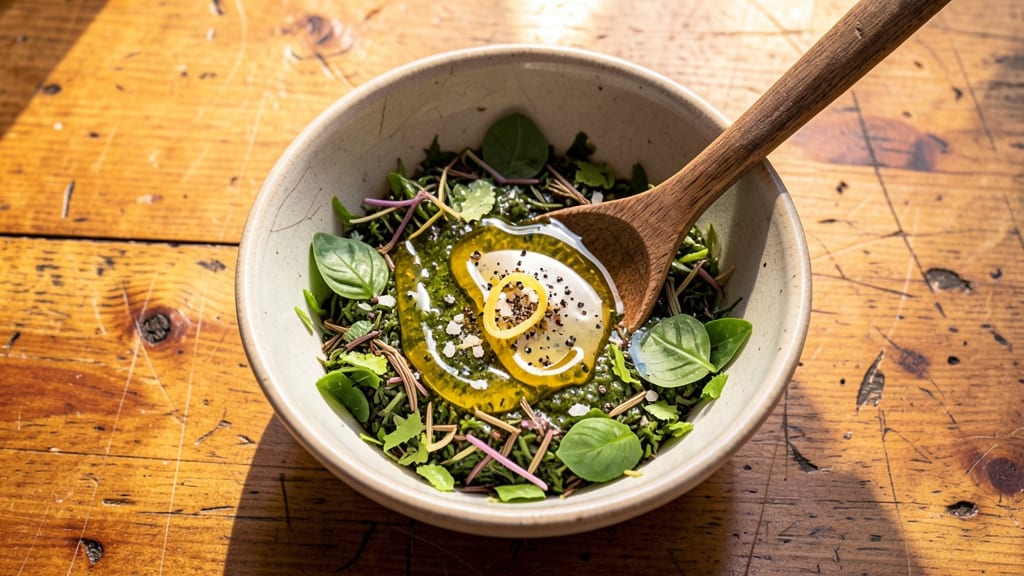
This Assaggio House salad dressing recipe transforms simple ingredients into a bright, herb-forward oil that elevates any salad. The secret lies in balancing Italian herbs with lemon zest and a touch of Dijon mustard for just the right tang.
Unlike store-bought versions, this dressing stays fresh for days and delivers that restaurant-quality flavor you crave.
The foundation is extra-virgin olive oil, which carries the vibrant flavors of fresh basil, oregano, and parsley—classic Italian herbs that add depth without overpowering. A splash of white wine vinegar brightens the mix, while lemon zest introduces a citrusy freshness that keeps the dressing from feeling heavy.
The Dijon mustard acts as a natural emulsifier, ensuring everything blends smoothly.
What makes this dressing truly special is its versatility. It works beautifully on crisp romaine, hearty kale salads, or even drizzled over grilled vegetables. The herbs stay fragrant, the lemon zest adds a subtle zing, and the olive oil provides that rich, satisfying mouthfeel.
No cooking required—just whisk and enjoy.
The best part? This dressing keeps well in the refrigerator for up to a week, so you can make a big batch and use it all week.
Whether you're prepping for meal prep or just want to elevate your lunches, this recipe delivers restaurant-quality flavor with minimal effort. Let’s get started!
Ingredients for assaggio house salad dressing
Bright Italian herbs meet zesty lemon in this restaurant-quality dressing that transforms salads instantly.
| Ingredient | Amount | Notes |
|---|---|---|
| Extra-Virgin Olive Oil 🫒 | 1 cup | High-quality, fruity variety preferred |
| Fresh Basil Leaves 🌿 | ½ cup | Packed, stems removed |
| Fresh Oregano Leaves 🌿 | ¼ cup | Italian oregano preferred |
| Fresh Parsley Leaves 🌿 | ¼ cup | Flat-leaf preferred |
| White Wine Vinegar 🍷 | 2 tbsp | Dry variety preferred |
| Lemon Zest 🍋 | 1 tbsp | Freshly grated, no pith |
| Dijon Mustard 🌶️ | 1 tbsp | Mild or medium heat |
| Granulated Sugar 🍚 | 1 tsp | Balances acidity |
| Sea Salt 🧂 | ½ tsp | Diamond Crystal preferred |
| Freshly Ground Black Pepper 🌶️ | ¼ tsp | Freshly cracked for best flavor |
The olive oil is non-negotiable here—look for extra-virgin with a harvest date within the last year. Trader Joe's or Whole Foods carry excellent options, but any reputable grocer will have a good one. For the herbs, farmers markets are ideal (they're fresher and more fragrant), but grocery store bunches work too—just pick ones with vibrant green leaves. The oregano should be Italian or Mediterranean if you can find it; the flavor is distinctly better than Mexican oregano. If you're using dried herbs, reduce to one-third the amount—they're way more concentrated than fresh.
No white wine vinegar? Apple cider vinegar works in a pinch, though it'll have a slightly different profile. Short on fresh herbs? Dried basil and oregano can substitute at one-third the quantity, but you'll lose that bright, fresh flavor. Dijon mustard unavailable? Yellow mustard in a pinch, but it won't emulsify as well. The sugar isn't for sweetness—it's to balance the acidity of the vinegar and lemon. If you're watching sugar, you can skip it entirely, but the dressing will taste sharper. For the lemon zest, use a microplane—it gives you finer, more flavorful zest than a grater.
This dressing keeps beautifully—up to 1 week in the fridge if stored in an airtight jar. The oil will separate slightly, but just whisk before using. For longer storage, freeze in ice cube trays (each cube makes about 1 tbsp) for up to 3 months. The herbs stay vibrant longer if you store them in the fridge, covered with a damp paper towel. If you make a big batch, divide it into smaller jars—it's easier to use and less wasteful. Trust me, you'll want to make this again and again.
Why You'll Love This Recipe
- Five-Ingredient Magic: I swear by this recipe because it’s that simple—just pulse basil, oregano, parsley, a splash of vinegar, and olive oil in the food processor. No measuring cups, no fuss, just toss everything in and blend until it smells like summer in a jar.
- Bright & Herby Bomb: That trio of fresh herbs—bright basil, peppery parsley, and earthy oregano—with the tang of white wine vinegar? It’s the kind of dressing that makes your greens taste like you actually cooked them, even if you just threw it together in 60 seconds.
- Weeknight & Potluck Star: Honestly, this is my go-to for everything: quick lunches, dinner salads, or even drizzled over grilled chicken. And because it’s just herbs and oil, it’s the perfect potluck side—no one will ask what’s in it, but they’ll keep coming back for more.
- Leftovers That Last: Between us, I make a big batch on Sundays and keep it in the fridge for the whole week. It doesn’t separate or get weird—just stays fresh and vibrant, ready to turn a sad bag of greens into a meal. Plus, olive oil’s cheap, so you’re not breaking the bank for flavor.
Step-by-step instructions for balanced Italian herb oil dressing
This dressing comes together in minutes but delivers restaurant-quality depth and balance.
Prepare the Herb Mixture
In a clean food processor or high-speed blender, combine the 0.5 cup fresh basil leaves, 0.25 cup fresh oregano leaves, and 0.25 cup fresh parsley leaves. Pulse until finely chopped but not completely pureed—you want visible texture, not a smooth paste. This herb blend forms the aromatic backbone of your dressing.
I like to work in batches if needed, especially with larger quantities, to ensure even blending. The herbs should be vibrant green with no large stems remaining. If using a blender, stop before it turns into a thick paste—we want visible herb flecks in the final dressing for that authentic Italian touch.
Combine Wet Ingredients
Transfer the chopped herbs to a medium mixing bowl. Add the 1 cup extra-virgin olive oil, 2 tbsp white wine vinegar, 1 tbsp lemon zest, 1 tbsp Dijon mustard, 1 tsp granulated sugar, 0.5 tsp sea salt, and 0.25 tsp freshly ground black pepper. The sugar and salt might seem unusual at first, but they're essential for balancing the acidity and enhancing the herbs' flavors.
Use a whisk to combine everything thoroughly. Start with gentle strokes to incorporate the herbs evenly, then increase to vigorous whisking for about 1-2 minutes. You're looking for a smooth, emulsified texture where the herbs are fully integrated but still visible as tiny specks. The dressing should coat the back of a spoon but remain pourable.
Rest and Emulsify
Cover the bowl with plastic wrap and let the dressing rest at room temperature for at least 30 minutes. This resting period allows the flavors to meld and the emulsion to stabilize. I often make it the night before—it actually tastes better after resting, as the herbs release more of their aromatic oils into the oil.
Before using, give the dressing a final whisk. The emulsion should hold together beautifully, with no separation. If you notice any separation after resting, simply whisk vigorously for another 30 seconds—this dressing is incredibly forgiving and will come back together. The final texture should be silky with just a hint of visible herb specks.
Adjust and Serve
Taste the dressing and adjust the seasoning if needed. Most likely, you'll want to add a tiny pinch more salt or a splash of vinegar to balance the flavors. Remember, it's easier to add more than to fix something that's too salty or too acidic. The dressing should be bright, herbaceous, and perfectly balanced between the richness of the olive oil and the acidity of the vinegar.
This dressing keeps beautifully in the refrigerator for up to 1 week in an airtight container. Give it a good shake before each use, as the herbs will naturally settle. It's perfect for any Italian-inspired salad, drizzled over roasted vegetables, or even used as a marinade for grilled meats. The lemon zest adds a bright finish that elevates every bite.
Pro Tips For Making Assaggio House Salad Dressing
- CHOP HERBS FINE: Stack basil, oregano, and parsley, then slice them lengthwise into thin ribbons with a sharp knife—this releases more flavor than tearing. I learned this the hard way when my dressing tasted like a handful of whole leaves instead of a burst of freshness.
- STIR BEFORE MEASURING OIL: Shake the olive oil bottle first; sediment settles and ruins the ratio of good oil to bitter sludge. Once, I used the bottom layer and spent the next hour wondering why the dressing tasted off—now I give it a good shake before pouring.
- DILUTE VINEGAR FIRST: Mix the white wine vinegar with a splash of water (about 1 tablespoon) before adding it to the oil—this prevents a sharp, cloying bite. My grandmother swore by this, and she was right: the flavors meld smoother when the acid isn’t hitting you like a punch.
- LET IT REST 10 MINUTES: Don’t toss the dressing on the salad immediately; wait 10 minutes so the herbs soften and the oil fully emulsifies. I was skeptical until I tried it—now the flavors are cohesive instead of a separate oil-and-vinegar mess.
Perfect pairings for assaggio house salad dressing
Salad Pairings
This dressing shines on crisp romaine lettuce—its bright acidity cuts through the richness of creamy avocado or grilled chicken. For a heartier option, try it with kale and farro salad—the dressing’s herbs complement the earthy kale and nutty farro beautifully.
I love tossing it with roasted seasonal vegetables like zucchini, bell peppers, and cherry tomatoes for a vibrant summer dish. 🥗
Protein Pairings
Use this dressing to elevate grilled chicken breast or seared shrimp skewers. The lemon zest and herbs add a fresh contrast to the smoky flavors of grilled meats. For a vegetarian option, drizzle it over marinated tofu or white beans for a protein-packed salad.
The dressing also works wonderfully with prosciutto-wrapped melon—the saltiness of the prosciutto pairs perfectly with the bright citrus notes. 🍗
Bread and Dips
This isn’t just for salads—it’s fantastic as a dipping sauce for crusty focaccia or garlic bread. The herbs and lemon zest add a refreshing twist to warm bread. I also love using it as a marinade for grilled vegetables like asparagus or eggplant, giving them a fragrant, zesty kick.
The Dijon mustard in the dressing helps tenderize the vegetables while adding depth. 🍞
Cheese and Charcuterie
Drizzle this dressing over burrata or mozzarella for a quick, elegant appetizer. The olive oil base enhances the creaminess of the cheese, while the herbs and lemon zest add a bright, fresh contrast.
It also pairs beautifully with Italian cured meats like soppressata or salami on a charcuterie board. For a fun twist, mix it with whipped ricotta for a light, herby dip. 🧀
Breakfast Boost
Start your day with this dressing on avocado toast—the lemon zest brightens the richness of the avocado, while the herbs add a savory touch. Toss it with poached eggs and microgreens for a restaurant-worthy breakfast.
It’s also great drizzled over smashed potatoes or roasted Brussels sprouts for a flavorful brunch. 🍳
Make-Ahead Tips
Make a big batch of this dressing and store it in small jars for easy grab-and-go lunches. It keeps well for up to 1 week in the fridge, so you can prep ahead for the week.
For longer storage, freeze it in ice cube trays—each cube makes about 1 tbsp of dressing, perfect for single servings. Just thaw and whisk before using. The flavors actually improve over time, so it’s worth making extra! ❄️
Nutrition facts
Frequently asked questions
Can I make this dressing without fresh herbs?
Yes, but the flavor will be less vibrant. Use one-third the amount of dried herbs (so 1 tbsp dried basil, 1 tsp dried oregano, and 1 tsp dried parsley) instead of fresh. For best results, crush the dried herbs between your fingers to release their oils before adding them to the dressing. The texture will be slightly less fresh, but it’ll still taste delicious!
Why does my dressing separate after resting?
Separation happens when the emulsion breaks, usually from not whisking enough or using too much vinegar. Simply whisk vigorously for 30 seconds before using—this dressing is very forgiving! For extra stability, add 1 tsp honey or 1 extra tbsp olive oil to help bind the ingredients. Always store it in an airtight container to prevent separation over time.
How can I make this dressing spicier?
Add ½ tsp red pepper flakes or 1 tsp hot sauce to the base ingredients before whisking. For a smoky kick, include ½ tsp smoked paprika along with the other spices. If you prefer heat without dry spices, stir in 1 tsp sriracha after the dressing has rested. Adjust to taste—start small, as spices intensify when mixed with oil!
Can I use this dressing on non-salad dishes?
This versatile dressing works beautifully as a marinade for grilled chicken or fish, a dip for focaccia, or even a topping for pasta. The lemon zest and herbs add brightness to rich dishes like risotto or mashed potatoes. Just reduce the oil slightly (use ½ cup instead of 1 cup) if using as a marinade to prevent excess greasiness.
What’s the best way to store leftovers?
Transfer the dressing to an airtight glass jar and refrigerate for up to 1 week. The herbs will settle, so give it a good shake before each use. For longer storage, freeze in ice cube trays—each cube makes 1 tbsp of dressing. Thaw overnight in the fridge and whisk to restore the emulsion. The flavor actually improves with time, so make extra!