
Salads
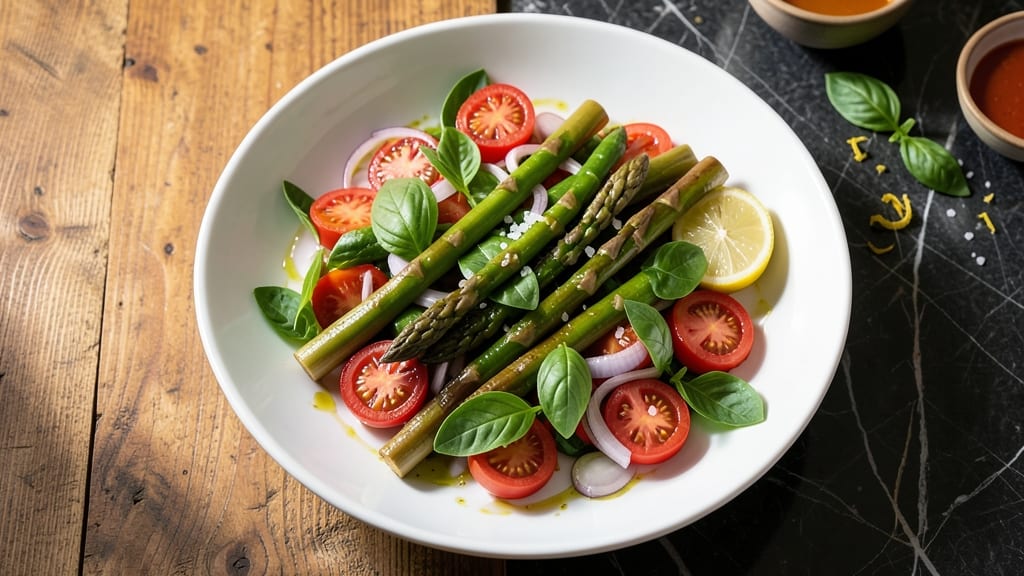
This asparagus and tomato salad recipe transforms spring's freshest ingredients into a vibrant, herb-kissed dish that comes together in just 15 minutes.
The secret lies in blanching asparagus for tender-crisp perfection and pairing it with juicy tomatoes and bright herbs—creating a balance of textures and flavors that feels both elegant and effortless. Whether you're prepping for a light lunch or a summer gathering, this salad delivers restaurant-quality appeal without the fuss.
The foundation of this dish is simple yet impactful: blanched asparagus retains its bright green color and crisp bite, while ripe tomatoes add juicy sweetness. A zesty vinaigrette—made with olive oil, lemon juice, and fresh herbs—ties everything together, ensuring every bite is fresh and vibrant.
The key to success is prepping the ingredients efficiently, so you can assemble and serve this salad with minimal effort but maximum visual appeal.
What makes this salad truly special is its versatility—it shines as a standalone vegetarian dish or pairs beautifully with grilled proteins like chicken or shrimp.
The bright flavors and crisp textures make it ideal for warm weather, but it also holds up well when made ahead, allowing the flavors to meld and deepen. Perfect for meal prep or last-minute entertaining, this salad proves that fresh, seasonal eating can be both nourishing and impressive.
For an added layer of depth, consider topping with crumbled feta or toasted nuts, or mixing in chickpeas for extra protein. The plating is just as important as the flavors—arrange the asparagus and tomatoes in an overlapping pattern for visual interest, and garnish with fresh herbs for a finishing touch.
This salad isn’t just a dish; it’s a celebration of spring’s best produce, brought to life with simplicity and care.
Ingredients for asparagus and tomato salad
Spring's brightest ingredients—tender asparagus, ripe tomatoes, and aromatic herbs—come together in this elegant yet effortless salad.
| Ingredient | Amount | Notes |
|---|---|---|
| Asparagus Spears 🌱 | 1 lb | Trimmed, woody ends removed |
| Medium Tomatoes 🍅 | 4 whole | Ripe, vine-ripened preferred |
| Fresh Basil Leaves 🌿 | ½ cup | Packed, stems removed |
| Extra-Virgin Olive Oil 🫒 | ½ cup | High-quality, fruity variety |
| Fresh Lemon Juice 🍋 | 3 tbsp | Freshly squeezed, strained |
| Shallots 🧅 | 2 whole | Minced or finely chopped |
| Diamond Crystal Kosher Salt 🧂 | 1 ½ tsp | For blanching and dressing |
| Freshly Ground Black Pepper 🌶️ | ½ tsp | Coarsely ground |
| Red Wine Vinegar 🍷 | 1 tbsp | For vinaigrette acidity |
| Garlic Cloves 🧄 | 2 cloves | Minced or finely chopped |
| Toasted Pine Nuts 🥜 | ¼ cup | Optional, for garnish |
| Crumbled Feta Cheese 🧀 | ¼ cup | Optional, for added depth |
| Ice Cubes ❄️ | 1 cup | For blanching water |
The asparagus is the star here, so prioritize fresh, firm spears with tightly closed tips—these indicate peak tenderness. Local farmers markets often have the best selection, especially in spring. If using store-bought, look for spears that snap easily when bent (not fibrous). The tomatoes should be vine-ripened, not forced-ripe; their natural sweetness balances the salad's acidity. For the herbs, basil is non-negotiable—its peppery notes elevate everything. If you're prepping ahead, store asparagus upright in a jar of water in the fridge for up to 3 days to maintain crispness. The shallots and garlic should be freshly minced for the vinaigrette; pre-minced jarred versions lack the same brightness.
No fresh basil? Dried oregano at one-third the amount works in a pinch, though it won't have the same vibrant flavor. Substituting tomatoes? Heirloom varieties add visual appeal, but any ripe tomato (cherry, beefsteak, or vine-ripened) will work. For the vinaigrette, red wine vinegar is ideal, but apple cider vinegar adds a fruity twist. If you're avoiding dairy, skip the feta and toast the pine nuts extra crisp to add crunch. The pine nuts can be swapped for toasted almonds or walnuts if preferred. For the blanching step, ice water is critical—it stops the cooking process immediately and preserves the bright green color. If you're short on time, steaming the asparagus for 2-3 minutes is an acceptable alternative, though blanching yields the best texture.
This salad is best enjoyed within 2 hours of assembly to maintain crispness, though the vinaigrette can be prepped 1 day ahead and stored in the fridge. Asparagus retains its vibrant color for up to 4 days when stored properly, while tomatoes should be added fresh to prevent sogginess. For meal prep, blanch and store asparagus separately, then toss with the dressing and tomatoes just before serving. The pine nuts and feta (if using) can be added last minute to prevent them from becoming soggy. If making ahead for a gathering, portion the salad into individual containers with the dressing on the side—this keeps everything fresh and allows guests to customize their flavor.
Why You'll Love This Recipe
- No Chopping Chaos: I swear by this one—just snap the asparagus, halve the tomatoes, and tear basil. That’s it. No mandoline, no knife fights, just fresh ingredients meeting in minutes.
- Bright & Bold: The lemon juice cuts through the richness of the olive oil like a summer breeze, while the basil adds that fresh, herby punch. Honestly, the first bite always makes me pause mid-bite.
- Picnic-Proof Perfection: Pack this in a jar or container, and it’s your go-to for lunch dates, office meals, or even a last-minute potluck. The asparagus stays crisp, the tomatoes hold their shape—it’s foolproof.
- Budget Bright Spot: Asparagus in season? A steal. Tomatoes and basil? Cheap staples. This salad costs me half what store-bought salads do, but tastes like I spent hours in a kitchen. (Between us, I often do.)
Step-by-step instructions for asparagus and tomato salad
This vibrant salad comes together in minutes with crisp asparagus and juicy tomatoes.
Blanch and Shock the Asparagus
Fill a large pot with 4 quarts water and add the 1 cup ice cubes to keep temperature steady. Bring to a rolling boil over high heat, then add 1.5 teaspoons Diamond Crystal kosher salt and 0.5 teaspoon freshly ground black pepper. Add the 1 lb asparagus spears and cook for 2 minutes—they should remain bright green and crisp.
Immediately drain and transfer the asparagus to a large bowl filled with ice water to stop cooking. Let them chill for 5 minutes while you prepare the remaining ingredients. This blanching step preserves their vibrant color and crisp texture while making them easier to eat. Drain well before assembling the salad.
Prepare the Herb Vinaigrette
In a small bowl, whisk together the 0.5 cup extra-virgin olive oil, 3 tablespoons fresh lemon juice, 1 tablespoon red wine vinegar, 2 minced shallots, 2 minced garlic cloves, and remaining 0.5 teaspoon freshly ground black pepper. Taste and adjust seasoning with additional salt if needed—this dressing should be bright and tangy, not overly sweet.
Add the 0.5 cup packed fresh basil leaves and gently fold them into the dressing. Let it sit for 5 minutes to allow the flavors to meld. The basil will soften slightly and infuse the dressing with its aromatic essence. This is the heart of the salad's vibrant flavor profile, so don't rush this step.
Assemble the Salad Components
In a large serving bowl, gently combine the blanched asparagus spears with the 4 whole medium tomatoes, halved lengthwise. Add the toasted pine nuts and crumbled feta cheese, reserving a small amount for garnish. The tomatoes should be ripe but firm—vine-ripened varieties work best for this dish.
Pour the herb vinaigrette over the salad and toss gently with tongs or a large spoon. You want to coat the ingredients evenly while preserving their individual textures. The asparagus should maintain its crispness while the tomatoes soften slightly from the acid in the dressing. Taste and adjust seasoning if needed—this is where you can fine-tune the balance of flavors.
Garnish and Serve Immediately
Transfer the salad to individual plates, garnishing each serving with an additional sprinkle of toasted pine nuts and crumbled feta cheese. The contrast of textures—crisp asparagus, juicy tomatoes, crunchy pine nuts, and creamy feta—creates an unforgettable eating experience.
Serve immediately while the asparagus remains crisp and the dressing is still vibrant. This salad shines best when eaten fresh, as the blanched asparagus will begin to soften after 15 minutes. Pair with grilled fish or crusty bread to complete the meal, and enjoy the perfect balance of fresh herbs, bright acidity, and Mediterranean flavors.
Pro Tips For Making Asparagus And Tomato Salad
- Blanch asparagus first: I used to toss raw asparagus into salads and wondered why it always tasted bitter—turns out, a quick 90-second blanch in boiling salted water (then ice bath) mellows the toughness and concentrates its flavor. The spears stay crisp but tender, and they absorb the dressing better.
- Slice tomatoes at the last minute: Tomatoes release juice fast, drowning your salad. Cut them into thick chunks (not slices) right before assembling, and keep them in the fridge until serving. The acid in the lemon juice will help preserve their brightness longer, too.
- Resist overcrowding the pan: If you’re sautéing asparagus or tomatoes to warm them, don’t pile them high—it steams them instead of searing. Work in batches if needed, and use a nonstick skillet on medium-high heat. Crowding makes them soggy, and no one wants mushy asparagus in a salad.
- Use lemon zest, not just juice: A pinch of lemon zest (about 1/2 teaspoon) adds a bright, aromatic punch that the juice alone can’t match. Grate it fresh over the salad just before serving—it’s the easiest way to elevate the dish without extra effort. (Yes, even if you’re impatient like me.)
Best sauces and condiments for this asparagus and tomato salad
Classic Vinaigrette Base
The herb vinaigrette from the recipe is your foundation, but you can easily tweak it to match your taste. For a tangier version, increase the red wine vinegar to 2 tablespoons and add ½ teaspoon Dijon mustard for depth.
If you prefer something milder, reduce the vinegar to ½ tablespoon and add 1 teaspoon honey for balance. I always keep extra-virgin olive oil on hand—it’s the secret to a silky dressing that won’t overpower the salad. 🫒
Creamy Yogurt Twist
For a creamy, cooling variation, blend ¼ cup plain Greek yogurt into the vinaigrette after whisking the base. This adds protein and a velvety texture that pairs beautifully with the asparagus.
If you’re avoiding dairy, use silken tofu for a similar effect—just whisk in ¼ cup blended tofu and a pinch of salt. The yogurt version works especially well if you’re serving this salad in hot weather. ✨
Balsamic Glaze Drizzle
Elevate your salad with a balsamic glaze drizzle for a touch of sweetness and complexity. Simmer 2 tablespoons balsamic vinegar in a small saucepan until reduced by half (about 5 minutes), then cool.
Drizzle 1 teaspoon over the assembled salad just before serving. For extra richness, add 1 teaspoon aged balsamic glaze (like Colavita)—it’s worth the splurge for that deep, caramelized flavor. 🍷
Pesto Alternative
Swap the vinaigrette for homemade pesto to give this salad an Italian-inspired twist. Blend ½ cup fresh basil, ¼ cup grated Parmesan, 2 tablespoons pine nuts, 2 garlic cloves, 3 tablespoons olive oil, and 1 tablespoon lemon juice until smooth.
Toss this with the asparagus and tomatoes for a nutty, herby flavor that’s still light enough for spring. Store-bought pesto works in a pinch, but homemade tastes fresher. 🌿
Citrus Vinaigrette
Brighten up the flavors with a citrus vinaigrette by replacing the lemon juice with 2 tablespoons orange juice and adding 1 teaspoon grated orange zest. This adds a fruity, floral note that complements the tomatoes beautifully.
For extra zing, muddle 2 thin orange slices in the bottom of the bowl before whisking. This version is especially refreshing when served with grilled shrimp or fish. 🍊
Spicy Harissa Kick
If you love heat, stir ½ teaspoon harissa paste (like Bella brand) into the vinaigrette for a smoky, spicy depth. Balance it with ½ teaspoon honey to mellow the burn. This works surprisingly well with the asparagus, adding a North African flair to the dish.
For a milder version, reduce the harissa to ¼ teaspoon and add ¼ teaspoon smoked paprika instead. 🌶️
Nutrition facts
Frequently asked questions
Can I use raw asparagus instead of blanched?
Blanching is key for the best texture—it keeps the asparagus tender-crisp rather than mushy. If you prefer raw, slice the spears thinly (¼-inch pieces) and soak in ice water for 10 minutes to soften slightly. However, blanching preserves that bright green color and satisfying bite that makes this salad special.
What's the best way to store leftovers?
Store the blanched asparagus separately in an airtight container for up to 4 days, and keep tomatoes in the fridge until ready to use. Assemble the salad just before serving to maintain crispness. The dressing can be made ahead and stored separately for 3 days—just give it a quick stir before using.
How can I make this salad nut-free?
Omit the pine nuts entirely, or swap them for toasted pumpkin seeds or crispy chickpeas (tossed in olive oil and baked at 400°F for 15 minutes). For extra crunch, add toasted breadcrumbs or crumbled croutons—both work beautifully with the herby dressing.
Can I add protein to this salad?
Grilled chicken breast (sliced thin), shrimp (quickly seared), or white beans (for a vegetarian option) all pair wonderfully. Add them just before serving to keep the salad fresh. For extra richness, try crumbled cotija cheese instead of feta.
Why did my asparagus turn gray after blanching?
Overcooking or using old water causes asparagus to lose its vibrant color. Always use fresh, cold water with ice cubes, and blanch for just 2 minutes. If your spears are tough, try cutting them into 1-inch pieces before blanching—they’ll cook faster and stay bright.