
Salads
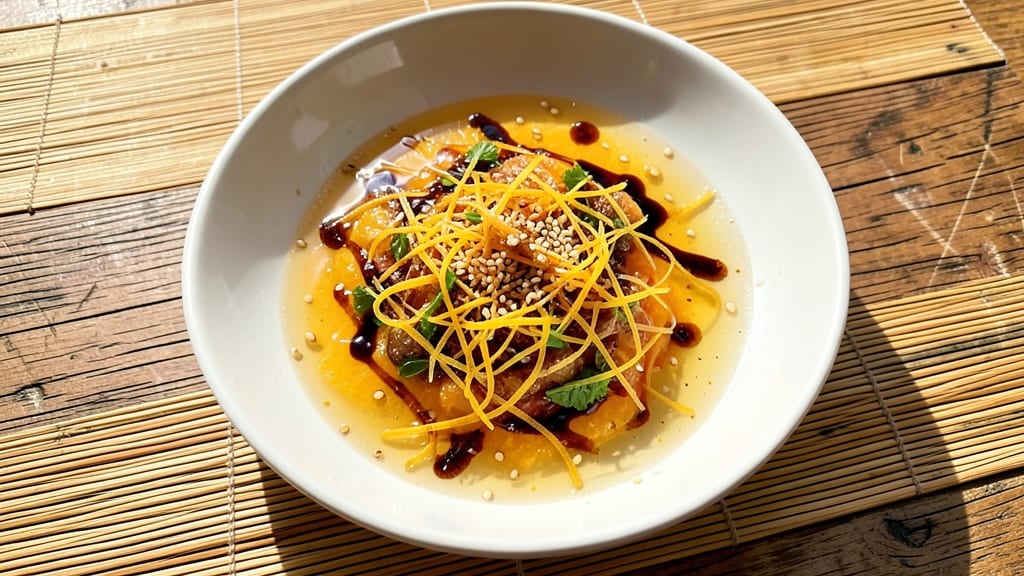
This Asian orange salad dressing recipe transforms simple greens into a vibrant, flavor-packed dish with just five ingredients. The bright citrus notes of orange juice and zest cut through rich umami flavors from soy sauce and sesame oil, creating a dressing that elevates any salad or marinade.
What makes it special is how quickly it comes together—no cooking required, just whisking—and how versatile it is for both classic and modern dishes.
The secret lies in balancing sweet, tangy, and savory elements perfectly. Fresh orange juice provides the signature zesty pop, while a touch of honey or sugar rounds out the acidity. Toasted sesame oil adds depth, and a splash of rice vinegar ensures the dressing stays light yet complex.
This isn’t just another citrus dressing—it’s a game-changer for anyone tired of basic vinaigrettes or store-bought options that lack dimension.
What you’ll end up with is a glossy, aromatic dressing that clings beautifully to lettuce, grains, or proteins while adding a bright, refreshing contrast. It works equally well on Asian-inspired salads, grilled chicken, or even as a dipping sauce for spring rolls.
The best part? It keeps well in the fridge for up to a week, so you can make a batch and enjoy it all week long.
Whether you’re prepping a weeknight dinner or hosting a dinner party, this dressing brings a professional touch without the fuss. Let’s get started—your taste buds (and salads) will thank you.
Ingredients for asian orange salad dressing
Five simple ingredients, one vibrant dressing that transforms any salad into a zesty Asian masterpiece.
| Ingredient | Amount | Notes |
|---|---|---|
| Fresh Orange Juice 🍊 | ½ cup | Freshly squeezed, no pulp |
| Orange Zest 🍊 | 1 tbsp | From 1 large orange |
| Toasted Sesame Oil 🫒 | 2 tbsp | For authentic flavor |
| Rice Vinegar 💧 | 2 tbsp | White or seasoned |
| Low-Sodium Soy Sauce 🍜 | 1 ½ tbsp | For umami balance |
| Honey 🍯 | 1 tbsp | Or maple syrup for vegan |
| Garlic Clove 🧄 | 1 whole | Minced for extra depth |
| Salt 🧂 | ¼ tsp | Fine sea salt preferred |
| Black Pepper 🌶️ | ⅛ tsp | Freshly ground |
The orange juice is the star here—freshly squeezed makes all the difference. Navel oranges work best for their sweetness, but any juicy variety will do. Toast the sesame oil in a dry pan for 30 seconds until fragrant (don't let it smoke!)—this adds incredible depth. For the soy sauce, Kikkoman or Pearl River Bridge are reliable brands that won't overpower the citrus. If you're short on time, Trader Joe's sells pre-made orange juice that works in a pinch, though fresh is always better.
No honey? Maple syrup or agave keeps it vegan-friendly. Short on sesame oil? Avocado oil or neutral oil with a pinch of toasted sesame seeds mimics the flavor. The garlic is optional but adds a nice kick—if you skip it, add an extra pinch of salt. For a lighter dressing, reduce the honey to 1 tsp and add 1 tsp more rice vinegar. Want more heat? Add a dash of Sriracha or chili crisp. This dressing works as a marinade too—just add 1 tbsp more soy sauce and 1 tbsp cornstarch if you want it thicker for grilling.
Store in an airtight jar in the fridge for up to 1 week. The flavors actually improve after 24 hours as everything melds. For extra shine, whisk in 1 tsp water before serving. If it separates, just give it a good stir—it'll come back together. Make a double batch; you'll want this on hand for everything from spring rolls to grilled fish.
Why You'll Love This Recipe
- Five-Ingredient Magic: I swear, this dressing comes together faster than I can say "zest." No fancy techniques—just a whisk, a squeeze of fresh orange, and a drizzle of that golden sesame oil. The kind of recipe that makes me feel like a chef even when I’m wearing pajamas.
- Bright Tangy Kick: That first bite of citrus with the umami from soy sauce? It’s like a wake-up call for your taste buds. The orange zest gives it this bright, almost floral edge, while the rice vinegar keeps it from being too heavy. Honestly, it’s the kind of dressing that makes a simple salad feel like a restaurant dish.
- Endless Pairings: I’ve tossed this over grilled chicken, cold noodles, and even scrambled eggs—yes, really. It works for lunchboxes, potlucks, or when I’m too tired to think. Between us, it’s my go-to for when I need something fresh but not fussy.
- No-Waste Pantry Hero: The leftovers? They last for days in the fridge, and I’m not exaggerating. That toasted sesame oil adds depth without costing a fortune, and the orange juice means no sad, watery dressing. It’s the kind of recipe that makes me feel smart about grocery shopping.
Step-by-step instructions for Asian orange salad dressing
Let's blend vibrant citrus with savory depth for a dressing that brightens every bite.
Prepare the Citrus Base
Start by squeezing 0.5 cup of fresh orange juice from a large orange, making sure to strain out any pulp for a smooth texture. I like to use a fine-mesh strainer for this—it catches even the tiniest bits that can make the dressing gritty. Add the 1 tablespoon of orange zest you've freshly grated from the same orange. This zest brings layers of citrus aroma that juice alone can't match.
Give the mixture a quick stir, then set it aside. The zest will infuse its oils into the juice as we work, creating a more complex flavor profile. If you're using store-bought orange juice, skip the zest—it won't have the same fresh intensity, but you can add an extra ½ teaspoon of lemon zest to compensate for the missing brightness.
Build the Flavor Foundation
In a small bowl, whisk together the 2 tablespoons of rice vinegar and 1.5 tablespoons of low-sodium soy sauce. These two ingredients create the perfect balance of tangy acidity and umami depth that defines Asian dressings. The vinegar should cut through the sweetness of the orange while the soy sauce adds that signature savory punch.
Now add the 1 tablespoon of honey and stir until fully dissolved. The honey will mellow out the sharpness of the vinegar while adding just enough sweetness to complement the citrus. If you're using maple syrup instead for a vegan version, add it gradually—it's more potent than honey and can easily overpower the delicate balance we're creating.
Incorporate Aromatics and Seasonings
Mince the 1 whole garlic clove finely—you want it almost paste-like rather than chunky. This ensures even distribution and prevents any harsh bits in your dressing. Add it to your mixture along with the 0.25 teaspoon of salt and 0.125 teaspoon of black pepper. Give everything a good stir to combine these base ingredients thoroughly.
Here's where the magic happens: add the 2 tablespoons of toasted sesame oil last. The toasted flavor adds nutty depth that regular sesame oil can't match. Stir gently to emulsify the dressing—you're looking for a smooth, slightly thick consistency that will coat your salad perfectly without being gluey. If it separates, we'll fix that in the next step.
Emulsify for Perfect Texture
For the smoothest dressing, transfer everything to a blender or use an immersion blender right in the bowl. Blend for about 10-15 seconds until completely smooth. The high-speed blending helps emulsify the oils and create that signature silky texture that makes this dressing so special. You should end up with a vibrant orange dressing that's thick enough to cling to greens but still pours easily.
Taste and adjust the balance—need more sweetness? Add a touch more honey. Too tangy? A splash of orange juice will help. Remember, this dressing should be bright but balanced, with the citrus shining through but supported by the savory elements. Once you've got it just right, transfer to a clean jar and store in the refrigerator for up to 1 week—it only gets better as the flavors meld!
Pro Tips For Making Asian Orange Salad Dressing
- STRAIN THE ZEST: Use a fine-mesh sieve—not your fingers—to remove orange zest from the rind. I learned this the hard way when I got a mouthful of bitter pith in my first batch. A quick rub with the back of a spoon works, but a sieve keeps it clean.
- WHISK IN STAGES: Add the toasted sesame oil last, then whisk like you’re trying to win a bet. Drizzling it in slowly prevents the dressing from separating—especially if you’re using cold-pressed oil. (Yes, even if you’re impatient like me.)
- DILUTE THE SOY: Mix the low-sodium soy sauce with a splash of rice vinegar first. This softens its saltiness and lets the citrus shine. Skipping this step makes the dressing taste like a soy glaze, not a bright, balanced dressing.
- USE CHILLED JUICE: Let freshly squeezed orange juice sit in the fridge for 10 minutes before mixing. The cold juice emulsifies better with the oil and vinegar—no weird oil slick on top. (Your future self will thank you.)
Dietary considerations for asian orange salad dressing
Vegan-Friendly Swaps
This dressing is naturally adaptable for vegan diets with minimal changes. Swap the honey for maple syrup or agave nectar—both work beautifully while maintaining the sweet-tangy balance. I recommend starting with 1 tablespoon of maple syrup since it’s more potent than honey.
For the soy sauce, use tamari (a gluten-free alternative) if needed, though standard soy sauce is already vegan. 🌱
Gluten-Free Adaptations
If gluten is a concern, skip the regular soy sauce and opt for coconut aminos or tamari instead. Both provide the same umami depth without gluten.
I’ve tested this swap and found that 2 tablespoons of coconut aminos work perfectly—just add a pinch of extra salt to compensate for the lower sodium content. The texture stays silky, and the citrus flavors shine through.
Low-Sodium Options
For heart health or sodium reduction, use low-sodium soy sauce (or even better, reduced-sodium tamari) and cut the salt to ¼ teaspoon.
If you’re avoiding soy entirely, replace the soy sauce with 1 tablespoon of mushroom powder (like Better Than Bouillon) or 1 teaspoon of miso paste (dissolved in the rice vinegar). The umami still comes through, though the flavor profile shifts slightly toward earthier notes.
Nut-Free Considerations
Sesame oil is the star of this dressing, but if nut allergies are a concern, replace it with avocado oil or neutral high-oleic oil. For texture, add 1 teaspoon of toasted sesame seeds (if safe) or poppy seeds for a subtle crunch.
The flavor won’t be identical, but it keeps the dressing safe while maintaining its vibrant character.
Diabetic-Friendly Adjustments
To make this dressing lower in sugar, reduce the honey to ½ teaspoon and add 1 teaspoon of stevia or monk fruit sweetener instead. The citrus and vinegar will still provide bright acidity, while the sweetener keeps the balance.
For extra depth, add ½ teaspoon of grated ginger—it adds warmth without spiking blood sugar. Always taste as you go, since sweetness preferences vary!
Nutrition facts
Frequently asked questions
Can I use this dressing on non-salad dishes?
This vibrant dressing works beautifully as a marinade for grilled chicken or fish, a dipping sauce for spring rolls or dumplings, or even a glaze for roasted vegetables. The citrus and umami combo adds a bright finish to proteins and veggies alike. Just reduce the rice vinegar by 1 tablespoon if using as a marinade to prevent over-tenderizing.
What if my dressing separates after mixing?
Separation happens when oils and liquids don't fully emulsify. Fix it by whisking in 1 teaspoon of water or adding ½ teaspoon of mustard (Dijon works best) to help bind the ingredients. For a quick fix, blend again for 10-15 seconds—this breaks up any oil pockets and restores the silky texture. Store in an airtight jar to prevent future separation.
How can I make this dressing spicier?
Add heat with ½ teaspoon of chili flakes, 1 teaspoon of sriracha, or ½ teaspoon of gochujang (Korean chili paste) for depth. For a smoky kick, stir in ¼ teaspoon of smoked paprika. Start with small amounts—citrus and spice can be overpowering when combined! Taste as you go and adjust to your preferred heat level.
Can I substitute orange juice with another citrus?
Yes! For a tangier profile, use grapefruit juice (reduce to ¼ cup and add ¼ cup water to balance). For a milder flavor, try lemon juice (add ½ teaspoon extra honey to compensate for lower sweetness). Yuzu juice (if available) adds a unique floral note—use it in place of orange juice at a 1:1 ratio. Always zest the citrus you choose for maximum aroma!
Why does my dressing taste too sweet or sour?
Too sweet? Balance it with ½ teaspoon more rice vinegar or a splash of orange juice. Too sour? Add ½ teaspoon honey or a pinch of sugar. The key is the 3:1 ratio of citrus to vinegar—adjust gradually. Taste after each addition, as preferences vary. For a more complex flavor, add a tiny bit of toasted sesame seeds to mellow out sharpness.