
Salads
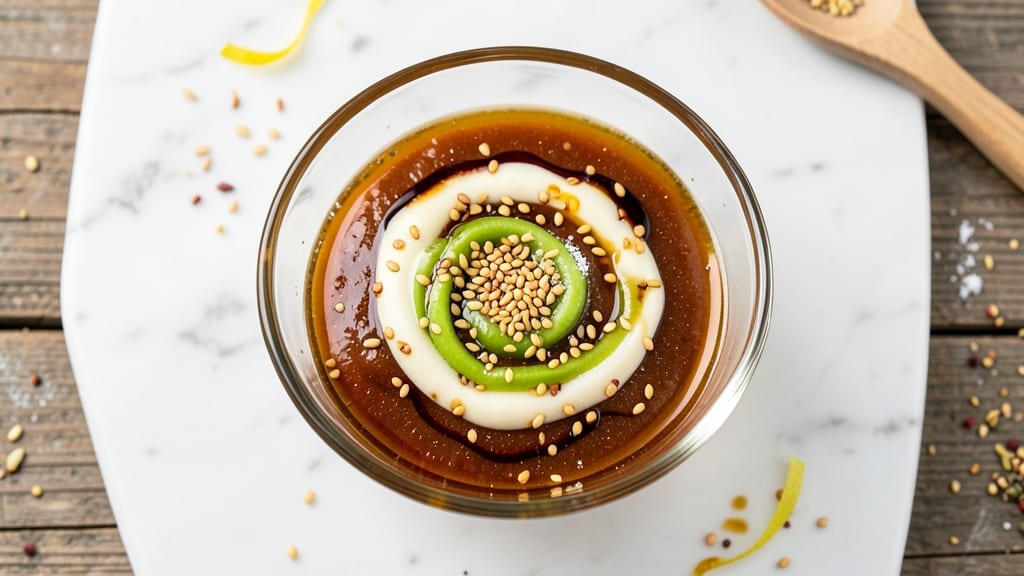
This Asian coleslaw salad dressing recipe delivers the perfect balance of tangy, sweet, and umami that transforms basic coleslaw into a vibrant, restaurant-worthy side dish. The secret lies in the lime-soy tang combined with a touch of sesame oil for that signature crunch-boosting depth.
I developed this dressing after realizing store-bought versions never quite captured the fresh, bright flavor of homemade—especially when paired with crisp cabbage and crunchy carrots.
The dressing comes together in under 5 minutes with simple pantry staples: rice vinegar for acidity, soy sauce for umami, a touch of sugar to balance, and fresh lime juice for that zesty kick.
The crunch-boosting oil—a mix of toasted sesame and neutral oil—adds texture without overpowering, while fresh herbs like cilantro or Thai basil elevate it to next-level flavor. This is the kind of dressing that makes coleslaw the star of any meal.
What sets this recipe apart is its versatility—it works equally well with traditional shredded cabbage or modern coleslaw twists like Brussels sprouts and jicama. The dressing clings beautifully to vegetables, enhancing their natural sweetness while adding layers of complexity.
Whether you're serving it with grilled meats, seafood, or as a standalone salad, this dressing brings that authentic Asian-inspired tang that keeps everyone reaching for seconds.
The best part? It keeps well in the fridge for up to a week, so you can make a big batch and enjoy it all week long. Here’s how to create this foolproof, flavor-packed dressing that will make your coleslaw the talk of the table.
Ingredients for asian coleslaw salad dressing
Simple pantry staples meet fresh zing—this dressing transforms coleslaw into a vibrant, restaurant-worthy side.
| Ingredient | Amount | Notes |
|---|---|---|
| Rice Vinegar 🍶 | ½ cup | White or seasoned variety |
| Soy Sauce 🍜 | ¼ cup | Use light soy for milder flavor |
| Toasted Sesame Oil 🫒 | 1 tbsp | For authentic crunch-boosting depth |
| Neutral Oil 🫒 | ¼ cup | Avocado or light olive oil |
| Granulated Sugar 🍯 | 2 tbsp | Or honey for subtle sweetness |
| Fresh Lime Juice 🍋 | ¼ cup | About 2-3 limes, freshly squeezed |
| Fresh Cilantro 🌿 | ¼ cup | Chopped, stems removed (optional) |
| Garlic Cloves 🧄 | 2 cloves | Minced, for subtle depth |
| Ginger Root 🌿 | 1 tsp | Freshly grated, for zing |
| Sesame Seeds 🥜 | 1 tbsp | Toasted, for garnish and crunch |
The rice vinegar and soy sauce are your flavor anchors. Kikkoman soy sauce or Mae Ploy rice vinegar from the Asian aisle deliver the most authentic tang, but don't stress if you've only got the basics. For the sesame oil, La Choy is my go-to—it's affordable and packs serious flavor. Fresh ginger and garlic are non-negotiable here; pre-minced jarred versions just don't cut it. If you're short on time, Trader Joe's sells pre-minced garlic in a jar that works in a pinch. The cilantro adds that bright, fresh finish—skip it if you're sensitive to its flavor, but trust me, it's worth the extra minute to chop.
No rice vinegar? Apple cider vinegar works in a bind, though it'll be slightly less delicate. Light soy sauce unavailable? Coconut aminos mimic the umami punch perfectly. Running low on sesame oil? Toasted peanut oil gives a similar nutty depth. For the sweetener, agave nectar or maple syrup work beautifully if you're avoiding refined sugar. The lime juice can be bottled, but fresh is always better—just make sure to strain out seeds for a smooth dressing. If you're making this ahead, add the lime juice last to prevent the dressing from separating.
This dressing keeps beautifully for up to 1 week in the fridge, though it's best used within 3-4 days for maximum freshness. The sesame oil separates initially—just give it a good shake before using. For extra crunch, toast your sesame seeds in a dry pan for 30 seconds before adding to the dressing. Store in a glass jar with a tight lid to preserve flavors. If you make a big batch, portion it into small containers so you can grab just what you need for each salad—no more wasted dressing at the bottom of the bottle.
Why You'll Love This Recipe
- Five-Ingredient Magic: I swear by this combo—no fancy tools, just a bowl and a whisk. The toasted sesame oil alone transforms basic ingredients into something ridiculously good, and honestly? I’ve made it wrong three times (too much sugar, once), but now it’s my go-to.
- Umami Bomb: That balance of rice vinegar’s tang, soy sauce’s saltiness, and a whisper of sugar? It’s the kind of flavor that makes you pause mid-bite. The sesame oil ties it all together—nutty, warm, and impossible to resist.
- Leftover Superstar: This dressing keeps for weeks in the fridge, and it’s perfect for tossing with prepped veggies or even drizzling over cold noodles. I’ll be real: I’ve used it on everything from takeout to sandwiches, and it never lets me down.
- Budget Brightener: Soy sauce and rice vinegar are pantry staples, and a little goes a long way. I stretch this dressing over store-bought coleslaw or quick-pickled veggies to make simple meals feel like a splurge—without the splurge.
Step-by-step instructions for lime-soy Asian coleslaw dressing
This vibrant dressing comes together in minutes with bold flavors that elevate any coleslaw.
Toast the Sesame Seeds for Crunch
Heat a dry skillet over medium-low heat and add the 1 tablespoon sesame seeds. Toast them for 2-3 minutes, stirring constantly, until they turn a rich golden brown and release their nutty aroma. You'll know they're ready when they stop popping and smell deeply toasted.
Immediately transfer the toasted seeds to a small bowl and set aside. These will add a delightful crunch to your dressing and garnish the finished dish. Don't skip the toasting—raw seeds won't provide that same satisfying texture contrast.
Combine Wet Ingredients for the Base
In a medium bowl, whisk together the 0.5 cup rice vinegar, 0.25 cup soy sauce, and 2 tablespoons granulated sugar until the sugar dissolves completely. This forms the tangy, savory foundation of your dressing. The mixture should be smooth with no visible sugar crystals remaining.
Next, add the 0.25 cup fresh lime juice, 2 cloves minced garlic, and 1 teaspoon freshly grated ginger root. Whisk vigorously for 30 seconds to fully incorporate all ingredients. The lime juice will brighten the flavors while the garlic and ginger add subtle depth that complements the cabbage perfectly.
Incorporate the Oils for Creamy Texture
With the whisking motion, slowly drizzle in the 0.25 cup neutral oil and 1 tablespoon toasted sesame oil. Continue whisking for another 1-2 minutes until the dressing emulsifies into a smooth, creamy consistency. You're looking for a velvety texture that will coat your coleslaw evenly without separating.
If the dressing appears too thick, gradually add 1-2 teaspoons of water while whisking until it reaches your desired pouring consistency. The toasted sesame oil adds authentic Asian flavor while creating that signature silky mouthfeel that makes this dressing special.
Fold in Cilantro for Fresh Herbal Notes
Gently stir in the 0.25 cup chopped fresh cilantro using a spatula, being careful not to overmix. The herb should be evenly distributed throughout the dressing. This step adds a bright, fresh element that cuts through the richness of the other ingredients and adds a pop of color.
Taste the dressing and adjust seasoning if needed. You might want to add a touch more lime juice for brightness or a bit of sugar to balance the acidity. The dressing should be perfectly balanced between sweet, tangy, savory, and slightly spicy from the ginger.
Rest and Garnish Before Serving
Cover the dressing and let it rest at room temperature for 10-15 minutes before using. This allows all the flavors to meld together and the dressing to reach its optimal consistency. The resting period is particularly important if you've made this ahead of time.
Just before serving, give the dressing a final stir and sprinkle with the reserved toasted sesame seeds. The seeds add beautiful texture contrast and enhance the nutty depth of the dressing. This vibrant, flavorful dressing will transform your coleslaw into a restaurant-quality side dish that stands out at any meal.
Pro Tips For Making Asian Coleslaw Salad Dressing
- STIR BEFORE MEASURING: Whisk together the rice vinegar, soy sauce, and sugar first—don’t just dump them in. The sugar dissolves faster when the liquid is already moving, and you’ll avoid that awkward grainy texture later. I used to measure dry sugar straight into the bowl, and it always left little crystals clinging to the coleslaw.
- USE COLD SESAME OIL: Toasted sesame oil is potent—add it last and keep it chilled until you’re ready. If you mix it in early, the heat from the other ingredients will turn it bitter before you even taste it. I learned this after making a batch that smelled amazing but tasted off.
- SALT THE SOY SAUCE: Skip the pre-salted soy sauce unless you’re okay with a flat dressing. Plain soy sauce has enough salt to balance the sweetness, but reduced-sodium versions need a pinch of flaky salt stirred in. I wasted two batches before realizing my low-sodium soy was the culprit.
- EMULSIFY THE OILS: Whisk the neutral oil into the dressing in thin streams while stirring vigorously. This creates a silky texture instead of a greasy separation. If you pour it all at once, you’ll end up with a split dressing—trust me, I’ve seen it happen.
Common mistakes when making this dish
Overmixing the Dressing
Whisking too vigorously after adding the oils can break the emulsion, causing separation. The dressing should be smooth but not frothy—stop when it reaches a creamy, velvety consistency. If it starts to look curdled, immediately stir in 1 teaspoon of neutral oil to restore balance.
I’ve learned this the hard way—once, I whisked so hard the dressing split into two layers, and no amount of shaking brought it back. 💫
Using Bottled Lime Juice
Fresh lime juice is non-negotiable for authentic flavor, but if you must use bottled, strain out seeds and pulp thoroughly. Bottled juice often contains preservatives that can make the dressing taste flat.
For extra brightness, add ½ teaspoon of lime zest directly to the dressing—it adds a subtle citrus aroma that fresh juice can’t match. Trust me, your taste buds will notice the difference.
Skipping the Resting Time
Rushing the 10-15 minute rest means flavors won’t meld properly, and the dressing may taste disjointed. The resting period lets the acidity in the vinegar and lime mellow while the oils fully emulsify.
If you’re short on time, at least let it sit for 5 minutes—it makes a world of difference. I once served dressing straight from the bowl, and it lacked that cohesive, restaurant-quality depth.
Ignoring the Oil Ratio
The neutral oil to sesame oil ratio (3:1) is key for texture and flavor balance. Too much sesame oil makes the dressing taste bitter, while too little neutral oil causes separation.
Measure carefully—I use a kitchen scale for accuracy, especially when substituting oils like peanut or avocado. A ¼ cup neutral oil is non-negotiable for that silky finish.
Adding Cilantro Too Late
Stirring in cilantro after the dressing has rested can make it clump and sink to the bottom. Fold it in during Step 4 when the dressing is still slightly warm—this distributes the herb evenly.
If you’re sensitive to cilantro’s flavor, use Thai basil instead; it’s milder and adds a sweet, anise-like note that pairs beautifully with the dressing’s tang.
Not Adjusting Seasoning
Taste the dressing before serving—it’s the only way to ensure perfect balance. If it tastes too sharp, add ½ teaspoon more sugar; if it’s too sweet, balance with 1 teaspoon extra lime juice.
The dressing should sing with all five flavors: sweet, salty, sour, umami, and a hint of spice from the ginger. I always keep a small bowl of each ingredient nearby for quick adjustments while tasting. 🍶
Nutrition facts
Frequently asked questions
Can I make this dressing without fresh lime juice?
Fresh lime juice is ideal, but you can substitute with 2 tablespoons bottled lime juice plus ½ teaspoon lime zest for brightness. If unavailable, use orange juice or lemon juice—just reduce to 2 tablespoons and add 1 extra teaspoon of sugar to balance. The acidity is key for that signature tang!
How long does this dressing last in the fridge?
The dressing stays fresh for up to 1 week when stored in an airtight container. For best flavor, use it within 3-4 days. The sesame oil may separate—just shake well before using. If it develops an off smell, discard it.
What’s the best way to store leftovers?
Transfer the dressing to a glass jar with a tight lid to preserve flavors. Keep it in the fridge, and portion into small containers if you plan to use it gradually. The oils and fresh herbs keep better this way, and the dressing won’t absorb fridge odors.
Can I use this dressing on other vegetables?
This dressing works beautifully with shredded Brussels sprouts, jicama, or even green beans. It also pairs well with grilled meats like chicken or shrimp. The key is using crisp, fresh vegetables that hold up to the tangy flavors.
Why does my dressing look separated?
The oils may separate if the dressing sits too long or if you overmixed it. Simply shake or whisk vigorously to re-emulsify. For extra stability, add 1 teaspoon of neutral oil and whisk again. This happens occasionally—just give it a good stir before using!