
Salads
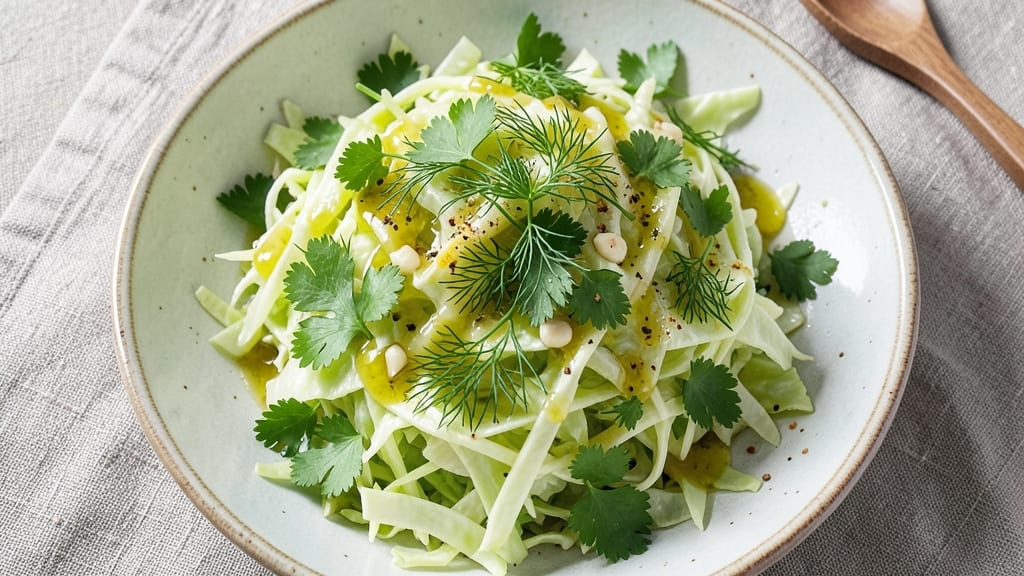
This Armenian cabbage salad recipe transforms simple ingredients into a vibrant, herb-packed dish that celebrates Armenia's bold flavors without relying on mayo. The secret lies in a perfect balance of sharp lemon, fragrant herbs, and just the right amount of garlic—creating a salad that's crisp, tangy, and deeply satisfying.
I first discovered this traditional preparation during a visit to Yerevan, where it's served as both a refreshing starter and a hearty side dish.
The beauty of this recipe is its simplicity: just cabbage, garlic, herbs, and a bright lemon dressing come together to create something far more complex than its ingredients suggest.
Unlike many cabbage salads, this version stays crunchy and fresh thanks to a clever technique of massaging the cabbage with herbs and lemon juice. The result is a salad that holds its texture while delivering layers of flavor in every bite.
What makes this Armenian cabbage salad truly special is its versatility—it works equally well as a light lunch, side dish, or even a base for sandwiches. The traditional version often includes walnuts for crunch and sometimes tomatoes for sweetness, but the core preparation remains the same.
This recipe delivers restaurant-quality results with minimal effort, making it perfect for both weeknight dinners and special occasions.
The salad's vibrant colors and fresh aromas make it as appealing to the eyes as it is to the palate, and the bright lemon dressing ensures it stays fresh-tasting even after a day in the refrigerator.
Whether you're exploring Armenian cuisine or simply looking for a healthier salad option, this recipe delivers exceptional flavor without compromise. Let's get started on creating this zesty, herb-infused masterpiece.
Ingredients for armenian cabbage salad
Six vibrant ingredients and fresh herbs create Armenia's crisp, tangy cabbage masterpiece.
| Ingredient | Amount | Notes |
|---|---|---|
| Green Cabbage 🥬 | 6 cups | Shredded, outer leaves removed |
| Fresh Dill 🌿 | ½ cup | Chopped loosely packed |
| Fresh Parsley 🌿 | ¼ cup | Chopped loosely packed |
| Garlic Cloves 🧄 | 4 cloves | Minced or finely chopped |
| Lemon Juice 🍋 | ½ cup | Freshly squeezed |
| Extra-Virgin Olive Oil 🫒 | ¼ cup | High quality, fruity |
| Salt 🧂 | 1 ½ tsp | Diamond Crystal preferred |
| Black Pepper 🌶️ | ½ tsp | Freshly ground |
| Red Onion 🧅 | ½ cup | Thinly sliced |
| Fresh Mint Leaves 🌿 | ¼ cup | Chopped loosely packed |
| Walnut Pieces 🥜 | ½ cup | Toasted for crunch |
| Fresh Coriander 🌿 | ¼ cup | Chopped loosely packed |
The cabbage is the foundation, so choose a firm, compact head—avoid those with yellowing leaves. Whole Foods or your local Armenian market often carry the freshest varieties. For the herbs, fresh is non-negotiable here—they carry the salad's signature brightness. I grab mine from the farmers market on Saturdays, but the grocery store's fresh herb section works if you're short on time. The walnuts should be raw and unprocessed—Costco or Trader Joe's have great bulk options. Toast them yourself for maximum flavor: 5 minutes in a dry pan until fragrant.
No fresh dill? Dried dill at one-third the amount works in a pinch, but it won't have that same bright punch. Short on mint? Skip it entirely—the parsley and coriander will still deliver that herbal depth. The lemon juice can be substituted with white wine vinegar at half the amount, though it won't be quite as vibrant. For the olive oil, avoid the cheap stuff—look for extra-virgin with a fruity aroma. The red onion can be swapped for green onion or shallots, though red gives that classic Armenian color. If you're feeling adventurous, add a grated apple or dried apricots for sweetness, but the traditional version sticks with the savory-tangy balance.
This salad keeps beautifully in the fridge for 3-4 days, though the texture gets slightly softer after day two. To maintain crispness, store it in a sealed container with a paper towel to absorb excess moisture. The dressing separates naturally—just give it a good stir before serving. For meal prep, I make double batches and use it as a base for sandwiches all week. The walnuts stay crunchy for up to 5 days if stored separately, so add them fresh when serving. Freezing isn't recommended—the herbs and cabbage lose their texture when thawed.
Why You'll Love This Recipe
- No-Sharp-Knife Night: Honestly, I shave that cabbage with a peeler—no knives, no tears, just thin ribbons. The dill and parsley are chopped in seconds, and the garlic? Two minces, done. This is the kind of recipe that lets me cook while scrolling through memes.
- Bright & Tangy Magic: That lemon juice doesn’t just dress it—it transforms the cabbage into something crisp, juicy, and impossible to stop eating. The garlic? Roasted just enough to mellow the bite, so it’s bold but not overpowering. Every bite tastes like a summer picnic in my mouth.
- Picnic or Potluck Hero: Between us, this salad always gets picked first at gatherings. It’s the side that works with grilled meats, wraps, or even just a hunk of crusty bread. I’ve packed it in lunchboxes, brought it to BBQs, and served it at 9 PM when the pizza cravings hit—it’s that adaptable.
- Pantry-Proof & Frugal: I swear by this for stretching my grocery budget. Cabbage lasts weeks, herbs grow back if you snip them right, and garlic? Cheap as dirt. Plus, it keeps for days in the fridge, so I make a big batch and forget about salads for a week. No wilting, no waste—just quiet, reliable flavor.
Step-by-step instructions for Armenian cabbage salad
This bright, herb-forward salad delivers crisp texture and vibrant flavors without relying on mayo.
Shred and Prepare the Cabbage Base
Remove the outer leaves from the 6 cups green cabbage and quarter the head. Using a sharp knife, shred the cabbage into thin strips—about ¼-inch wide. I like to work in batches, keeping the shredded cabbage in a large mixing bowl as I go. The goal is even, consistent shreds that will soften just enough to become tender-crisp without losing their structure.
While you shred, I recommend removing any tough stems or discolored spots. The cabbage should look uniformly white or pale green. If you find any yellowing leaves, discard them—they'll affect the final texture and flavor. Once all the cabbage is shredded, give it a quick toss with your hands to distribute the pieces evenly in the bowl.
Toast the Walnuts for Crunch
Spread the 0.5 cup walnut pieces on a dry baking sheet and toast in a preheated 350°F oven for 8-10 minutes, stirring once halfway through. You're looking for walnuts that smell deeply nutty and develop a light golden color—this indicates they're perfectly toasted. Over-toasting will make them bitter, while under-toasting leaves them raw-tasting.
Let the walnuts cool completely before adding them to the salad. I like to spread them out on a clean kitchen towel to cool faster. This step is crucial for adding texture contrast—the toasted walnuts will provide a satisfying crunch that balances the soft cabbage and creamy dressing.
Build the Herb and Aromatic Mixture
In a small bowl, combine the 0.5 cup fresh dill, 0.25 cup fresh parsley, 0.25 cup fresh mint leaves, 0.25 cup fresh coriander, 4 cloves minced garlic, 0.5 cup thinly sliced red onion, 1.5 tsp salt, and 0.5 tsp black pepper. Mix thoroughly with your hands or a fork, breaking up any large herb clumps. The herbs should be finely distributed throughout the mixture—this ensures even flavor distribution in the final salad.
I like to taste this mixture at this stage to check the seasoning balance. The herbs should be vibrant and fresh, with a bright garlic punch. If the red onion tastes too sharp, you can quickly rinse it under cold water to mellow the flavor slightly. This herb mixture is the heart of the salad's flavor profile, so don't skimp on the freshness.
Create the Dressing and Combine
In a separate bowl, whisk together the 0.5 cup lemon juice and 0.25 cup extra-virgin olive oil. The dressing should emulsify into a smooth, slightly thick liquid. I like to add the lemon juice first, then slowly drizzle in the olive oil while whisking vigorously. This creates a stable dressing that won't separate. Taste and adjust seasoning if needed—you might want to add a pinch more salt to balance the acidity.
Pour the dressing over the cabbage and herb mixture in the large bowl. Using your hands, gently massage the dressing into the cabbage for about 1-2 minutes. This helps the dressing coat each cabbage strand evenly. Then, fold in the toasted walnuts. Let the salad sit at room temperature for 15-20 minutes before serving—this allows all the flavors to meld together beautifully.
Serve Immediately for Best Texture
Gently toss the salad one final time just before serving to redistribute any settled dressing. The cabbage should be tender-crisp with a vibrant green color, the herbs should be bright and aromatic, and the walnuts should provide a satisfying crunch. Serve immediately while the cabbage is at its crispest, or refrigerate for up to 2 hours if needed—though I find it's best enjoyed fresh.
This salad pairs beautifully with grilled meats, as a side for hearty soups, or as a refreshing main course with crusty bread. The lemon-herb dressing cuts through rich dishes while adding a bright, zesty contrast. For extra protein, you could add grilled chicken or chickpeas, but the traditional version relies on the cabbage and herbs to shine.
Pro Tips For Making Armenian Cabbage Salad
- SHRED THE CORE TOO: I learned this the hard way—skipping the tough outer leaves and core leaves you with a salad that’s half crunchy, half rubbery. Grab that thick middle stem and slice it lengthwise, then shred it like the rest. Yes, it’s more work, but the texture stays consistent.
- SAUTÉ GARLIC LOW AND SLOW: After burning three batches of garlic, I finally figured out this salad’s secret: cook the minced garlic on the lowest heat setting you own. Just until it’s fragrant and lightly golden—no brown bits, or the whole dish will taste bitter. Patience here makes all the difference.
- CHOP HERBS AT THE END: Fresh dill and parsley lose their vibrancy fast when mixed in early. Instead, toss them in just before serving—whole leaves for a pop of color, finely chopped for even distribution. Your salad will look brighter, and the herbs won’t turn to mush in the dressing.
- USE COLD-STORED CABBAGE: Sounds weird, but it works: refrigerate the shredded cabbage for 30 minutes before mixing. It softens slightly, soaks up the dressing better, and keeps the salad from getting soggy after 20 minutes. (Yes, even if you’re impatient like me.)
Wine and beer pairings for this armenian cabbage salad
White Wine Pairings
An Armenian dry white wine like Artsakh Areni is my go-to choice—its crisp acidity and citrus notes mirror the salad's bright lemon dressing. The wine's mineral finish complements the cabbage's crunch without overpowering the fresh herbs.
For something more accessible, try a Sauvignon Blanc from California or New Zealand, which offers similar zesty brightness. 🍷
Crisp Beer Matches
A Belgian witbier like Hoegaarden brings refreshing citrus and spice notes that harmonize perfectly with the salad's herbal complexity. The effervescence also cleanses your palate between bites. For a local option, a German Helles lager provides a clean, slightly malty contrast that balances the dish's tangy profile.
Red Wine Options
While white wines dominate, a light Armenian red such as Vardavar works beautifully with heartier meals featuring this salad. Its bright acidity and red fruit notes complement the walnuts and herbs without overwhelming the cabbage's freshness. Avoid heavy reds—they'll clash with the salad's brightness.
Non-Alcoholic Choices
For a refreshing non-alcoholic option, try sparkling pomegranate juice—its tartness and effervescence enhance the salad's lemony brightness. Alternatively, a cucumber-mint infused water with a splash of lemon juice provides a crisp, palate-cleansing accompaniment that highlights the dish's fresh ingredients. 💧
Traditional Armenian Pairings
In Armenia, this salad is often served with lavash bread or alongside kebabs and dolma. The bread soaks up any extra dressing, while the kebabs provide a smoky contrast to the salad's freshness.
For a vegetarian spread, pair it with eggplant-based dishes or cheese platters to create a balanced meal.
Nutrition facts
Frequently asked questions
Can I use red cabbage instead of green?
The recipe works beautifully with red cabbage, but expect a slightly different color and flavor profile. Red cabbage has a milder taste and will give your salad a vibrant purple hue that turns pink when dressed. For best results, use the same quantity and add an extra 1 teaspoon of lemon juice to help preserve the color. The texture remains identical, just with a more colorful presentation.
Why does my salad get watery after sitting?
This happens when excess moisture from the cabbage isn't properly absorbed. To prevent it, always use a dry mixing bowl and pat the shredded cabbage with a paper towel before adding other ingredients. Also, let the salad sit for 15-20 minutes before serving—this allows the cabbage to release moisture gradually. For extra insurance, add a handful of crushed ice cubes to the dressing mixture to help absorb liquid.
What's the best way to store leftovers?
Store in an airtight container with a paper towel pressed on top to absorb moisture. Keep it refrigerated for up to 3 days, though the texture will soften slightly after 24 hours. For best results, keep the walnuts separate until ready to serve to maintain their crunch. The dressing may separate—just give it a good stir before eating. Freezing isn't recommended as it ruins the cabbage's texture.
Can I make this salad ahead of time?
Yes, but with some adjustments. Prepare all ingredients up to the point of combining, then store them separately in the fridge. When ready to serve, toss everything together and let it sit for 10 minutes before eating. This method helps maintain the cabbage's crispness. For a make-ahead version, try using savoy cabbage instead—it holds up better to advance prep and stays crunchier longer.
What if I don't have fresh dill?
Don't worry—you can substitute with ½ teaspoon dried dill or a combination of ¼ cup chopped parsley plus 1 teaspoon dried tarragon. For maximum flavor, combine ¼ cup chopped cilantro with ¼ cup chopped parsley—this duo provides a similar aromatic profile. If you're missing mint, simply increase the parsley amount to ⅓ cup for a slightly sweeter herbal note.