
Salads
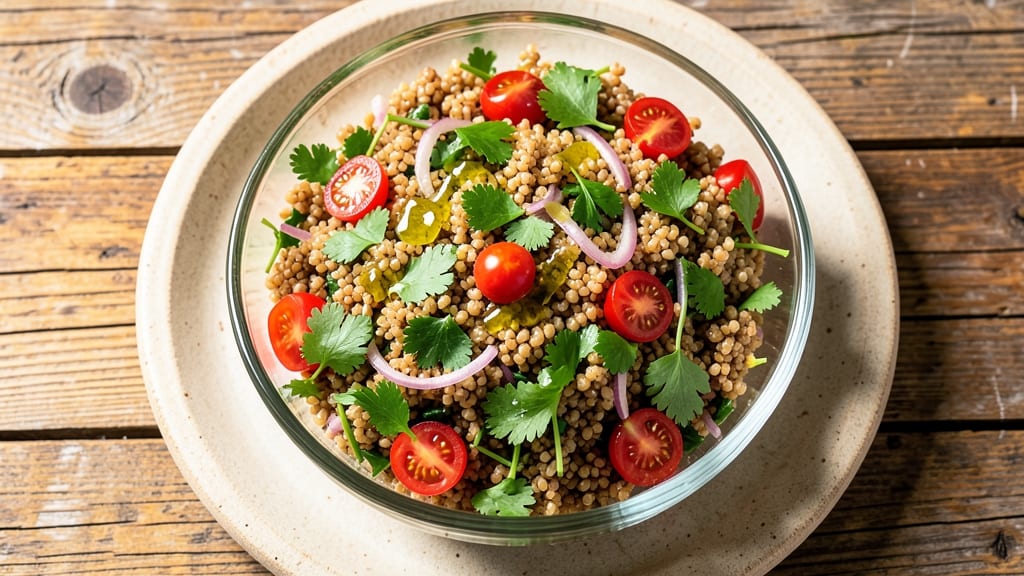
This Arabic tabbouleh salad recipe brings the vibrant flavors of the Levant to your table with its signature parsley, lemon, and bulgur wheat. The dish is a staple in Middle Eastern cuisine, offering a refreshing balance of bright herbs, zesty citrus, and nutty bulgur.
What makes it special is how simple yet transformative the ingredients are—just a handful of components come together to create a dish that’s both hearty and light.
The secret to authentic tabbouleh lies in proper preparation: soaking the bulgur until tender, finely chopping the parsley (the star ingredient), and balancing the lemon juice with olive oil for a dressing that clings perfectly to each bite.
This salad is naturally vegetarian and vegan-friendly, making it a versatile addition to any meal. The texture is a delightful mix of chewy bulgur, crisp vegetables, and tender herbs, all bound by a tangy, aromatic dressing.
By the time you’re done, you’ll have a dish that’s as visually stunning as it is flavorful—bright green from the parsley, speckled with tomatoes and garnished with optional mint or sumac for extra depth.
It’s the kind of salad that elevates any spread, whether served as a side, mezze, or even a main dish with grilled meats or crusty bread. The flavors only get better as it sits, allowing the ingredients to meld into a harmonious, refreshing bite.
Perfect for warm weather gatherings, potlucks, or as a quick lunch, this tabbouleh is a testament to how bold flavors can be achieved with minimal effort. Let’s get started on a dish that’s as culturally rich as it is delicious.
Ingredients for arabic tabbouleh salad
Bright parsley, nutty bulgur, and zesty lemon create this Levantine staple with minimal ingredients.
| Ingredient | Amount | Notes |
|---|---|---|
| Fresh Flat-Leaf Parsley 🌿 | 2 cups | Stems removed, finely chopped |
| Fine Bulgur Wheat 🌾 | 1 cup | Uncooked, rinsed well |
| Red Onion 🧅 | ½ cup | Finely diced, about 1 small |
| Cherry Tomatoes 🍅 | 1 cup | Diced, seeds removed |
| Fresh Lemon Juice 🍋 | ½ cup | Freshly squeezed |
| Extra-Virgin Olive Oil 🫒 | ½ cup | High quality, fruity |
| Fresh Mint Leaves 🍃 | ¼ cup | Chopped, optional garnish |
| Ground Sumac 🌶️ | 1 tbsp | For tangy finish |
| Salt 🧂 | 1 tsp | Kosher or sea salt |
| Black Pepper 🌶️ | ½ tsp | Freshly ground |
| Garlic Cloves 🧄 | 2 cloves | Minced, optional |
The parsley is non-negotiable—farmers market bunches have the most vibrant flavor, but grocery store parsley works too if it's fresh. Bulgur quality matters: look for fine, pearly grains at Middle Eastern markets or the international aisle. Trader Joe's carries a good brand if you're not near a specialty store. For the tomatoes, vine-ripened ones have better flavor, but cherry tomatoes work perfectly. The lemon juice should be freshly squeezed—bottled juice lacks the bright acidity that balances the dish. If you can't find sumac, dried lemon zest at half the amount gives similar brightness.
No fresh mint? Skip it or use dried mint at one-third the amount. The garlic is optional but adds depth—roasted garlic gives a sweeter note if you prefer. For the olive oil, Spanish or Italian varieties work best—their fruity notes complement the parsley. If you're short on time, pre-chopped parsley from the refrigerated section saves effort, though fresh is always better. The bulgur needs 15 minutes soaking in hot water before mixing—don't skip this step or it'll stay crunchy. For extra protein, add 1/2 cup chickpeas to the mix.
Store any leftovers in an airtight container for 3-4 days, though it's best eaten fresh. The flavors actually improve as it sits for 1-2 hours before serving—let it marinate in its own juices. For meal prep, portion into small containers with a drizzle of olive oil on top to preserve freshness. This salad keeps well for 5 days in the fridge, though the parsley may wilt slightly. To revive, toss with a splash of lemon juice and fresh herbs before serving.
Why You'll Love This Recipe
- No-Chop Chaos (Almost): I swear, the parsley is the only thing I dice—everything else gets torn or smashed with my hands. That bright green pile? Ready in 10 minutes, no knife skills required.
- Lemon Zing Magic: Between us, the lemon juice is what turns this from "salad" to "I need more." It cuts through the bulgur’s chew, the onions’ bite, and somehow makes the tomatoes taste like summer. Honestly, I’ve skipped the dressing entirely after the first bite.
- Potluck Hero: This is my go-to for gatherings—no one fights over it, no one leaves hungry. Serve it in a big bowl at brunch, pack it in jars for lunch, or toss it with grilled chicken for dinner. It’s the one dish that actually feeds a crowd without stress.
- Budget Bright Spot: Bulgur’s cheap, parsley stays fresh forever, and onions last weeks. I’ve made this for under $5 per serving, and it still feels like a fancy meal. Leftovers? They’re just better tomorrow—the flavors meld like old friends.
Step-by-step instructions for Arabic tabbouleh salad
This method delivers authentic, vibrant tabbouleh with perfectly textured bulgur and bright herb flavors.
Prepare the Bulgur Wheat
Place the 1 cup fine bulgur wheat in a medium bowl. Rinse it thoroughly under cold water, swirling with your fingers to remove any fine particles. Drain completely using a fine-mesh strainer and shake gently to remove excess moisture. This step ensures your bulgur absorbs the lemon dressing properly without becoming mushy.
Transfer the drained bulgur to a large mixing bowl. Pour over the 0.5 cup freshly squeezed lemon juice and let it sit for 10 minutes. You'll notice the bulgur begins to soften slightly and develop a bright, citrusy aroma. This initial soaking jumpstarts the flavor infusion and prevents a bland center in your salad.
Chop and Combine Fresh Herbs
Remove stems from the 2 cups fresh flat-leaf parsley and finely chop both leaves and tender stems. Add this to your bulgur mixture along with the 0.25 cup chopped fresh mint leaves. Use your hands or a wooden spoon to gently break up any remaining clumps in the bulgur while incorporating the herbs. The parsley should dominate the flavor profile, with mint adding subtle freshness.
Next, add the 0.5 cup finely diced red onion and 1 cup diced cherry tomatoes (seeds removed). Toss everything together thoroughly, ensuring the tomatoes release their juices slightly. The salad should look vibrant with a mix of bright green, red, and purple hues. If the mixture seems dry at this stage, add 1-2 tablespoons of the reserved lemon juice to help distribute the dressing.
Season and Rest the Salad
In a small bowl, whisk together the 0.5 cup extra-virgin olive oil, 1 tablespoon ground sumac, 1 teaspoon salt, and 0.5 teaspoon freshly ground black pepper. The sumac will add a distinctive tangy flavor that's essential to authentic tabbouleh. Pour this dressing over the salad mixture and toss gently but thoroughly to coat all ingredients evenly.
Cover the bowl with plastic wrap and let the salad rest at room temperature for at least 30 minutes. This resting period allows the bulgur to fully absorb the dressing and the flavors to meld together. You'll notice the salad becomes more cohesive and develops deeper, more complex flavors. For best results, refrigerate for 1-2 hours before serving to let the flavors fully develop.
Add Optional Garlic and Final Adjustments
Just before serving, add the 2 minced garlic cloves (if using) and toss gently. The garlic should be incorporated just before eating to prevent it from overpowering the delicate herb flavors. Taste and adjust seasoning if needed—you may need to add a splash more lemon juice or a pinch of salt to balance the flavors to your preference.
Serve the tabbouleh chilled or at room temperature, garnished with additional chopped parsley or mint if desired. The ideal tabbouleh should be bright, fresh, and slightly tangy with a perfect balance of herbs, lemon, and sumac. Each bite should deliver a satisfying mix of textures—tender bulgur, juicy tomatoes, and crisp onion—with vibrant herb flavors that brighten any meal.
Pro Tips For Making Arabic Tabbouleh Salad
- SOAK BULGUR LONG: I learned this the hard way—rushing the soak turns your bulgur into mush. Use double the water called for (1 cup bulgur to 2 cups boiling water) and let it sit covered for at least 30 minutes, preferably 45. The texture should be tender but still hold shape—no squishy disappointment here.
- CHOP PARSLEY FINE: Flat-leaf parsley is your star, so don’t be lazy with the knife. Stack stems and slice thinly (almost like chiffonade but in chunks), then roughly chop the leaves—this keeps the salad bright and prevents a clumpy mess. If you’re in a rush, pulse it in a food processor for 3 seconds, but taste first; over-processing kills the freshness.
- SALT THE BULGUR: Skip this, and your tabbouleh will taste bland no matter how much lemon you add. Toss the drained bulgur with ½ teaspoon salt while it’s still warm—it seasons the grains evenly and cuts through the lemon’s sharpness later. (Yes, even if the recipe doesn’t mention it.)
- TOSS COLD, NOT WARM: Mixing everything while the bulgur is hot makes the parsley wilt and the lemon curdle. Let the salad cool completely (5–10 minutes) before combining—this keeps the textures crisp and the flavors balanced. I know, I know, but trust the process.
Storing and reheating this arabic tabbouleh salad
Fridge Storage Tips
Store your tabbouleh in an airtight glass container with a tight-sealing lid to preserve freshness. The salad keeps well in the fridge for 3-4 days, though the parsley may soften slightly over time.
I like using glass Pyrex containers because they don’t absorb odors and let me see the vibrant layers. Always press a plastic wrap directly on the surface before sealing to prevent oxidation. 🥬
For best flavor retention, store the salad unmixed—keep the bulgur and herbs separate from the tomatoes and dressing until ready to serve. This prevents the tomatoes from releasing excess liquid and watering down the bulgur.
When ready to eat, simply toss everything together and adjust seasoning with a splash of fresh lemon juice.
Freezer-Friendly Hacks
Tabbouleh isn’t ideal for freezing due to its fresh herb base, but you can freeze the bulgur mixture separately for up to 3 months. Cook the bulgur as directed, then spread it on a baking sheet to freeze solid before transferring to a freezer bag.
Thaw overnight in the fridge, then mix with fresh herbs and dressing when ready to serve. This works best if you’re prepping for a meal where you can add fresh parsley and lemon later. ❄️
If freezing the full salad, focus on the bulgur, onion, and tomato base without the herbs. Store in a freezer-safe container with a tight seal, leaving 1 inch of headspace for expansion.
When reheating, microwave on low power for 2-3 minutes to revive texture, then fold in fresh herbs and dressing. The flavors won’t be as vibrant, but it’s a great backup for busy weeks.
Reviving Wilted Salad
If your tabbouleh looks wilted after a few days, don’t toss it! Toss with 1 tablespoon fresh lemon juice and 1 teaspoon olive oil, then let it sit for 10 minutes before serving.
The acidity will perk up the parsley and brighten the flavors. For extra crunch, add ¼ cup diced cucumber or chopped radishes to cut through any sogginess. 💫
Another trick: Sprinkle with ½ teaspoon sumac or a pinch of smoked paprika to add depth. These spices mask any loss of freshness while enhancing the dish’s complexity. If the bulgur feels dry, drizzle with 1 teaspoon olive oil and toss gently to restore moisture without making it soggy.
Meal Prep Strategy
For meal prep, divide the salad into small glass containers with a drizzle of olive oil on top to seal in freshness. Store in the fridge for up to 5 days, but aim to eat within 3 days for peak texture.
I like prepping two batches—one for immediate use and one for later in the week. Label containers with dates to track freshness. 📅
When reheating prepped portions, microwave on medium power for 1-2 minutes, then let it sit for 2 minutes before tossing with extra herbs. For a no-reheat option, serve cold with warm pita bread or as a topping for grilled chicken wraps.
The contrast of temperatures makes it even more refreshing!
Nutrition facts
Frequently asked questions
Can I make tabbouleh without bulgur wheat?
Yes, you can substitute bulgur with cooked quinoa or couscous for a similar texture. Use a 1:1 ratio and rinse well before mixing with the herbs. Another option is crumbled feta cheese (about ½ cup) for a richer, Mediterranean-inspired variation—just omit the lemon soaking step. The dish will still be flavorful but with a different mouthfeel.
Why does my tabbouleh taste bland?
Blandness usually comes from insufficient lemon juice or sumac. Double-check your measurements—use ½ cup freshly squeezed lemon juice and 1 tablespoon sumac (don't skip this!). Let the salad rest for 30+ minutes before tasting, as flavors develop over time. If still bland, add 1 extra tablespoon lemon juice or a pinch of salt and mix well.
How do I make this salad more substantial for a main dish?
Add ½ cup cooked chickpeas or ½ cup crumbled feta cheese for protein. For heartier texture, stir in ¼ cup toasted pine nuts or ½ cup diced cucumber. Serve with warm pita bread or grilled chicken to make it a complete meal. The salad will hold up well as a centerpiece when paired with complementary proteins.
Can I use dried parsley instead of fresh?
Fresh parsley is essential for authentic flavor, but if you must use dried, reduce to ¼ cup (about 1 tablespoon) and add 1 extra tablespoon lemon juice to compensate for the lack of freshness. The dried version lacks the vibrant aroma and texture, but it works in a pinch. For best results, always use fresh parsley—it's the star ingredient!
What's the best way to serve tabbouleh?
Tabbouleh shines as a mezze (appetizer), side salad, or light lunch. Serve chilled in a bowl with extra lemon wedges and olive oil drizzle for self-dressing. Pair with warm flatbreads, grilled meats, or hummus for a complete spread. For a modern twist, use it as a taco filling or bowl topping—the bright flavors cut through rich proteins beautifully.