
Sauces & Condiments
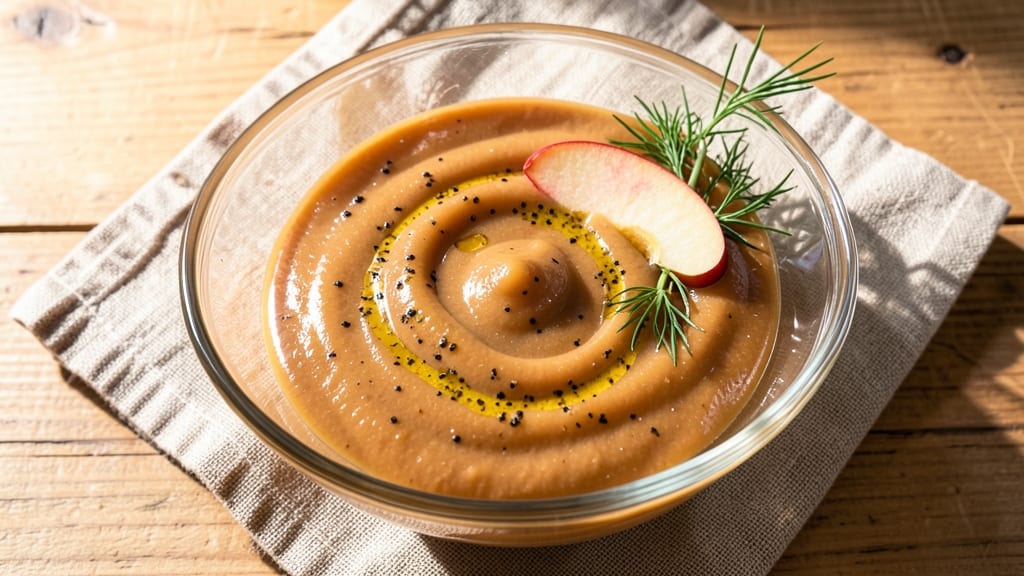
This applesauce salad dressing recipe transforms simple pantry staples into a velvety, sweet-tart dressing that elevates every dish without cooking. The secret lies in balancing unsweetened applesauce with tangy vinegar and rich olive oil, creating a silky texture that clings beautifully to greens, grains, or proteins.
I developed this recipe after craving a dressing that was naturally sweet yet bright enough to stand up to bold flavors—no refined sugar or complicated steps required.
The beauty of this dressing is its versatility and no-cook ease. With just five ingredients—applesauce, apple cider vinegar, Dijon mustard, olive oil, and a pinch of salt—you’ll create a dressing that’s rich enough for hearty salads but light enough for delicate greens.
The Dijon mustard adds depth, while the vinegar cuts through the sweetness, ensuring every bite is perfectly balanced. Best of all, it keeps fresh in the fridge for up to two weeks, making it a pantry essential.
What makes this dressing truly special is how it transforms ordinary meals into something extraordinary. Drizzle it over crisp winter greens with pomegranate seeds, toss it with quinoa and roasted vegetables, or use it as a marinade for grilled chicken.
The applesauce base adds natural sweetness without overpowering, while the tangy vinegar keeps flavors vibrant. It’s the kind of dressing that turns a simple lunch into a standout dish—every time.
For those who love to experiment, you can adjust the sweetness by swapping in unsweetened applesauce or adding a touch of maple syrup, while extra herbs like dill or basil can introduce fresh, aromatic notes.
Whether you’re meal prepping for the week or craving a quick dressing for tonight’s salad, this recipe delivers restaurant-quality results with minimal effort. Let’s get started!
Ingredients for applesauce salad dressing
Five simple ingredients make this velvety dressing that’s sweet, tangy, and ready in minutes.
| Ingredient | Amount | Notes |
|---|---|---|
| Unsweetened Applesauce 🍎 | ½ cup | Smooth texture preferred |
| Apple Cider Vinegar 🍏 | ¼ cup | Raw and unfiltered best |
| Dijon Mustard 🌿 | 1 tbsp | High-quality for depth |
| Extra-Virgin Olive Oil 🫒 | ½ cup | Fruity and peppery |
| Sea Salt 🧂 | ½ tsp | Fine grain preferred |
| Fresh Dill (optional) 🌿 | 1 tbsp | Chopped for freshness |
| Maple Syrup (optional) 🍁 | 1 tsp | For extra sweetness |
The applesauce is the star here. Unsweetened is key—it keeps the dressing light and lets the vinegar shine. I always grab the Mott’s unsweetened from the store, but any smooth, chunk-free brand works. Apple cider vinegar adds that bright tang, so don’t skimp. Bragg or Texas Pete are my go-tos, but any raw vinegar will do. The Dijon mustard? Maille is the gold standard, but even the basic grocery store stuff adds that nice depth. Fresh dill is optional but adds a lovely herbal note—just chop a few sprigs if you’ve got it.
No applesauce? Substitute with mashed avocado for creaminess or a splash of lemon juice to brighten it up. Short on vinegar? Lemon juice works in a pinch, but it’ll taste a little different. Want more sweetness? Maple syrup or agave are great swaps—just start with half the amount and adjust to taste. The olive oil should be extra-virgin—it’s what gives the dressing that rich, velvety texture. If you’re using it for a salad with strong flavors (like arugula or roasted veggies), you can lean on the vinegar a little more for balance.
This dressing keeps like a dream. Store it in a small jar or airtight container in the fridge for up to two weeks. Shake it well before each use—it’ll separate a bit, but that’s totally normal. I like to make a big batch on Sunday so it’s ready for the week. It’s perfect for meal prep because it adds moisture and flavor to dry salads or grains. If you’re using it as a marinade, use it within 3 days for the best results.
Why You'll Love This Recipe
- No Whisk Needed: I swear by this one—just stir, taste, adjust. That sweet-tart balance from the applesauce and vinegar? It happens without emulsifier stress. Honestly, my blender’s seen better days, and this dressing still comes together perfectly.
- Sweet-Tart Magic: The applesauce softens the sharpness of the apple cider vinegar, while the Dijon mustard adds a little bite. Drizzle it over greens, and suddenly your salad tastes like autumn in a jar—no fancy ingredients, just pure flavor.
- Pantry Staple Power: Between us, I’ve used this dressing on everything from lunchbox wraps to roasted veggies. The olive oil keeps it rich, but the applesauce keeps it from feeling heavy. It’s my go-to when I’m too tired to think, and it never lets me down.
- Lasts All Week: Make a big batch—it keeps in the fridge for days without separating (yes, even if you forget to shake it). I’ll be real: I’ve had this dressing sit for five days, and it still tastes fresh. Budget-friendly, zero waste, and always ready when I am.
Step-by-step instructions for applesauce salad dressing
This dressing comes together in minutes with no cooking required.
Whisk Together the Sweet and Tangy Base
In a medium bowl, combine the 0.5 cup unsweetened applesauce and 0.25 cup apple cider vinegar. Use a whisk to blend them thoroughly for about 30 seconds—this ensures the applesauce breaks down slightly and creates a smooth, cohesive base. The vinegar will start to cut through the applesauce's natural sweetness right away, so don't worry if it looks a little cloudy at first.
Here's the thing—this step is all about balance. The applesauce provides that sweet, fruity backbone, while the vinegar adds the tangy kick that makes this dressing work on everything from crisp greens to hearty grains. If you're using the 1 tsp maple syrup, stir it in now to deepen the sweetness. The syrup should dissolve completely into the mixture, giving it a glossy sheen.
Incorporate the Dijon Mustard for Depth
Add the 1 tbsp Dijon mustard to the applesauce-vinegar mixture and whisk vigorously for another 30 seconds until fully combined. The mustard might look like it's just sitting there at first, but it will gradually emulsify with the applesauce, creating a richer, more complex flavor. You're looking for a smooth, slightly thickened consistency—this is what will help the dressing cling to your salad.
Don't skip this step. The Dijon mustard isn't just for flavor; it acts as a natural emulsifier, helping the oil blend smoothly later. If you're worried about the dressing separating, this is your secret weapon. The mustard also adds a subtle earthiness that pairs perfectly with the sweet-tart applesauce.
Gradually Add the Olive Oil for a Silky Texture
With the whisk still in the bowl, very slowly drizzle in the 0.5 cup extra-virgin olive oil while continuing to whisk. This gradual addition is key—it gives the mustard time to work its magic and create a stable emulsion. Start with just a few drops at a time, whisking constantly, until the oil begins to incorporate. Once it starts blending smoothly, you can pour it in a bit faster, but keep whisking until the entire 0.5 cup is added.
You'll know you're on the right track when the dressing thickens slightly and takes on a glossy, almost creamy appearance. If it looks too thick, add 1-2 teaspoons of water and whisk again. The olive oil should be fully incorporated with no visible separation. This is where the magic happens—the oil carries the flavor while keeping the dressing light enough to drizzle.
Season and Adjust to Perfection
Sprinkle in the 0.5 tsp sea salt and whisk for 10-15 seconds to distribute it evenly. If you're using the 1 tbsp fresh dill, chop it finely and fold it in gently with a spoon—this keeps the delicate leaves intact. Taste the dressing now and adjust the seasoning if needed. You might want to add a pinch more salt or a splash of apple cider vinegar if it needs more tang.
Here's the moment that matters: let the dressing sit for 5 minutes before using it. This gives the flavors time to meld and the emulsion to fully stabilize. If it thickens too much after resting, thin it with 1-2 teaspoons of water or a little more apple cider vinegar. The dressing should be smooth, glossy, and ready to elevate any salad—whether it's a crisp green mix, a hearty grain bowl, or even as a dip for veggies.
Pro Tips For Making Applesauce Salad Dressing
- Whisk in Stages: Start by mixing the applesauce, vinegar, mustard, and a pinch of salt—then slowly drizzle in the olive oil while whisking constantly. The dressing thickens as you go, and stopping midway to adjust consistency (or even thin it with a splash of water) keeps it from turning into glue.
- Use Cold Applesauce: Chill the unsweetened applesauce for at least 30 minutes before mixing—it emulsifies better and prevents the dressing from separating later. I learned this the hard way after watching a batch split like oil and water within hours.
- Salt the Mustard: Taste the Dijon mustard before adding it—store-bought versions vary wildly in saltiness. If it’s already punchy, skip the extra salt until the final taste test. This small step saves you from over-salting the whole batch.
- Store It Right: Keep the dressing in a sealed jar with a thin layer of olive oil poured on top—it acts as a barrier and buys you 3–4 days in the fridge without separation. Shake like crazy before using, but don’t expect miracles after a week.
Common mistakes when making perfect results
Over-Mixing the Oil
One of the most common mistakes is rushing the oil incorporation. When you pour the olive oil too quickly without whisking, the dressing can split or turn greasy. Instead, add the 0.5 cup extra-virgin olive oil drop by drop at first, whisking constantly.
This gives the Dijon mustard time to emulsify properly, creating that silky texture. I’ve seen people dump the oil in all at once and end up with a dressing that looks like vinaigrette gone wrong—thin and separated. 💫
Skipping the Resting Time
Another big no-no is using the dressing immediately after mixing. The flavors need 5 minutes to meld, and the emulsion needs time to stabilize. If you drizzle it too soon, you’ll notice separation or a clumpy texture.
I’ve made this mistake when I’m in a rush—trust me, it’s worth the wait. Let it sit, then taste and adjust if needed before serving.
Using Sweetened Applesauce
Sweetened applesauce will make your dressing taste like dessert, not dressing. The added sugar can overpower the tangy vinegar and mustard, throwing off the balance. Stick with unsweetened applesauce—brands like Mott’s or Starkist work perfectly.
If you’re craving more sweetness, add 1 tsp maple syrup instead of sweetened applesauce. It’s a game-changer for flavor control.
Ignoring the Mustard’s Role
The Dijon mustard isn’t just for flavor—it’s the secret to a stable emulsion. If you skip it or use a mild mustard, your dressing might separate or taste flat. Always use high-quality Dijon, like Maille or Bonne Maman.
The mustard’s acidity and texture help bind the oil and applesauce, giving your dressing that creamy, clingy quality. Don’t cut corners here!
Not Adjusting Seasoning
Tasting and adjusting is non-negotiable. After mixing, always take a moment to taste and tweak the balance. Need more tang? Add a splash of apple cider vinegar. Too sweet? A pinch of sea salt or a drop of lemon juice can reset the flavors.
I’ve ruined a batch by skipping this step—don’t make the same mistake. The dressing should taste vibrant, not bland or one-note.
Storing Improperly
If you don’t store the dressing correctly, it’ll separate or grow mold. Always transfer it to an airtight container and refrigerate within 2 hours of making it. Shake well before each use—it’s normal for the oil to rise to the top, but a quick shake brings everything back together.
I like to use small jars so I can shake them right before drizzling. Pro tip: Label it with the date to track freshness.
Nutrition facts
Frequently asked questions
Can I make this dressing without applesauce?
Yes! For a similar texture, try mashed avocado (use 0.5 cup) or pureed pumpkin (also 0.5 cup). Both work well with the same ratio of vinegar and oil. If you want a lighter option, blend 1 cup cucumber with 1 tbsp lemon juice for a refreshing twist. The key is maintaining that sweet-tart balance.
How does this dressing compare to traditional vinaigrettes?
Unlike classic vinaigrettes, this version is naturally sweet and creamy thanks to the applesauce base. It’s perfect for salads with bold flavors (like roasted veggies or grilled meats) because the sweetness balances acidity. For a lighter texture, reduce the oil to 0.375 cup, or add 1 tbsp water for a thinner consistency. It’s also more stable than some vinaigrettes because of the Dijon mustard.
Can I use this dressing for cooked dishes like grains or proteins?
This dressing works beautifully as a marinade for chicken or tofu (use within 3 days for best results). Toss it with quinoa, couscous, or roasted potatoes for extra moisture and flavor. For grains, use about 1-2 tablespoons per 1 cup of cooked grain. The applesauce adds natural sweetness that caramelizes nicely when roasted.
Why did my dressing separate after storing?
Separation is normal—it’s just the oil rising to the top. Before using, shake the jar vigorously for 10-15 seconds until fully combined. To prevent future separation, store in a small, narrow jar (like a mason jar) and refrigerate immediately. If it still separates, whisk vigorously before each use. The dressing will re-emulsify completely.
What are the best herbs to add for flavor variations?
Fresh dill (as in the recipe) adds brightness, but you can also try basil, tarragon, or cilantro for different profiles. For a savory twist, add 1 tsp dried thyme or ½ tsp smoked paprika. For something bolder, stir in 1 tsp soy sauce or ½ tsp miso paste (great for Asian-inspired salads). Always chop fresh herbs finely to avoid texture issues.