
Salads
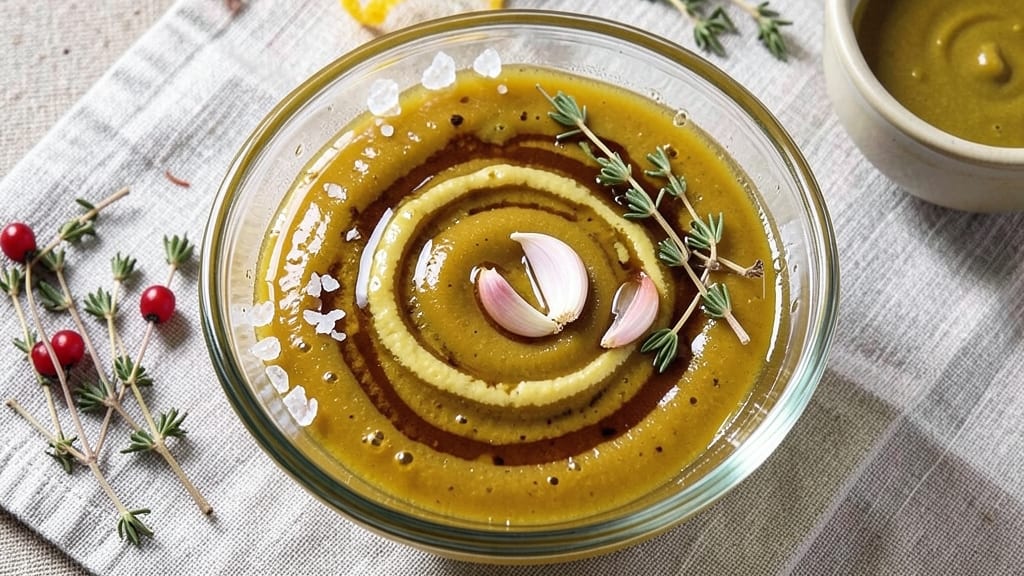
This apple cider vinegar and olive oil salad dressing recipe transforms simple pantry staples into a bright, tangy dressing that elevates any salad or dish.
The perfect balance of sharp vinegar and rich olive oil creates a versatile base that works with fresh herbs, spices, or a touch of sweetness—all in just 5 minutes. It’s the kind of dressing that turns a basic bowl of greens into something restaurant-worthy, without the fuss.
The magic lies in the ratio: equal parts apple cider vinegar and extra-virgin olive oil, whisked together until perfectly emulsified. This simple combination delivers a clean, tangy flavor that pairs beautifully with crisp vegetables, hearty grains, or grilled proteins.
For extra depth, I recommend adding a pinch of Dijon mustard or a sprinkle of dried herbs like thyme or oregano—just enough to enhance without overpowering.
What makes this dressing truly special is its versatility. Use it as a quick marinade for chicken or fish, drizzle it over roasted vegetables, or toss it with fresh greens for an instant flavor boost.
The dressing keeps well in the refrigerator for up to 2 weeks, making it a go-to for meal prep. It’s also naturally vegan, gluten-free, and requires just 5 ingredients—no complicated techniques needed.
Once you try this dressing, you’ll never reach for store-bought again. The bright tang of apple cider vinegar cuts through rich flavors, while the olive oil adds a silky richness that makes every bite satisfying.
Whether you’re prepping for the week or whipping up a last-minute salad, this dressing delivers restaurant-quality flavor with minimal effort.
Ingredients for apple cider vinegar and olive oil salad dressing
Five ingredients transform into a bright, tangy dressing that elevates salads and dishes instantly.
| Ingredient | Amount | Notes |
|---|---|---|
| Apple Cider Vinegar 🍎 | ½ cup | Raw, unfiltered preferred |
| Extra-Virgin Olive Oil 🫒 | ½ cup | Fruity, peppery variety |
| Dijon Mustard 🌶️ | 1 tbsp | Mild or strong to taste |
| Dried Thyme Leaves 🌿 | 1 tsp | Or fresh thyme at 3x amount |
| Sea Salt 🧂 | ½ tsp | Fine grain preferred |
| Fresh Garlic Cloves 🧄 | 1 whole | Minced for depth of flavor |
| Maple Syrup 🍁 | ½ tbsp | Optional for subtle sweetness |
The apple cider vinegar should be the raw, unfiltered kind—it's got that extra depth of flavor that store-bought can't match. Bragg is my go-to brand, but any organic label works. For the olive oil, look for extra-virgin with a harvest date—older oils lose their peppery kick. Fresh garlic is non-negotiable here; pre-minced garlic has too much filler and dulls the flavor. If you're using dried thyme, make sure it's culinary grade, not the kind that smells like mothballs. The Dijon mustard adds that perfect emulsifier—Maille is the gold standard, but any good-quality brand will work.
No Dijon mustard? Yellow mustard at half the amount works in a pinch, though it lacks the depth. Fresh thyme is ideal, but if you only have dried, use one-third the amount—it's more concentrated. Want to skip the sweetness? Omit the maple syrup entirely, but the dressing will be more acidic. For a herb-forward variation, swap thyme for dried oregano or basil. The garlic can be roasted for a sweeter profile if you prefer—just roast whole cloves at 400°F for 10 minutes before mincing. And if you're making this for a crowd, double the recipe—it keeps beautifully for up to 2 weeks.
This dressing emulsifies instantly, so no fancy techniques needed. Store it in a clean glass jar with a tight seal—the vinegar helps preserve it naturally. Shake well before each use, especially if it's been sitting for a few days. It keeps for 2 weeks in the fridge, but the flavor actually improves over time as everything melds together. For meal prep, I like to portion it into small jars so I can grab one for salads on busy mornings. And if you make extra, freeze half—it thaws perfectly and is great for quick marinades.
Why You'll Love This Recipe
- Five-Ingredient Magic: I swear by this combo—just vinegar, oil, mustard, thyme, and salt. That’s it. No measuring cups, no fuss, just shake and pour. Honestly, the first time I made it, I thought I’d messed up because it was too simple, but then I tasted it? Chef’s kiss.
- Tangy Yet Balanced: The apple cider vinegar cuts through greasy salads like a knife, but the Dijon mustard smooths it out—no harsh bite, just bright, complex flavor. Between us, the dried thyme adds this earthy warmth that makes it taste like you spent hours in the kitchen. (Spoiler: you didn’t.)
- Weeknight Workhorse: This dressing is my go-to for everything—tossed with roasted veggies, drizzled over grilled chicken, even as a marinade. I’ve used it for lunchboxes, dinner leftovers, and even as a dip for crusty bread when I’m too tired to cook. (Yes, even on a Tuesday night.)
- Lasts a Week: I make a big batch on Sundays, and it’s still vibrant by Saturday. The olive oil doesn’t separate, the vinegar keeps its punch, and I’m not stuck buying dressings with weird preservatives. Plus, it costs pennies compared to store-bought—just a splash of vinegar and a glug of oil changes everything.
Step-by-step instructions for apple cider vinegar and olive oil salad dressing
This dressing comes together in minutes with bright acidity and herbal depth.
Whisk Together the Vinegar and Mustard
In a medium bowl, combine the 0.5 cup apple cider vinegar and 1 tablespoon Dijon mustard. Use a whisk to blend them thoroughly for 30 seconds until completely smooth. The vinegar's sharp tang will mellow slightly as it incorporates with the mustard's creamy texture. This step ensures the dressing emulsifies properly later—no clumping or separation down the line.
I like to press the mustard through a fine-mesh sieve if it has any lumps, then give it a quick whisk to break up any stubborn bits. The goal is a silky base that won't interfere with the final texture. Taste at this stage—the vinegar should dominate, but the mustard adds subtle complexity that balances the acidity.
Add Olive Oil and Salt Gradually
With the whisk still in hand, slowly drizzle in the 0.5 cup extra-virgin olive oil while whisking continuously. Start with a slow stream to prevent the oil from breaking the emulsion. You'll notice the mixture thicken slightly as the oil incorporates—this is the magic of emulsification happening right before your eyes.
Once the oil is fully combined, add the 0.5 teaspoon sea salt and whisk for another 15 seconds. The salt enhances all flavors and helps stabilize the dressing. If you're using raw, unfiltered apple cider vinegar, you might need to adjust the salt slightly—it's already more mineral-rich than filtered versions. Taste again; the acidity should now be bright but balanced by the oil's richness.
Incorporate Garlic, Thyme, and Maple Syrup
Finely mince the 1 whole fresh garlic clove (about 1 teaspoon minced) and add it to the bowl. Stir well to distribute the garlic evenly. Next, sprinkle in the 1 teaspoon dried thyme leaves and the 0.5 tablespoon maple syrup. The thyme adds an earthy herbal note, while the maple syrup softens the acidity just enough to make the dressing approachable.
Give everything a final whisk to ensure the garlic and thyme are fully dispersed. The maple syrup will dissolve quickly, but if you're using a thick variety, a quick pulse with an immersion blender ensures a silky finish. The dressing should now have a vibrant golden hue with flecks of garlic and thyme suspended throughout.
Taste and Adjust for Perfect Balance
Taste the dressing straight from the spoon—this is where you fine-tune the flavors. If it's too sharp, add a pinch more maple syrup or a splash of water. If it's too mild, increase the apple cider vinegar by 1 teaspoon or the sea salt by a pinch. The dressing should coat the back of your spoon with a glossy sheen while still feeling light and tangy.
Let the dressing rest for 5 minutes before using. This allows the flavors to meld completely, and any slight separation will re-emulsify when you shake it before drizzling. Store any leftovers in an airtight jar in the refrigerator for up to 2 weeks, shaking well before each use. The acidity will mellow slightly over time, but the dressing remains vibrant and full of character.
Pro Tips For Making Apple Cider Vinegar And Olive Oil Salad Dressing
- Whisk in stages: Start by mixing the apple cider vinegar and Dijon mustard first—this emulsifies the mustard’s oils before adding the olive oil. Drizzle in the oil slowly while whisking vigorously; if you pour too fast, you’ll end up with a greasy mess instead of a silky dressing.
- Toast the thyme: Crush the dried thyme leaves between your palms or a mortar and pestle before adding them. A quick 30-second dry toast in a hot pan (no oil needed) deepens their flavor—it’s subtle, but it makes the dressing taste like it simmered for hours.
- Salt the vinegar: Dissolve the sea salt directly into the apple cider vinegar before combining with other ingredients. This ensures even distribution and prevents clumpy salt at the bottom of your jar—trust me, you’ll notice the difference when you taste it.
- Store oil-separate: If your dressing splits after a day (it will), just shake it like crazy for 20 seconds. The olive oil’s natural separation isn’t a failure—it’s a sign of high quality. Keep it in a sealed jar and shake before each use; no need to remake it.
Common mistakes when making great apple cider vinegar and olive oil salad dressing
Overwhisking the Dressing
I’ve seen people whisk this dressing aggressively for more than 2 minutes, thinking it’ll make it thicker. But too much whisking can actually break the emulsion, causing the oil and vinegar to separate.
The magic happens in 30-45 seconds of gentle whisking—just enough to blend without creating bubbles or weakening the bond between oil and vinegar. If separation happens, a quick shake before using usually fixes it. 💫
Using Low-Quality Olive Oil
Not all olive oils are created equal! Using a cheap, refined olive oil (like the kind labeled "light" or "pure") will make your dressing taste flat and dull. Stick with extra-virgin olive oil—look for brands like California Olive Ranch or Colavita that highlight their harvest dates.
The peppery, fruity notes in high-quality EVOO elevate the dressing from good to amazing.
Skipping the Mustard
Dijon mustard isn’t just an ingredient—it’s the secret emulsifier that keeps this dressing from separating. Without it, the oil and vinegar will split within hours. If you’re out of Dijon, yellow mustard in half the amount works in a pinch, but the flavor won’t be as refined.
Pro tip: If your mustard has lumps, press it through a fine-mesh sieve before whisking for a silky texture. 🌶️
Adding Ingredients Out of Order
The order matters! Always whisk the vinegar and mustard first, then slowly add the oil while whisking. Adding oil too quickly or mixing it with dry ingredients first can cause clumping.
I’ve ruined a batch by tossing in the garlic and thyme before the oil was fully incorporated—resulting in a grainy, uneven texture. Follow the steps in order for a smooth, cohesive dressing every time.
Using Metallic Utensils
Metal spoons or bowls can react with the acidity in apple cider vinegar, altering the flavor over time. Stick to glass, ceramic, or food-grade plastic for mixing and storing. If you’re in a pinch, a stainless-steel whisk is fine, but avoid leaving the dressing in metal containers for long periods.
The flavor won’t be ruined instantly, but you’ll notice a slight metallic tang after a few days. 🧂
Ignoring the Resting Time
Rushing to use the dressing immediately after mixing can leave flavors unbalanced. Let it sit for 5 minutes—this allows the acidity to mellow slightly and the herbs to infuse properly.
I’ve tasted dressings right after mixing only to find them harsh and one-dimensional. Patience here makes all the difference, and it’s a habit that’ll improve your cooking across the board.
Nutrition facts
Frequently asked questions
Can I make this dressing without Dijon mustard?
Yes, but expect a slightly different texture. Use 1 tablespoon yellow mustard instead, though it lacks Dijon's depth. For a mustard-free version, add 1 teaspoon honey or maple syrup to help emulsify the oil and vinegar. The dressing will still work but may separate faster.
How do I adjust the flavor if it's too tangy?
Add 1 teaspoon maple syrup or honey to mellow the acidity. For a more balanced taste, try a splash of water (1 teaspoon) to dilute slightly. Always taste as you go—you can adjust gradually until it's just right. The dressing should coat your spoon with a glossy sheen.
Can I use this dressing as a marinade?
This dressing works perfectly as a marinade for chicken, fish, or tofu. Let it sit with your protein for 15-30 minutes (no longer for delicate fish). The acidity tenderizes while the olive oil adds richness. For extra flavor, add 1 teaspoon smoked paprika or 1 minced shallot to the marinade.
Why did my dressing separate after a few days?
Separation happens when the emulsion breaks, usually from overwhisking or using low-quality oil. Give it a good shake before using—most dressings re-emulsify easily. To prevent future separation, whisk the vinegar and mustard first, then slowly add oil while whisking continuously. Store in a clean, airtight jar for best results.
What herbs can I substitute for thyme?
Try dried oregano (1 teaspoon), basil (1 teaspoon), or rosemary (½ teaspoon) for a different herbal profile. Fresh herbs work too—use 3x the amount of dried (e.g., 3 teaspoons fresh basil). For a citrus twist, add ½ teaspoon grated lemon zest along with your herbs.