
Salads
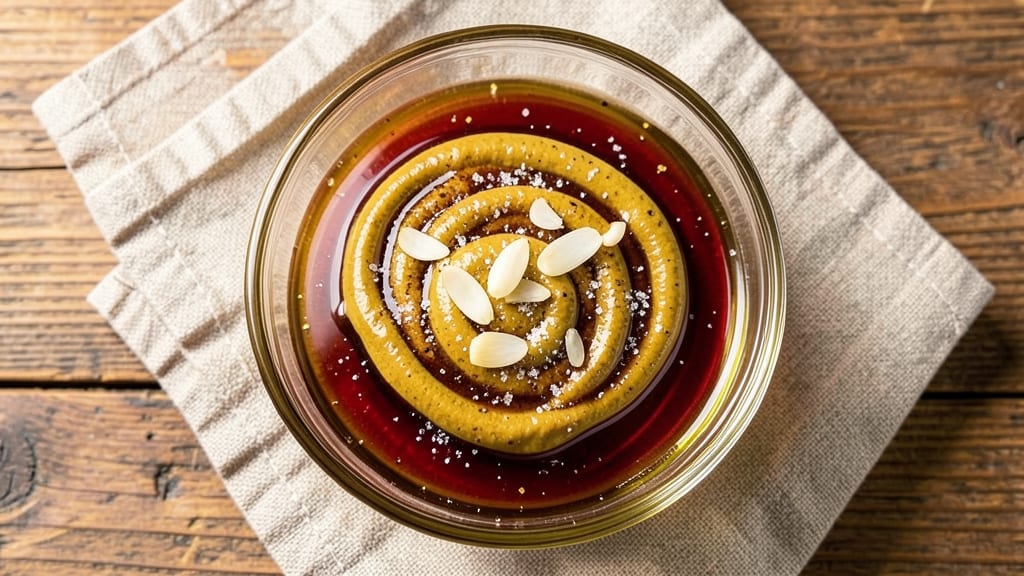
This American salad dressing recipe transforms simple ingredients into bold, creamy, and tangy flavors that elevate every salad—no guilt, just satisfaction. 💛 The secret lies in balancing oil, acid, and emulsifiers like mustard or egg yolk to create a dressing that clings beautifully without separating.
Whether you crave classic ranch, zesty Caesar, or a bright vinaigrette, this method delivers restaurant-quality results in minutes.
What sets this recipe apart is its versatility and foolproof technique. No special equipment is needed—just a whisk, a jar, or a blender to combine the ingredients until smooth. The key to a perfect emulsion?
Gradually incorporating oil while whisking vigorously, ensuring each drop blends seamlessly. For added richness, a touch of mayo or Greek yogurt works wonders, while herbs and spices customize the flavor to your taste.
By the time you’re done, you’ll have a dressing that’s creamy yet light, tangy yet balanced, and packed with flavor—ready to transform a simple bowl of greens into a gourmet meal. The best part?
It keeps for up to a week in the fridge, so you can make a batch and enjoy it all week long. No more store-bought bottles with mysterious ingredients or weak flavors.
Use it on salads, drizzle it over grilled chicken, or even toss it with roasted vegetables for a flavor boost. The possibilities are endless, and the results are always delicious. Let’s get started!
Ingredients for american salad dressing
Ten simple ingredients create restaurant-quality dressing that clings beautifully and tastes like homemade.
| Ingredient | Amount | Notes |
|---|---|---|
| Extra-Virgin Olive Oil 🫒 | ¾ cup | High-quality, fruity flavor preferred |
| Red Wine Vinegar 🍷 | ⅓ cup | Dry, bold variety for tanginess |
| Dijon Mustard 🍯 | 1 tbsp | For emulsification and depth |
| Granulated Sugar 🍚 | 1 tbsp | Balances acidity and sweetness |
| Dry Mayonnaise 🥫 | ¼ cup | For creaminess and stability |
| Fresh Garlic Cloves 🧄 | 2 cloves | Minced for aromatic depth |
| Diamond Crystal Kosher Salt 🧂 | ½ tsp | Adjust to taste for seasoning |
| Freshly Ground Black Pepper 🌶️ | ¼ tsp | Freshly cracked for brightness |
| Dried Dill 🌿 | 1 tsp | Or 1 tbsp fresh finely chopped |
| Greek Yogurt 🥛 | ¼ cup | Full-fat for optimal creaminess |
The olive oil and vinegar form the dressing's foundation—California Avocado oil or Spanish extra-virgin adds a subtle richness, while red wine vinegar ensures tangy depth. For the mustard, Maille Dijon is ideal, but any high-quality brand works. The garlic cloves should be fresh—peeled and minced just before mixing to preserve their vibrant flavor. Whole Foods Market or specialty grocers often carry premium olive oils, but even mid-range brands from Trader Joe's deliver excellent results here. The Greek yogurt is non-negotiable for creaminess—Fage full-fat is my go-to, but any thick, plain yogurt suffices.
No Dijon mustard? Whole-grain mustard thinned with a splash of vinegar works in a pinch. Substituting vinegar? Apple cider vinegar or lemon juice both work, though flavor profiles shift slightly. The dried dill can be swapped for fresh dill or tarragon if preferred, but adjust the quantity—use one-third the amount of fresh herbs. For a lighter dressing, reduce the Greek yogurt to 2 tablespoons and add 1 tablespoon of water to maintain consistency. The sugar can be omitted entirely for a tangier profile, but it helps balance the acidity in dressings with higher vinegar content.
This dressing keeps beautifully in an airtight jar in the fridge for up to 7 days. To prevent separation, give it a vigorous shake before each use. For best texture, avoid adding extra liquid after emulsification—gradually incorporate oil while whisking is key. If the dressing thickens over time, thin it with 1 teaspoon of water or vinegar as needed. For longer storage, freeze in ice cube trays and thaw as required—perfect for single-use portions.
Why You'll Love This Recipe
- Five-Ingredient Magic: I swear, this dressing comes together with just a whisk and a bowl—no fancy gadgets, no stress. The Dijon mustard and red wine vinegar do all the heavy lifting while I measure everything in one go.
- Tangy-Sweet Balance: That little pinch of sugar? It’s the secret—cuts through the sharpness of the vinegar and lets the olive oil shine. Honestly, it’s the kind of dressing that makes you actually look forward to salads.
- Meal Prep MVP: I make a big batch on Sundays and keep it in the fridge for the week. Works on greens, chicken, even as a sandwich spread—no one’s turning it down.
- Budget-Friendly Luxury: Extra-virgin olive oil feels fancy, but a little goes a long way here. The mayo and sugar stretch it further, so you’re getting restaurant-quality flavor without the price tag.
Step-by-step instructions for American salad dressing
This classic dressing comes together with precision and balance—simple steps for bold flavor.
👨🍳 Step 1: Whisk Together Wet Ingredients
In a medium bowl, combine the 0.75 cup extra-virgin olive oil, 0.33 cup red wine vinegar, 1 tbsp Dijon mustard, and 1 tbsp granulated sugar. I use a whisk for this step—it creates a smooth emulsion from the start. The sugar and mustard help balance the acidity while the olive oil provides that rich, fruity base.
Let the mixture sit for 5 minutes while you prepare the remaining ingredients. This brief resting period allows the flavors to begin melding, which is especially important when working with high-quality olive oil. You'll notice the vinegar starts to slightly break down the oil's surface tension, creating the foundation for a stable emulsion later.
🍳 Step 2: Add Garlic and Seasonings
Mince the 2 cloves fresh garlic finely—you want tiny pieces that will disperse evenly. Add them to the bowl along with the 0.5 tsp Diamond Crystal kosher salt and 0.25 tsp freshly ground black pepper. Whisk vigorously for 30 seconds to distribute the garlic evenly and incorporate the seasonings completely.
Here's where the flavor really starts to develop. The garlic should be fully incorporated but not pulverized—you'll still see tiny specks throughout the dressing. If you're using fresh dill instead of dried, now's the time to add 1 tbsp finely chopped fresh dill (or the 1 tsp dried dill from the list). The fresh dill adds a bright, herbal note that complements the richness of the olive oil.
🥘 Step 3: Incorporate Thickening Agents
Add the 0.25 cup dry mayonnaise and 0.25 cup Greek yogurt to the bowl. These ingredients are your secret weapons—the mayonnaise provides stability and creaminess, while the yogurt adds tang and helps create that signature American dressing texture. Whisk everything together until completely smooth and homogeneous.
This is where the dressing starts to take on its characteristic velvety consistency. The mayonnaise acts as an emulsifier, binding the oil and vinegar together. If you're concerned about the dressing separating later, don't worry—the yogurt's natural acids help maintain stability. Whisk for at least 1 minute to ensure no lumps remain, especially from the yogurt.
⏰ Step 4: Taste and Adjust
Taste the dressing immediately—this is crucial. At this stage, it should be tangy from the vinegar and sweet from the sugar, with a rich olive oil finish. If it needs more acidity, add 1-2 teaspoons red wine vinegar; if it needs more sweetness, add ½ teaspoon sugar. For salt, add in ¼ teaspoon increments—it's easier to correct than overdo it.
I always taste before adding any finishing touches. The dressing should coat your spoon with a silky texture, not be too thin or too thick. If it's too thick, whisk in 1-2 teaspoons water until it reaches your desired consistency. The perfect dressing should cling to greens and vegetables without being overly heavy, allowing the natural flavors of your salad to shine through.
🥄 Step 5: Rest and Serve
Transfer the dressing to a clean jar with a tight-sealing lid. Let it rest at room temperature for at least 30 minutes before using. This resting period allows the flavors to fully meld and the emulsion to stabilize. The dressing will taste even more cohesive and balanced after this time.
When ready to serve, give it one final stir before drizzling over your favorite salad. This dressing works beautifully with crisp lettuces, hearty kale, or even as a marinade for grilled vegetables. Store any leftovers in the refrigerator for up to 1 week, giving it a gentle shake before each use to re-emulsify if needed. The yogurt helps prevent separation, but a quick shake ensures it's always ready to use.
Pro Tips For Making American Salad Dressing
- WHISK IN STAGES: Start with the mustard and sugar first—whisk them into the vinegar until fully dissolved. Adding oil to a dry mustard-sugar mix just makes a greasy mess that won’t emulsify properly.
- USE COLD OIL: Measure your olive oil straight from the fridge—cold oil blends smoother and doesn’t thin out the dressing prematurely. Warm oil? You’ll end up with a soupy, separated disaster.
- SALT THE MAYONNAISE: The dry mayo is unsalted, and it’s the base of your dressing. Sprinkle in ¼ teaspoon of salt while mixing it in—trust me, the flavor difference is noticeable, and you won’t need to adjust later.
- EMULSIFY FAST: After combining everything, give it a quick blast in the blender for 10 seconds if it looks streaky. Hand-whisking works, but the blender guarantees a silky texture without extra elbow grease.
Troubleshooting this dish
Separation Solutions
If your dressing separates after mixing, don’t panic—this is common with homemade emulsions. The fix is simple: whisk vigorously for 1-2 minutes to re-emulsify the oil and vinegar. For stubborn separation, add 1 teaspoon of Dijon mustard or 1 tablespoon of Greek yogurt and whisk again.
The key is to gradually incorporate oil while whisking next time to prevent this issue. 🥄
Thickness Adjustments
Too thick? Thin with 1 teaspoon of water or vinegar at a time until it reaches a pourable consistency. If it’s too thin, whisk in 1 teaspoon of mayonnaise or Greek yogurt to restore body.
The ideal texture should coat the back of a spoon without dripping. For extra stability, chill the dressing for 30 minutes before serving—cold temperatures help thicken natural emulsions.
Flavor Imbalance Fixes
Need more tang? Add ½ teaspoon of vinegar or a splash of lemon juice. Too sweet? Reduce sugar by ½ teaspoon or add ¼ teaspoon of salt to balance.
For a richer flavor, stir in 1 teaspoon of extra olive oil or 1 tablespoon of minced shallot. Always taste as you go—small adjustments make all the difference. 💡
Herb Freshness Tips
If dried herbs taste bland, toast them lightly in a dry pan for 30 seconds before adding to the dressing. For fresh herbs, chop them finely and add them last—this prevents them from sinking to the bottom.
Store fresh herbs in the fridge for up to 3 days in a sealed container with a paper towel to absorb moisture. Overly wilted herbs can make your dressing taste bitter.
Storage Longevity
To maximize shelf life, use an airtight glass jar and store in the fridge for up to 7 days. If the dressing thickens over time, shake gently before using or thin with 1 teaspoon of water.
For longer storage, freeze in ice cube trays—thaw in the fridge overnight and whisk to re-emulsify. Avoid metal spoons when storing, as they can react with acidic ingredients over time. ❄️
Equipment Workarounds
No whisk? Use a hand mixer or immersion blender for a smoother texture. No blender? A fork works in a pinch, though you’ll need to whisk more vigorously. For stubborn lumps, strain the dressing through a fine-mesh sieve before serving.
If you’re making a large batch, double the recipe and store in two separate jars to avoid overfilling and spills. 🔥
Nutrition facts
Frequently asked questions
Can I make this dressing without mayo or Greek yogurt?
Yes! For a lighter version, replace the mayo with 2 tablespoons of water and reduce the Greek yogurt to 2 tablespoons. The dressing will be thinner but still flavorful. For extra tang, add 1 extra teaspoon of vinegar. The key is maintaining balance—whisk vigorously to create an emulsion without the thickeners.
How do I adjust this recipe for a creamy vs. tangy dressing?
For a creamier dressing, increase the Greek yogurt to 0.33 cup and reduce vinegar by 1 teaspoon. For a tangier dressing, add 1-2 extra teaspoons of vinegar and reduce sugar by ½ teaspoon. Always taste as you go—small adjustments make a big difference in flavor balance.
Why did my dressing separate? How can I fix it?
Separation happens when oil and vinegar aren’t properly emulsified. Fix it by whisking vigorously for 1-2 minutes to re-combine. For stubborn separation, add 1 teaspoon of Dijon mustard or 1 tablespoon of Greek yogurt and whisk again. Next time, add oil very slowly while whisking continuously.
Can I use this dressing on non-salad dishes?
This versatile dressing works beautifully on grilled chicken, roasted vegetables, or even as a dip for crudité. For grilled meats, reduce the vinegar slightly to avoid overpowering the flavor. The creamy texture also makes it great for potato salads or as a marinade.
What’s the best way to store leftovers?
Transfer to an airtight glass jar and store in the fridge for up to 7 days. Before using, give it a gentle shake to re-emulsify. For longer storage, freeze in ice cube trays—thaw overnight in the fridge and whisk to restore consistency. Avoid metal spoons to prevent flavor reactions.